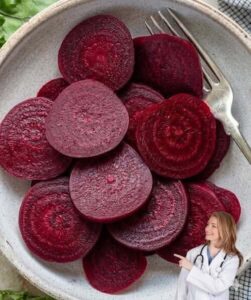
Beets have earned a reputation as a nutritional powerhouse, and unlike many trendy “superfoods,” their benefits are backed by solid science. These vibrant root vegetables do far more than add color to your plate—they actively influence how your body functions at multiple levels, from circulation to cellular health. While the effects aren’t instant, consistent consumption can lead to noticeable improvements over time.
One of the most important reasons beets are so beneficial lies in their high content of natural nitrates. When you eat beets, your body converts these nitrates into nitric oxide, a compound that plays a key role in vascular health through a process known as Vasodilation. This process relaxes and widens your blood vessels, allowing blood to flow more easily throughout your body.
As a result, blood pressure often decreases, and circulation improves. Better circulation means your organs and tissues receive more oxygen and nutrients, which supports overall function. For many people, this can translate into subtle but meaningful benefits, such as improved stamina, reduced fatigue, and even better mental clarity.
Athletes, in particular, may notice enhanced performance. Because muscles receive oxygen more efficiently, endurance during high-intensity exercise can improve. Research has shown that beetroot consumption—especially in juice form—can significantly increase exercise efficiency, allowing people to perform longer with less perceived effort.
But the benefits aren’t limited to physical performance. Improved blood flow also affects the brain. When circulation to the brain is enhanced, it can support cognitive processes such as focus, memory, and decision-making. Over time, this may contribute to better mental sharpness, especially when combined with a generally healthy lifestyle.
Beyond circulation, beets are also valuable for digestive health. They are rich in dietary fiber, which plays a crucial role in maintaining a healthy gut. Fiber feeds beneficial gut bacteria, helping to create a balanced microbiome. This not only improves digestion but also supports immune function and metabolic health.
Another advantage of fiber is its ability to slow the absorption of sugar into the bloodstream. This helps prevent sharp spikes and crashes in blood glucose levels, leading to more stable energy throughout the day. Instead of experiencing sudden bursts of energy followed by fatigue, your body maintains a steadier rhythm.
Beets also contain unique plant compounds called betalains, which are responsible for their deep red color. These compounds act as antioxidants, helping to reduce oxidative stress in the body. Oxidative stress occurs when there’s an imbalance between free radicals and antioxidants, and over time, it can contribute to aging and various chronic conditions.
By neutralizing these harmful molecules, betalains help protect cells from damage. They also support liver function, which is essential for detoxification. While the term “detox” is often overused, your liver genuinely plays a critical role in filtering and processing substances in your body, and nutrients that support this function are valuable.
In addition to these compounds, beets provide a range of essential vitamins and minerals. They are particularly rich in folate, a B-vitamin important for DNA synthesis and cell growth. This makes beets especially beneficial during periods of rapid development, such as pregnancy, but also important for general cellular maintenance.
They also contain manganese, which contributes to bone health and metabolic processes, and potassium, a key mineral for heart function, nerve signaling, and fluid balance. Together, these nutrients support multiple systems in the body, reinforcing the idea that beets offer more than just one isolated benefit.
However, like any food, beets are not without considerations. They are relatively high in oxalates, compounds that can contribute to the formation of Kidney stones in susceptible individuals. People who have a history of kidney stones may need to moderate their intake or consult a healthcare professional.
Another interesting—and sometimes surprising—effect of eating beets is a condition called Beeturia. This occurs in about 10% to 14% of people and causes urine or stool to appear reddish or pink. While it can be alarming if unexpected, it is completely harmless and simply reflects how your body processes the pigments in beets.
Despite their many benefits, overall vegetable consumption remains lower than recommended in many populations. Incorporating beets into your diet can be a simple and effective way to increase your intake of nutrient-dense foods. Their versatility makes this easier than you might expect.
Beets can be roasted for a naturally sweet, earthy flavor, blended into smoothies for a nutrient boost, or grated raw into salads for added texture and color. Beetroot juice is also a popular option, particularly for those interested in its performance-enhancing effects.
The key to experiencing their benefits is consistency. Eating beets occasionally is helpful, but incorporating them regularly into a balanced diet is what leads to long-term improvements. Like most nutritional strategies, the effects build gradually, supporting your body over time rather than producing immediate dramatic changes.
It’s also worth noting that beets work best as part of an overall healthy lifestyle. Their benefits are amplified when combined with other nutrient-rich foods, regular physical activity, adequate hydration, and good sleep habits.
In a broader sense, beets are a great example of how natural foods can support complex biological systems. From improving blood flow and supporting brain function to aiding digestion and protecting cells, they offer a wide range of advantages in a single, simple ingredient.
What makes them particularly valuable is that these benefits are interconnected. Better circulation supports organ function, improved digestion enhances nutrient absorption, and reduced oxidative stress helps maintain long-term health. It’s not just one effect—it’s a network of positive influences working together.
Ultimately, adding beets to your diet isn’t about chasing a quick fix. It’s about making a small, sustainable choice that supports your body in multiple ways. Over time, these choices add up, contributing to better health, improved energy, and a stronger foundation for overall well-being.
So the next time you see beets at the store or on your plate, you’ll know there’s much more going on beneath that deep red color. With consistent use, they can quietly support your heart, brain, and body—proving that sometimes the simplest foods deliver the most powerful results.