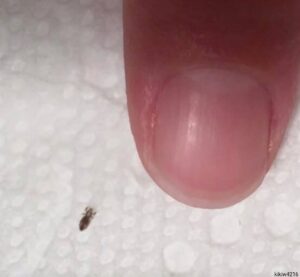
Finding a small insect in a toddler’s hair after daycare is unsettling for any parent. The immediate concern is usually head lice, since they are common in group childcare settings where close contact happens during play and rest. But not every tiny bug found in hair is actually lice, and identifying it correctly matters before taking any action.
First Reaction: Why Parents Immediately Think “Head Lice”
Head lice are often the first suspicion because they:
- Spread easily among young children in daycare and preschool
- Move through direct head-to-head contact
- Are common in group settings with shared playtime and nap areas
According to public health guidance, millions of lice cases occur each year among school-age and preschool children. So the concern is understandable.
However, lice are only one of several possibilities when a small insect is discovered in hair.
What Head Lice Actually Look Like
To determine whether the bug is lice, it helps to understand what you’re looking for:
Adult head lice
- Very small (about sesame seed size)
- Tan, grayish-white, or reddish-brown
- Flat, oval-shaped body
- Six legs with claw-like ends for gripping hair
- Do not jump or fly—only crawl
Lice eggs (nits)
- Tiny white or yellowish specks
- Firmly attached to hair shafts near the scalp
- Do not brush off easily like dandruff
Common symptoms of lice infestation
- Persistent scalp itching
- Frequent head scratching
- Visible nits near the scalp line
- Small red bumps from scratching
If none of these signs are present, lice become less likely.
Other Common Insects That Get Mistaken for Lice
Many harmless insects can end up in hair, especially after daycare or outdoor play.
1. Carpet beetles (larvae or adults)
- Small, dark, and segmented
- Often found indoors on carpets or furniture
- Do not live on humans
2. Fleas
- Dark, tiny, and fast-moving
- Can jump long distances
- More commonly associated with pets
3. Outdoor debris insects
- Small beetles or ants that accidentally land on hair
- Do not survive on the human scalp
4. Environmental particles
- Sometimes mistaken for bugs (lint, seed husks, dirt)
A single isolated insect with no other symptoms is often environmental rather than parasitic.
Why Daycare Increases Exposure (But Not Always Infestation)
Daycare environments naturally increase contact between children, which can raise exposure to lice—but also to harmless insects.
Children:
- Play closely together
- Share toys and space
- Sometimes rest or sit head-to-head
- Spend time both indoors and outdoors
However, exposure does not automatically mean infestation. Lice require sustained contact to transfer and establish themselves on a scalp.
What Parents Should Do First (Before Panicking)
A calm, step-by-step check is the best approach:
1. Inspect the scalp carefully
Use bright light and separate hair in sections.
2. Use a fine-tooth lice comb
Comb through wet, conditioned hair to check for:
- Live insects
- Attached nits near the scalp
3. Observe symptoms over 24–48 hours
Watch for:
- Increasing itching
- New bumps on the scalp or neck
- Additional bugs appearing
A single insect with no follow-up signs is often not lice.
If It Is Head Lice: What Happens Next
If lice are confirmed, the situation is common and very manageable.
Treatment options include:
- Over-the-counter lice shampoos (permethrin or pyrethrin-based)
- Manual removal with a metal lice comb
- Pediatrician-approved treatments for younger children
Household steps:
- Wash bedding, hats, and clothes in hot water
- Dry on high heat
- Vacuum hair-contact areas
- Avoid unnecessary pesticide sprays
Most cases resolve fully within 1–2 weeks with consistent care.
Important Reality: Lice Are Not Dangerous
Despite the discomfort, head lice:
- Do NOT spread disease
- Do NOT indicate poor hygiene
- Are very common in early childhood
Modern pediatric guidance emphasizes that lice are a nuisance, not a medical emergency. Children typically do not need to miss daycare once treatment has begun.
When You Should Be More Concerned
You should investigate further if you notice:
- Multiple live insects in the hair
- Visible nits attached near the scalp
- Persistent itching that worsens over days
- Other family members showing symptoms
Otherwise, a single unidentified bug is often harmless.
Prevention Going Forward
Simple habits can reduce future worry:
- Tie long hair back during daycare
- Avoid sharing hats, brushes, or headphones
- Do quick weekly scalp checks
- Encourage daycare staff communication during outbreaks
Prevention is about awareness, not restriction.
Final Takeaway: Don’t Panic, Just Verify
Finding a tiny bug in a toddler’s hair after daycare is understandably alarming, but it does not automatically mean head lice.
In most cases, it turns out to be:
- A stray environmental insect
- A non-parasitic bug from outdoor play
- Or a one-time incidental encounter
Head lice are possible, but they are identifiable through consistent signs—not a single isolated find.
A calm inspection, simple monitoring, and basic hygiene steps are usually enough to clarify the situation quickly. In parenting moments like this, careful observation matters far more than immediate worry.