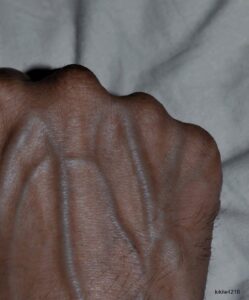
Visible veins—often referred to as vascularity—are commonly associated with fitness and low body fat. They can appear on the arms, hands, legs, or other areas of the body, and may become more noticeable with exercise, temperature changes, or shifts in hydration. While often interpreted as a sign of physical fitness, visible veins are actually the result of multiple overlapping biological and environmental factors.
Understanding them requires looking beyond appearance and examining how body fat, muscle structure, circulation, genetics, and physiology interact beneath the skin.
Body Fat Percentage and Skin Thickness
One of the primary factors influencing vein visibility is body fat percentage. Beneath the skin lies subcutaneous fat, which partially conceals blood vessels. When this layer is thicker, veins are less visible. As body fat decreases, veins become more exposed and easier to see.
However, this is only part of the explanation. Skin thickness also plays a role. Individuals with naturally thinner skin may display more visible veins even at moderate body fat levels.
Muscle Development and Structural Pressure
Muscle size also contributes significantly. As muscle tissue grows through resistance training, it pushes outward against the skin, reducing the distance between veins and the surface. This can make veins appear more prominent, especially in the arms and shoulders.
In combination with lower body fat, increased muscle mass is one of the main reasons athletes often display noticeable vascularity.
Blood Flow and Temporary Changes
Circulation has a dynamic effect on vein appearance. During physical activity, blood flow increases to working muscles, causing veins to expand—a process known as vasodilation. This is why veins often become more visible during exercise or immediately afterward.
This temporary effect, commonly referred to as a “pump” in fitness contexts, does not necessarily reflect long-term changes in body composition.
Hydration and Fluid Balance
Hydration status also influences vascular appearance. When the body is well-hydrated, tissues retain more fluid, which can slightly reduce vein prominence. In contrast, lower fluid levels may make veins appear more defined due to reduced tissue volume.
It is important to note that dehydration-related vascularity is not a sign of improved fitness, but rather a short-term physiological response.
Temperature Effects
Environmental temperature affects blood vessel behavior. In warm conditions, blood vessels dilate to release heat, making veins more visible. In colder environments, vessels constrict to conserve heat, reducing visibility.
This is why vascularity often fluctuates throughout the day or in different climates.
Genetics and Individual Variation
Genetics play a major role in determining baseline vascularity. Some individuals naturally have:
- More superficial veins
- Thinner skin
- Lower subcutaneous fat distribution in certain areas
As a result, they may display visible veins even without intense training or very low body fat. Others may require significant physical conditioning before similar visibility appears.
Age-Related Changes
Age can also influence vein appearance. As skin loses collagen and elasticity over time, it becomes thinner and more translucent. In some individuals, changes in fat distribution also occur with age, making veins more noticeable regardless of fitness level.
Hormonal Influences
Hormones affect both body composition and fluid balance. Higher testosterone levels are often associated with increased muscle mass and reduced body fat, which can enhance vascularity.
In women, hormonal fluctuations during menstrual cycles, pregnancy, or menopause may temporarily influence fluid retention and circulation, affecting how visible veins appear.
When Visible Veins May Signal a Health Issue
In most cases, visible veins are normal and harmless. However, sudden or unusual changes—especially when accompanied by symptoms such as pain, swelling, or discoloration—may require medical attention.
Conditions that can affect veins include:
- Varicose veins: Enlarged, twisted surface veins caused by weakened valve function
- Deep vein thrombosis (DVT): A blood clot in a deep vein, typically in the leg
It is important to distinguish normal vascularity from symptoms of circulatory disorders, which involve additional clinical signs beyond appearance alone.
Lifestyle and Long-Term Vein Health
Several lifestyle factors influence vascular health over time:
- Regular exercise improves circulation and vessel function
- A balanced diet supports healthy skin and connective tissue
- Smoking can damage blood vessel integrity
- Excessive alcohol intake may impair circulation
- Proper hydration supports normal blood flow dynamics
These factors influence overall vascular function more than appearance alone.
Key Takeaway
Visible veins are not a direct measure of health or fitness. Instead, they reflect a combination of body composition, genetics, circulation, hydration, temperature, and age-related changes.
They may become more noticeable with training and fat loss, but they are not a reliable goal on their own. Equally, a lack of visible veins does not indicate poor fitness or poor health.
Conclusion
Vascularity is best understood as a secondary effect of broader physiological conditions rather than a primary fitness marker. While it can accompany athletic conditioning, it is influenced by many variables outside of training alone.
A more accurate measure of health includes strength, endurance, energy levels, recovery, and overall physical and mental well-being.
Visible veins may come and go, but true fitness is defined by long-term consistency, functional health, and balanced physiology—not appearance alone.