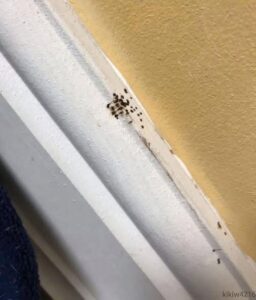
Not every strange mark in your kitchen is harmless—and not every one is a disaster either. Tiny black specks that appear on counters, along baseboards, or near door frames can be confusing at first glance. Many people assume they’re crumbs, dust, or residue from cooking. In some cases, that’s exactly what they are. But when these specks reappear after cleaning, cluster in patterns, or show up alongside small insects, they may indicate a pest issue that deserves attention.
Understanding what you’re seeing—and what you’re not—is the key to responding appropriately without unnecessary panic.
What Are These Tiny Black Dots?
In pest control, small black specks are often referred to as frass, a term used to describe insect droppings. While that may sound alarming, it’s important to keep things in perspective: frass itself is not unusual in environments where insects are present, and not all sightings point to a serious infestation.
The appearance of frass varies depending on the insect. It can look like:
- Fine black pepper
- Dark grains or dust
- Tiny pellets or specks clustered in lines
The most important clue is consistency. If the dots keep returning in the same areas after cleaning, something is likely producing them.
Common Culprits Behind Black Specks
Several household pests can leave behind these marks. The most common include pantry beetles and cockroaches.
Pantry pests like the Cigarette beetle and the Drugstore beetle are frequently responsible. These insects are small, often go unnoticed, and thrive in stored food products such as flour, cereal, spices, and dried goods.
Another possibility is the German cockroach, especially if the specks appear in hidden or humid areas like under sinks or behind appliances.
Each of these pests produces waste as it feeds and moves around, leaving behind the small black dots people notice.
Why Kitchens Are a Hotspot
Kitchens provide three things pests need most:
- Food
- Moisture
- Shelter
Even a clean kitchen can unintentionally provide these resources. Tiny spills, crumbs in hard-to-reach areas, or unsealed packaging are enough to attract insects. Moisture from sinks, dishwashers, or minor leaks adds another layer of appeal.
Insects also prefer hidden, undisturbed spaces. Cracks in cabinets, gaps behind appliances, and the backs of pantry shelves create ideal environments for feeding and breeding.
How to Tell If It’s an Active Problem
Seeing a few specks once is not necessarily a sign of infestation. However, you should take a closer look if you notice:
- Repeated appearance after cleaning
- Clusters forming in corners or along edges
- Presence of small insects nearby
- Damage to food packaging
- Specks inside drawers or cabinets
These signs together suggest ongoing activity rather than a one-time occurrence.
The Life Cycle Behind the Problem
Understanding how these pests reproduce helps explain why the issue can seem to appear suddenly.
Pantry beetles, for example, lay eggs directly in food sources. Once the larvae hatch, they begin feeding immediately. During this stage, they produce the most frass. Over time, they mature into adults and continue the cycle.
Cockroaches follow a similar pattern but tend to hide more effectively. They are nocturnal and often go unnoticed until evidence—like droppings—accumulates.
Because these life cycles can happen quickly under the right conditions, a small, unnoticed issue can grow over several weeks.
Are These Specks Dangerous?
The presence of frass is more of a hygiene concern than an immediate health emergency. That said, it shouldn’t be ignored.
Potential concerns include:
- Contamination of food
- Mild allergic reactions in sensitive individuals
- General sanitation issues
For most households, the risk is manageable and can be resolved with proper cleaning and pest control measures. Extreme outcomes are rare and usually linked to long-term, untreated infestations.
What To Do Immediately
If you suspect the black dots are pest-related, start with a thorough but practical approach.
1. Clean the Area Completely
Wipe down surfaces with standard household cleaners. Pay attention to corners, edges, and hidden spaces.
2. Vacuum Thoroughly
Use a vacuum to remove specks, especially from cracks and crevices. Dispose of the contents outside afterward.
3. Inspect Food Storage
Check dry goods for signs of damage or contamination. If anything looks questionable, it’s safer to discard it.
4. Seal Food Properly
Transfer pantry items into airtight containers. This both protects food and removes access for pests.
5. Reduce Moisture
Fix leaks, dry wet areas, and ensure good ventilation.
Treatment Options
For minor issues, cleaning and proper storage are often enough. If activity continues, you can consider additional measures:
- Sticky traps to monitor insect presence
- Targeted baits for specific pests
- Natural deterrents like bay leaves (for pantry pests)
Avoid excessive use of sprays, especially in food areas. These can sometimes make the problem worse by scattering insects deeper into hiding.
When to Call a Professional
If the problem persists after a couple of weeks of consistent effort, or if you notice increasing insect activity, it may be time to contact a pest control professional.
They can:
- Identify the exact species
- Locate hidden breeding areas
- Apply targeted treatments safely
Professional help is especially useful in apartment buildings or shared housing, where pests can move between units.
Preventing Future Problems
Prevention is where you gain long-term control. A few habits make a significant difference:
- Clean up food spills immediately
- Store all dry goods in sealed containers
- Take out trash regularly
- Deep-clean appliances periodically
- Check for leaks and fix them quickly
Regular inspection is just as important. Catching early signs prevents larger issues later.
The Bigger Picture
It’s easy for online posts to turn something like a few black specks into a worst-case scenario. In reality, most situations fall somewhere in the middle: not harmless, but not catastrophic either.
The key is awareness without overreaction.
A small sign—like recurring black dots—can be useful information. It tells you to check your environment, adjust your habits, and take action if needed. When handled early, these issues are usually straightforward to resolve.
Final Thoughts
Tiny black specks in your kitchen are worth paying attention to—but they don’t have to be a source of fear. In many cases, they’re simply an early signal that something in your environment needs adjustment.
By understanding what causes them, identifying the likely source, and taking consistent, practical steps, you can keep your kitchen clean, your food safe, and your home free from ongoing pest problems.
In the end, it’s not about reacting to a “terrifying discovery.” It’s about recognizing a small clue—and using it to stay one step ahead.