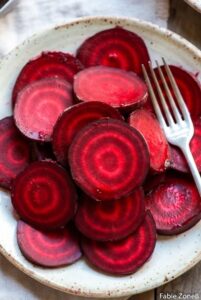
Beetroot has undergone a quiet but remarkable transformation in how it’s perceived. Once seen as a humble, earthy vegetable reserved for traditional dishes, it is now widely recognized by scientists and health professionals as one of the most biologically impactful plant foods available. This shift isn’t the result of passing trends or clever marketing—it’s grounded in a growing body of research that highlights the unique compounds found in beets and their effects on the human body.
At the core of beetroot’s benefits is its exceptionally high concentration of dietary nitrates. These naturally occurring compounds are converted by the body into nitric oxide through a sophisticated process involving oral bacteria and stomach chemistry. Nitric oxide plays a crucial role in vascular health by signaling blood vessels to relax and widen—a process known as vasodilation. This allows blood to flow more freely, improving the delivery of oxygen and nutrients throughout the body while reducing strain on the heart.
This mechanism has made beetroot particularly interesting to cardiologists and researchers exploring natural ways to support cardiovascular health. Regular consumption has been linked to modest reductions in blood pressure, improved circulation, and enhanced oxygen efficiency. For athletes, these changes can translate into increased endurance, reduced fatigue, and better overall performance. For non-athletes, the effects are more subtle but still meaningful—steady energy levels, improved focus, and a general sense of physical responsiveness.
Beyond circulation, beetroot offers significant benefits for digestive health due to its rich fiber content. It contains both soluble and insoluble fiber, each playing a distinct role. Soluble fiber slows digestion and helps regulate the absorption of sugars and fats, preventing sharp spikes in blood glucose levels. This makes beetroot a smart addition for those looking to maintain stable energy or manage insulin sensitivity.
Insoluble fiber, meanwhile, supports regular bowel movements by adding bulk and promoting efficient waste elimination. Together, these fibers contribute to a healthier gut environment by feeding beneficial bacteria. This is especially important given the growing understanding of the gut’s influence on immune function, mental health, and overall well-being. Many people who begin incorporating beets into their diet notice improvements such as reduced bloating, better regularity, and a more balanced digestive system.
Fiber also plays a role in satiety. Meals that include beetroot tend to be more filling, which can help reduce overeating and limit reliance on processed snacks. Unlike refined carbohydrates that cause rapid spikes and crashes in energy, beets provide a more sustained release of fuel, supporting both physical and mental stability throughout the day.
One of beetroot’s most distinctive features—its deep red and purple color—is also a marker of its powerful health properties. These vibrant pigments come from compounds called betalains, which act as potent antioxidants and anti-inflammatory agents. In a world where chronic inflammation is linked to numerous health conditions, including heart disease and metabolic disorders, the ability to reduce inflammatory stress is highly valuable.
Betalains work by neutralizing free radicals, unstable molecules that can damage cells and accelerate aging. They also influence inflammatory pathways within the body, helping to regulate the body’s response to stress and injury. This dual action supports overall cellular health and may contribute to long-term disease prevention.
The liver, in particular, benefits from these compounds. As the body’s primary detoxification organ, the liver is responsible for processing toxins and metabolic waste. Beetroot supports these processes by enhancing the liver’s natural detox pathways, allowing it to function more efficiently. Unlike extreme “detox” approaches that can be restrictive or disruptive, beetroot offers a gentle, sustainable way to support the body’s natural systems.
Some individuals report feeling more energized and mentally clear after regularly consuming beets, which may reflect improved circulation, reduced inflammation, and better metabolic efficiency. These benefits can also extend to skin health, as improved blood flow and lower inflammation contribute to a brighter, more even complexion over time.
In addition to its specialized compounds, beetroot is rich in essential nutrients that support fundamental bodily functions. It is particularly high in folate, a B-vitamin essential for DNA synthesis and cell division. This makes it especially important during periods of growth, such as pregnancy.
Beets also provide potassium, which helps regulate fluid balance, nerve function, and blood pressure. Manganese supports metabolism and antioxidant defenses, while iron contributes to the production of red blood cells and oxygen transport. Although plant-based iron is less easily absorbed than iron from animal sources, combining beetroot with vitamin C-rich foods—such as citrus fruits or peppers—can significantly improve absorption.
These nutrients work together in a synergistic way, supporting energy production, cognitive function, and overall resilience. Over time, these internal benefits may also become visible externally, contributing to healthier skin, stronger hair, and improved vitality.
However, despite their many advantages, beetroot should be consumed with awareness and balance. While highly nutritious, it is not a cure-all. Excessive intake—especially in the form of concentrated juice—can lead to drawbacks. Without the fiber found in whole beets, juice can cause rapid increases in blood sugar when consumed in large quantities.
Another harmless but sometimes surprising effect is beeturia, where urine or stool turns reddish after consumption. This is simply due to the natural pigments in beets and is not a cause for concern.
That said, individuals prone to kidney stones should be cautious, as beetroot contains oxalates, compounds that may contribute to stone formation in susceptible people. Additionally, those taking blood pressure medications should consult a healthcare professional before significantly increasing their intake, since beetroot’s natural blood pressure-lowering effects could amplify medication outcomes.
These considerations don’t diminish beetroot’s value—they simply highlight the importance of incorporating it thoughtfully into a balanced diet rather than relying on it excessively.
The real strength of beetroot lies in its cumulative effects. It doesn’t produce dramatic overnight changes, but rather supports the body gradually through consistent use. Incorporating it into everyday meals—whether roasted, steamed, grated raw into salads, or blended into smoothies—allows its nutrients to work in harmony with other foods.
Its natural sweetness and versatility make it easy to include in both savory and sweet dishes. From simple side dishes to creative recipes, beetroot can become a regular part of a nourishing eating pattern.
Ultimately, the “beetroot upgrade” is less about quick results and more about long-term support. It reflects a broader approach to health—one that values consistency, balance, and whole foods over extremes. Over time, small, steady choices like adding beetroot to your diet can lead to meaningful improvements in energy, focus, and overall well-being.