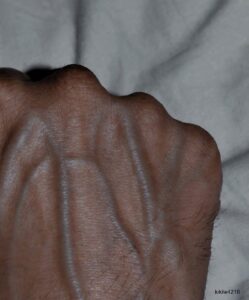
Introduction: What Visible Veins Actually Mean
If you have visible veins, it typically indicates a combination of relatively low body fat and sufficient muscle development, allowing subcutaneous veins to show more clearly than in the average person. In fitness culture, this is often referred to as vascularity and is widely associated with leanness, discipline, and physical conditioning.
However, visible veins are not a one-dimensional sign of superior health or fitness. They are influenced by a wide range of physiological and environmental factors, including genetics, skin thickness, hydration levels, age, temperature, and even certain medical conditions.
For many individuals—particularly men with body fat levels around 8–12% and women around 15–20%—veins can become naturally visible without extreme interventions. This happens because reduced fat beneath the skin makes blood vessels more noticeable, while increased muscle mass pushes veins closer to the surface.
Still, it’s important to avoid oversimplifying vascularity as a universal marker of peak health.
The Science Behind Visible Veins
1. Body Fat Percentage
The most significant factor affecting vein visibility is subcutaneous fat. As body fat decreases, the layer covering veins becomes thinner, making them more prominent.
In extreme cases—such as competitive bodybuilding—very low body fat levels can create “roadmap vascularity,” where veins are highly pronounced across the body. While visually striking, maintaining such low levels long-term is neither practical nor healthy for most people.
2. Muscle Mass and Training
Resistance training increases muscle size (hypertrophy), which pushes veins closer to the skin. At the same time, exercise improves blood circulation and vascular elasticity, enhancing overall vein visibility.
3. Genetics
Genetics play a major role. Some people naturally have:
- Thinner skin
- More superficial veins
- Favorable fat distribution
This means they may appear vascular even without intense training or dieting.
4. Skin Thickness and Age
Thinner skin makes veins more visible. As people age, skin loses collagen and elasticity, becoming more translucent—often increasing vascular appearance regardless of fitness level.
5. Hydration and Fluid Balance
Hydration dramatically impacts vascularity:
- Dehydration → veins appear more prominent
- Fluid retention → veins look less visible
This is why athletes sometimes manipulate water and sodium before competitions.
6. Temperature and Environment
Heat causes vasodilation (widening of blood vessels), making veins more visible. Cold does the opposite, reducing visibility.
Hormones, Supplements, and External Influences
Hormonal levels—especially testosterone—can influence muscle density and vascular development. This partly explains why men tend to display more vascularity than women.
Certain supplements can temporarily increase vascularity:
- Nitric oxide boosters (e.g., citrulline, arginine)
- Beetroot extract
- Caffeine
These enhance blood flow, creating the “pump” effect often seen during workouts.
However, more extreme methods—such as anabolic steroids—can artificially increase vascularity while posing serious health risks, including cardiovascular strain and hormonal imbalance.
When Visible Veins Reflect Fitness—and When They Don’t
Visible veins can be a sign of:
- Low body fat
- Consistent training
- Good circulation
But they can also result from:
- Dehydration
- Genetic predisposition
- Temporary environmental effects
In other words, vascularity is not a definitive indicator of overall health.
Someone can have visible veins and still experience:
- Nutrient deficiencies
- Hormonal imbalances
- Overtraining
Conversely, a healthy individual may have minimal visible veins due to genetics or higher (but still healthy) body fat levels.
Cultural and Psychological Influences
In modern fitness culture, visible veins are often treated as a badge of honor. Social media has amplified this perception, associating vascularity with discipline, attractiveness, and success.
For many:
- It boosts confidence
- Reinforces motivation
- Serves as visible proof of effort
However, this can also create pressure. People may:
- Compare themselves to unrealistic standards
- Feel inadequate due to genetics
- Pursue extreme dieting or dehydration
In severe cases, this mindset can contribute to:
- Body dysmorphia
- Disordered eating
- Overtraining
A healthier perspective is to view vascularity as a byproduct of fitness—not the primary goal.
How to Achieve Healthy Vascularity
If your goal is to naturally enhance visible veins, focus on sustainable habits:
1. Nutrition
- Maintain a moderate calorie deficit (if fat loss is needed)
- Eat sufficient protein (1.6–2.2 g/kg body weight)
- Prioritize whole foods
2. Training
- Strength training 3–5 times per week
- Focus on compound movements
- Apply progressive overload
3. Cardiovascular Health
- Include cardio 2–3 times weekly
- Improves circulation and heart health
4. Hydration
- Drink adequate water daily
- Avoid relying on dehydration for appearance
5. Consistency
Visible veins develop over time—not through shortcuts.
When Visible Veins Might Be a Warning Sign
While usually harmless, certain signs should not be ignored:
- Sudden increase in vein prominence
- Pain, swelling, or tenderness
- Discoloration or skin changes
- One-sided (asymmetrical) vein appearance
These may indicate conditions such as:
- Varicose veins
- Chronic venous insufficiency
- Deep vein thrombosis (DVT)
- Circulatory disorders
If any of these occur, medical evaluation is important.
Special Considerations
Women
Hormonal fluctuations, menstrual cycles, and pregnancy can affect vascularity due to changes in blood volume and fluid retention.
Athletes
Extreme leanness for competitions can increase vascularity but may also:
- Disrupt hormones
- Suppress immunity
- Reduce energy levels
Aging Individuals
Increased vein visibility with age is normal due to thinner skin and reduced fat—not necessarily improved fitness.
A Balanced Perspective on Vascularity
Visible veins are best understood as one piece of a much larger picture. They reflect:
- Body composition
- Circulatory function
- Genetic traits
- Lifestyle habits
But they do not define health on their own.
True health includes:
- Stable energy levels
- Strong cardiovascular function
- Hormonal balance
- Mental well-being
Conclusion
Visible veins can be a sign that your body is lean, trained, and physiologically adapted—but they are not the ultimate measure of fitness or health. Their appearance is shaped by a complex interaction of fat levels, muscle mass, genetics, hydration, and environmental factors.
Rather than chasing vascularity as a goal, it’s more beneficial to focus on sustainable habits that support long-term well-being. When approached this way, visible veins become a natural and rewarding side effect—not a requirement.