The Hidden Truth About Beef: What Supermarkets Don’t Want You Thinking About When You Buy Meat
Walk into almost any supermarket and the meat section looks clean, bright, and reassuring. Rows of neatly packaged beef sit under controlled lighting designed to enhance color and freshness. Labels use words like “natural,” “premium,” “farm fresh,” or “locally sourced,” creating the impression that you are making a simple, transparent choice.
But behind that polished surface lies a much more complex system—one that most shoppers rarely see or fully understand.
The reality is that beef production exists on a wide spectrum. On one end are large-scale industrial systems designed for efficiency and volume. On the other are small farms focused on slower, more traditional methods of raising animals. Most consumers never directly interact with either system, yet both end up influencing what appears in grocery store packaging.
Understanding the difference is not about demonizing one system or glorifying another. It is about recognizing how food moves through the modern world—and how that journey affects quality, nutrition, ethics, and even environmental impact.
How Supermarket Beef Is Actually Produced
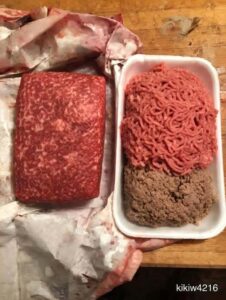
One of the most misunderstood aspects of meat shopping is freshness. The bright red color of supermarket beef is often interpreted as a sign of recent butchering. In reality, color alone is not a reliable indicator of freshness.
In large-scale supply chains, beef often passes through multiple stages before reaching shelves: slaughter, processing, packaging, refrigeration, transportation, and storage. During this process, controlled environments and packaging techniques are used to preserve appearance.
One common method is modified atmosphere packaging. This involves sealing meat in containers filled with gases designed to slow oxidation. Oxygen exposure is managed carefully because oxygen is what turns meat from bright red to darker brown over time.
This does not necessarily mean the meat is unsafe or low quality. Instead, it reflects industrial food systems optimized for shelf life and distribution efficiency rather than immediate local consumption.
By contrast, meat from small farms or local butchers often travels shorter distances. It may be processed closer to the point of sale, meaning fewer preservation steps and less time in transit. This can affect flavor, texture, and how quickly the meat changes color after exposure to air.
Neither system is inherently “wrong,” but they operate with different priorities.
Industrial Beef Production: Efficiency at Scale
Most supermarket beef comes from large-scale industrial systems often referred to as concentrated animal feeding operations.
These systems are designed to produce large amounts of meat efficiently. Their main goals include:
- Maximizing production output
- Reducing cost per animal
- Accelerating growth cycles
- Standardizing meat quality
To achieve this, cattle are often raised in confined environments and fed high-energy diets that include grains such as corn and soy. These diets promote faster weight gain compared to traditional grass-based feeding systems.
The advantage of this approach is affordability. It allows beef to be widely available at relatively low prices, making it accessible to a large portion of the population.
However, efficiency can come with trade-offs that extend beyond cost.
Animals in these systems often have limited space to move freely. Their diets differ significantly from natural grazing patterns. Growth is optimized for speed rather than natural development cycles.
These factors can influence not only the animal’s experience but also the composition of the meat itself.
Farm-Raised Beef: A Different Philosophy of Production
At the opposite end of the spectrum are smaller farms that raise cattle in more traditional ways. These systems vary widely, but they often emphasize:
- Pasture access
- Natural grazing behavior
- Slower growth rates
- More individualized animal care
Instead of prioritizing speed and volume, these farms often focus on process. Animals may spend more time outdoors, moving across pasture land and consuming grass or mixed natural diets.
This slower development cycle can affect meat characteristics such as fat distribution, texture, and flavor profile.
Many consumers describe farm-raised or grass-fed beef as having a richer, more distinct taste compared to industrial beef. However, taste is subjective, and differences can vary based on breed, feed, and handling practices.
It is also important to recognize that “farm-raised” is not a single uniform category. Some farms follow regenerative agriculture principles, while others simply operate on a smaller scale without significantly different environmental practices.
Does It Really Change Nutrition?
One of the most debated topics is whether farm-raised beef is nutritionally superior to industrial beef.
Some research suggests differences in nutrient composition, particularly in grass-fed systems. These may include:
- Higher omega-3 fatty acid content
- Increased conjugated linoleic acid (CLA)
- Slightly different antioxidant profiles
However, these differences are generally modest and influenced by many variables, including breed, geography, and feeding duration.
From a nutritional standpoint, both industrial and farm-raised beef provide:
- High-quality protein
- Iron
- Zinc
- Vitamin B12
This means neither type is “bad” in a general dietary sense. Instead, the distinction is more about subtle nutritional variation rather than drastic health differences.
For most people, overall diet quality matters far more than the specific origin of a single food item.
The Importance of Traceability and Transparency
One of the clearest differences between supermarket meat and direct farm sourcing is traceability.
When buying from a local butcher or farm, you often have more direct information about:
- Where the animal was raised
- What it was fed
- How it was processed
- Farming practices used
In contrast, supermarket supply chains often involve multiple sources. Ground beef, for example, may be a blend of meat from different animals and even different regions.
This does not imply unsafe food, but it does reduce transparency.
For consumers who value knowing exactly where their food comes from, shorter supply chains offer more visibility and accountability.
Environmental Impact: Not as Simple as It Seems
The environmental impact of beef production is one of the most complex issues in food systems.
Large-scale industrial beef production is often associated with:
- High greenhouse gas emissions
- Significant water usage
- Concentrated waste output
- Land use for feed crops
However, environmental impact is not determined solely by scale. Farming practices matter significantly.
Some smaller farms use rotational grazing or regenerative agriculture techniques that aim to:
- Improve soil health
- Increase biodiversity
- Reduce erosion
- Store carbon in soil
But not all small farms use these methods, and not all industrial systems are equally inefficient. The reality is highly variable.
This means environmental impact depends more on how cattle are raised than simply where they are sold.
Animal Welfare Considerations
Animal welfare is another major factor influencing consumer choices.
Industrial systems prioritize efficiency, which can limit space and natural behaviors. Animals are managed in high-density environments where productivity is the primary focus.
Smaller farms often provide more space and more natural living conditions. Animals may graze outdoors and experience less confinement.
However, welfare conditions vary widely even within these categories. Some industrial operations implement strict welfare standards, while some smaller farms may lack consistent oversight.
For consumers concerned about animal welfare, certifications and verified standards are more reliable than marketing terms alone.
Why Food Labels Can Be Misleading
One of the biggest challenges in modern food shopping is interpreting labels.
Terms such as:
- “Natural”
- “Farm fresh”
- “Premium quality”
are not always strictly regulated in meaning. They are often used as marketing language rather than indicators of specific farming practices.
More meaningful indicators include:
- Certified grass-fed labels
- Animal welfare certifications
- Verified organic standards
- Traceable farm origin labeling
Understanding the difference between marketing language and regulated certification is key to making informed decisions.
Why Price Differences Exist
Industrial beef is generally cheaper due to economies of scale. Large operations reduce costs through automation, bulk feed purchasing, and streamlined logistics.
Farm-raised beef tends to be more expensive because:
- Animals are raised for longer periods
- Land use is greater per animal
- Labor requirements are higher
- Production volumes are smaller
Whether higher cost is justified depends entirely on consumer priorities such as ethics, taste preference, environmental concerns, and budget.
How to Make More Informed Choices
Consumers do not need to completely change their shopping habits to make better decisions. Small adjustments can significantly improve awareness and choice quality.
Helpful strategies include:
- Asking butchers about sourcing details
- Buying directly from local farmers when possible
- Looking for verified certifications
- Comparing different suppliers over time
- Learning basic label terminology
Even occasional shifts toward more transparent sourcing can support different parts of the food system.
The Bigger Picture of Modern Food Systems
The debate between industrial and farm-raised beef is not about choosing a single “correct” option. It is about understanding trade-offs.
Industrial systems make food widely available and affordable. Smaller systems emphasize traceability, tradition, and often different environmental approaches.
Both exist for reasons rooted in demand, economics, and infrastructure.
The most important shift is awareness—recognizing that food is not just a product on a shelf, but the result of complex biological, economic, and environmental systems.
Final Reflection
The next time you stand in front of neatly packaged beef at a supermarket, you are not just choosing a cut of meat. You are indirectly interacting with a larger system that includes farming methods, transportation networks, environmental impacts, and economic decisions.
Understanding that system does not require rejecting supermarket food entirely. Instead, it allows you to make more conscious choices based on what matters most to you—whether that is cost, transparency, taste, sustainability, or ethics.
The key takeaway is simple: appearance and packaging only tell part of the story.