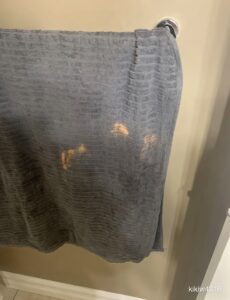
Why Your Towels Turn Orange: The Hidden Science Behind the Stains That Won’t Go Away
Orange or yellow-brown stains on towels are one of those frustrating household mysteries that seem to appear out of nowhere. A brand-new towel can look perfect after purchase, only to develop patchy rust-colored marks after a few weeks of use. Even more annoying, these stains often survive normal washing, detergent, and sometimes even bleach. The result is a towel that looks old, dirty, and worn out far too early.
The truth is that these stains are not caused by a single issue. Instead, they are the result of multiple interacting factors involving water chemistry, skin products, laundry habits, and environmental conditions. Once you understand how these elements combine, the “mystery stain” becomes very predictable—and in many cases preventable.
Hard Water: The Most Common Hidden Culprit
One of the biggest contributors to orange towel stains is hard water. Hard water contains elevated levels of dissolved minerals such as iron, calcium, and magnesium. While these minerals are harmless to drink, they can be destructive to fabrics over time.
Iron is especially important here. When iron-rich water is exposed to air and oxygen, it oxidizes and forms iron oxide—essentially rust. That rust doesn’t just float away during washing; it binds tightly to cotton fibers. Towels, which are highly absorbent and fibrous, act like sponges for these minerals.
Over time, repeated washing and drying cycles cause a buildup. At first, the stains may appear as faint yellow specks. Eventually, they deepen into orange or rusty patches that spread unevenly across the fabric.
Several factors make this worse:
- Washing in hot water (speeds up mineral deposition)
- Using too much detergent (traps minerals in fabric)
- Not rinsing thoroughly (residue buildup)
- Old plumbing pipes (can release additional iron particles)
Even if your water looks clean, it can still contain enough dissolved minerals to gradually discolor fabrics.
Body Oils, Skin Products, and Everyday Chemistry
Your skin is another major source of towel staining. Every time you dry off after a shower, your towel absorbs a mixture of sweat, natural oils, dead skin cells, and any products you’ve applied.
Lotions, sunscreens, acne treatments, and self-tanners are particularly problematic. Some of these products contain chemicals that react with oxygen or minerals in water, producing yellow or orange discoloration when trapped in fabric fibers.
One of the worst offenders is benzoyl peroxide, commonly found in acne treatments. It doesn’t just stain—it actively oxidizes dyes and fabrics, leaving behind permanent orange or yellow patches.
Hair products also contribute. Conditioners, oils, and dyes transfer onto towels used for drying hair, especially when the towel is wrapped around the head. Over time, these substances accumulate and create uneven discoloration.
The problem is not immediate. Instead, it builds gradually, which is why towels often seem to “mysteriously” develop stains after a few weeks rather than instantly.
Laundry Mistakes That Make Everything Worse
Even if water quality and skin products are unavoidable, laundry habits often determine whether towels stay clean or become permanently stained.
1. Too much detergent
Many people assume more detergent equals cleaner towels. In reality, excess detergent does not fully rinse out, especially in high-efficiency machines. This leftover residue traps oils and minerals, accelerating staining.
2. Fabric softener buildup
Fabric softeners coat fibers with a thin layer of chemicals designed to make fabrics feel softer. Over time, this coating traps dirt, oils, and minerals, which contributes to discoloration.
3. Overloaded washing machines
When the drum is too full, towels cannot move freely. This reduces rinsing efficiency, leaving behind contaminants that eventually oxidize into orange stains.
4. Incorrect water temperature
Hot water can “bake in” oils and minerals, especially iron. Once embedded, these compounds become much harder to remove.
5. Mixing towels with other laundry
Washing towels with heavily soiled clothing spreads oils, dyes, and residues that accelerate staining.
Environmental Factors You Don’t Notice
Beyond water and laundry habits, your environment plays a subtle but important role.
Humidity is a major factor. Towels that stay damp for long periods—especially in bathrooms without ventilation—become breeding grounds for bacteria and mineral buildup. These microorganisms don’t directly cause orange stains, but they interact with residues already in the fabric, making discoloration worse.
Air quality also matters. Dust, pollution particles, and airborne iron compounds can settle on damp towels and become embedded during drying.
Storage conditions contribute as well. Folding slightly damp towels and placing them in enclosed spaces can trap moisture and accelerate chemical reactions that deepen stains.
Why Orange? The Chemistry Behind the Color
The distinctive orange or rust color comes primarily from iron oxidation. When iron particles in water or pipes come into contact with oxygen, they form iron oxide. This compound has a reddish-brown hue very similar to rust on metal surfaces.
When embedded in cotton fibers, this oxide binds tightly and becomes extremely difficult to remove with standard detergents.
Other contributors to yellow-orange tones include:
- Oxidized body oils
- Degraded skincare ingredients
- Heat-processed detergent residues
- Bacterial byproducts interacting with minerals
The combination of these elements produces the uneven, patchy appearance typical of stained towels.
Why New Towels Get Stained So Fast
It often surprises people that brand-new towels can stain within weeks. This happens because new towels are highly absorbent and free of protective buildup.
Fresh cotton fibers act like a blank sponge, rapidly absorbing whatever they come into contact with—water minerals, oils, and detergent residues. Without any prior “conditioning,” they are especially vulnerable during the first few dozen washes.
Cheaper towels tend to stain faster because they use shorter cotton fibers that trap residues more easily. Higher-quality long-staple cotton resists buildup slightly better, but it is not immune.
Can Orange Stains Be Removed?
The answer depends on how long the stain has been present and what caused it.
Fresh stains:
These can often be reduced or removed using:
- Oxygen-based bleach soaks
- White vinegar rinses
- Baking soda pastes
- Enzyme detergents
Older, set-in stains:
These are much harder to remove because oxidation has permanently bonded particles to fibers. In these cases, treatments may lighten but not fully eliminate discoloration.
Boiling water or harsh chlorine bleach is not always effective and can sometimes worsen fiber damage, especially with repeated use.
How to Prevent Orange Stains Permanently
Prevention is far more effective than treatment. A few simple adjustments can dramatically reduce towel staining.
Improve water quality
If you live in a hard water area, consider:
- Installing a water softener
- Using chelating laundry additives
- Adding vinegar to rinse cycles
Adjust laundry habits
- Use less detergent than recommended
- Avoid fabric softeners
- Wash towels separately
- Use warm, not hot, water
- Run an extra rinse cycle
Control product exposure
- Avoid using heavily treated skin directly before drying
- Rinse face and hands before towel use
- Be cautious with acne treatments and self-tanners
Improve drying and storage
- Dry towels completely after each use
- Avoid leaving damp towels in bathrooms
- Ensure good ventilation or airflow
- Do not store towels while slightly wet
When Stains Signal a Bigger Problem
In rare cases, persistent orange staining may indicate more than just laundry issues.
Possible underlying causes include:
- Extremely high iron content in water supply
- Corroded plumbing pipes
- Contaminated well water
- Improper water filtration systems
If every towel in your home stains quickly despite good laundry habits, testing your water supply is a smart step.
Final Thoughts: Why This Problem Feels Worse Than It Is
Orange towel stains feel frustrating because they appear random and uncontrollable. In reality, they are the predictable outcome of chemistry, habits, and environment interacting over time.
The key takeaway is that towels are not “ruined” randomly—they are reacting to consistent exposure to minerals, oils, and residues. Once those sources are identified and controlled, the problem usually stops completely.
With small adjustments—better water management, smarter washing habits, and improved drying routines—you can extend towel life significantly and eliminate those stubborn orange marks for good.