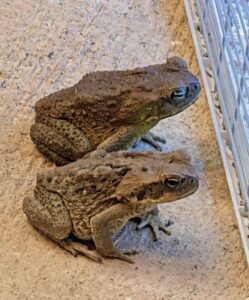
A toad appearing in your home, garden, or yard can feel surprising, even slightly unsettling at first. These small, quiet creatures often seem to arrive out of nowhere, sitting silently in a corner or hopping slowly across a damp patch of ground. However, in most cases, there is nothing mysterious or alarming about their presence. Toads are simply responding to their natural instincts and basic survival needs. Their appearance is usually tied to environmental factors such as moisture, shelter, and the availability of food. Rather than being a cause for concern, a toad’s presence is often a sign that your surroundings provide a supportive and balanced habitat.
Toads are amphibians, meaning they rely on both land and water at different stages of their lives. They are particularly sensitive to their environment and require specific conditions to thrive. One of the most important of these is moisture. Unlike some animals, toads do not drink water in the usual way; instead, they absorb it through their skin. This makes damp environments essential for their survival. After rainfall, during humid evenings, or in areas where water collects, toads become more active. It is during these times that people are most likely to notice them.
In addition to moisture, toads seek out shelter. They prefer cool, shaded areas where they can remain hidden during the day. This might include under rocks, beneath plant pots, in thick grass, or in small crevices near walls and foundations. These hiding spots protect them from predators and prevent their bodies from drying out. If a toad finds a location that meets these needs, it may return repeatedly or even take up long-term residence in that area.
Food is another major factor that attracts toads. They primarily feed on insects and other small invertebrates, including mosquitoes, flies, beetles, ants, and worms. Gardens and outdoor spaces often provide an abundant food supply, especially if there are plants, lights, or water sources nearby. Outdoor lighting, in particular, can draw insects at night, effectively creating a feeding ground for toads. This natural relationship explains why toads are often found near porches, patios, or garden lights.
Despite their somewhat unusual appearance, toads are harmless creatures. They are not aggressive and have no interest in interacting with humans. When disturbed, their instinct is to remain still or move away slowly. While some species can secrete a mild toxin as a defense mechanism, it is generally only harmful if ingested and poses no real threat through casual contact. For humans, the presence of a toad is far more beneficial than problematic.
In fact, toads play an important role in maintaining ecological balance. By feeding on insects, they help control populations of pests that might otherwise become overwhelming. Mosquitoes, for example, are not only annoying but can also carry diseases. Toads contribute to reducing their numbers naturally, without the need for chemical insecticides. This makes them valuable allies in both gardens and residential areas.
For gardeners, the presence of a toad can be especially beneficial. Many of the insects that toads consume are known to damage plants. By keeping these populations in check, toads help promote healthier plant growth. They do this quietly and efficiently, without disrupting the environment. Unlike chemical treatments, which can harm beneficial insects and contaminate soil, toads provide a natural and sustainable form of pest control.
The presence of a toad can also be an indicator of environmental health. Amphibians are highly sensitive to pollution, pesticides, and changes in habitat conditions. Because of this, they tend to thrive only in areas where the ecosystem is relatively clean and balanced. If a toad has chosen your yard or garden as its home, it suggests that the environment is capable of supporting life in a stable and sustainable way. This can be reassuring, as it reflects a level of ecological quality that benefits both wildlife and humans.
In contrast, environments that are heavily polluted or treated with chemicals often lack amphibian populations. The absence of creatures like toads can sometimes signal underlying environmental issues. For this reason, their presence is often viewed positively by those who study ecosystems and biodiversity. It indicates that the natural systems in the area are functioning as they should.
Beyond their ecological role, toads have long held symbolic meaning in various cultures and traditions. Throughout history, they have been associated with transformation, renewal, and adaptability. This symbolism is largely based on their life cycle. Toads begin life as eggs in water, hatch into tadpoles, and gradually undergo a remarkable transformation into land-dwelling adults. This process has been seen as a powerful representation of change and growth.
In many belief systems, encountering a toad is interpreted as a reminder that change is a natural and necessary part of life. Just as the toad transitions from one stage to another, humans also experience periods of transformation. These changes may involve personal growth, new opportunities, or shifts in perspective. The toad, in this sense, becomes a quiet symbol of resilience and adaptation.
Some cultures also associate toads with luck and prosperity. In certain traditions, they are believed to attract abundance and positive energy. This idea is particularly prominent in practices such as Feng Shui, where specific symbols are used to influence the flow of energy within a space. Toad figures are sometimes placed in homes or businesses as representations of wealth and good fortune. While these beliefs are not based on scientific evidence, they remain meaningful to many people and contribute to the broader cultural significance of the toad.
Other interpretations view toads as protectors or cleansers of negative energy. Their connection to water and earth elements links them to ideas of purification and renewal. In this context, a toad’s presence may be seen as a sign that stagnant or unbalanced energy is being cleared away. Whether taken literally or symbolically, this perspective adds another layer of meaning to the experience of encountering a toad.
It is important to recognize that these symbolic interpretations vary widely and are shaped by cultural context. Not everyone assigns deeper meaning to the presence of a toad, and that is perfectly reasonable. From a scientific standpoint, their appearance can be fully explained by environmental factors and natural behavior. However, for those who appreciate symbolic or spiritual perspectives, the toad can offer a moment of reflection and insight.
Even without symbolic meaning, the presence of a toad can encourage a greater awareness of the natural world. In modern life, it is easy to overlook small details and become disconnected from the environment. Encountering a toad—unexpected and quiet—can serve as a reminder that nature is always present, even in the most ordinary spaces. It invites a pause, a moment of observation, and a chance to appreciate the complexity of life that exists just beyond our usual attention.
Toads also highlight the interconnectedness of ecosystems. Their survival depends on a balance of factors, including water, food, shelter, and the absence of harmful chemicals. When these conditions are met, it supports not only toads but a wide range of other organisms as well. This interconnectedness underscores the importance of maintaining healthy environments, both for wildlife and for human well-being.
If a toad enters your home, it is usually by accident. It may have wandered in through an open door or found its way inside while seeking shelter. In such cases, the best approach is to gently guide it back outside. Using a container or wearing gloves, you can safely relocate the toad to a shaded, damp area where it will be more comfortable. There is no need for fear or alarm, as the animal is simply trying to survive.
Preventing future visits can be as simple as sealing small gaps, keeping doors closed, and reducing excess moisture near entry points. However, if a toad is found in your yard rather than inside your home, there is generally no need to remove it. Allowing it to remain can be beneficial for the environment and contribute to natural pest control.
Some people may feel uneasy about sharing their space with wildlife, even in small forms like toads. This reaction is understandable, especially if the encounter is unexpected. However, understanding the reasons behind the toad’s presence can help reduce discomfort. Recognizing that it is harmless and even helpful can shift the perspective from concern to appreciation.
In many ways, the toad represents the quiet, often unnoticed aspects of nature. It does not demand attention or create disturbance. Instead, it goes about its life in a slow, deliberate manner, contributing to the ecosystem in subtle but meaningful ways. Its presence is a reminder that not all important things are loud or visible. Some of the most valuable contributions happen quietly, in the background.
Observing a toad can also inspire curiosity. How does it find its way? What does it eat? Where does it go during the day? These questions can lead to a deeper interest in the natural world and a greater appreciation for biodiversity. Even a single toad can open the door to learning about ecosystems, habitats, and the delicate balance that sustains life.
Ultimately, whether viewed through a scientific, practical, or symbolic lens, the appearance of a toad is generally a positive occurrence. It reflects the presence of life, the functioning of natural systems, and the possibility of balance within the environment. It is not a sign of danger or something to fear, but rather an indication that your surroundings are capable of supporting a diverse range of organisms.
Instead of seeing a toad as something unusual or unwelcome, it can be helpful to view it as part of a larger picture. It is one small piece of a complex and interconnected system that includes plants, insects, animals, and humans. Each plays a role, and each contributes to the overall health of the environment.
Taking a moment to observe a toad—its stillness, its movements, its quiet presence—can be surprisingly grounding. It brings attention to the present moment and offers a connection to something beyond daily routines. In a fast-paced world, these small encounters with nature can be both calming and meaningful.
In conclusion, a toad appearing in your home or yard is rarely anything to worry about. It is usually there because your environment provides what it needs to survive: moisture, shelter, and food. Its presence can help control pests, support plant health, and indicate a balanced ecosystem. Beyond its practical benefits, it also carries symbolic meanings in various cultures, representing transformation, renewal, and good fortune.
Whether you see it as a helpful creature, a sign of environmental health, or a symbol of change, the toad offers an opportunity to pause and reflect. It reminds us that even the smallest forms of life have value and purpose. Rather than being something to fear or dismiss, it can be appreciated as a quiet and meaningful part of the natural world.