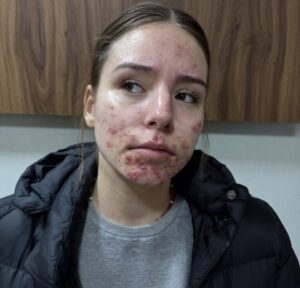
Severe facial acne, especially the kind many young women experience during their late teens and early twenties, is far more complex than a simple cosmetic concern. While pimples and cysts appear on the surface of the skin, the true causes develop much deeper beneath it through a combination of biological, hormonal, genetic, and lifestyle-related processes working together over time.
For many people, acne becomes emotionally exhausting because it feels unpredictable and persistent. One breakout fades while another quickly forms. Some blemishes heal slowly, while others leave dark marks or scars behind. The condition can affect confidence, social comfort, emotional wellbeing, and even daily routines.
Yet acne is not simply the result of “dirty skin” or poor hygiene as outdated myths often suggest.
In reality, acne develops through a highly complex chain reaction involving hormones, oil glands, bacteria, inflammation, immune responses, and environmental triggers.
Understanding how these systems interact helps explain why acne can become severe—and why treating it successfully often requires more than surface-level skincare alone.
🔬 How Acne Actually Begins Beneath the Skin
Acne starts inside structures called pilosebaceous units, which consist of a hair follicle and an attached oil-producing gland known as a sebaceous gland.
Under normal conditions, these glands produce sebum, a natural oil designed to protect and lubricate the skin. Sebum itself is not harmful. In fact, healthy skin depends on it for moisture and barrier protection.
Problems begin when several biological processes occur simultaneously.
1. Excess Oil Production
Hormonal activity—particularly involving androgens such as testosterone—stimulates sebaceous glands to produce larger amounts of oil than the skin actually needs.
This excess sebum creates an environment where pores become more vulnerable to blockage.
2. Pore Clogging
At the same time, dead skin cells inside hair follicles fail to shed normally. Instead of clearing naturally from the pore, these cells combine with excess oil and form tiny blockages called microcomedones.
These blockages trap oil beneath the skin.
3. Bacterial Overgrowth
Inside the clogged pore, a bacteria called Cutibacterium acnes begins multiplying rapidly. Although this bacteria normally exists on healthy skin, trapped oil creates ideal conditions for overgrowth.
4. Inflammation
The immune system recognizes the bacterial buildup and responds with inflammation. This causes redness, swelling, tenderness, pus formation, and in more severe cases, deep cystic acne beneath the skin.
This inflammatory response explains why severe acne can become:
- Painful
- Persistent
- Swollen
- Emotionally distressing
- Prone to scarring
The visible pimple is therefore only the final stage of a much deeper biological process already developing inside the skin.
⚖️ Hormones: One of the Strongest Acne Triggers
Hormones are among the most significant drivers of acne, particularly during adolescence and early adulthood.
In young women, hormonal fluctuations occur constantly through:
- Puberty
- Menstrual cycles
- Stress responses
- Changes in sleep patterns
- Certain medical conditions
Androgens such as testosterone increase sebaceous gland activity, which leads to:
✔️ More oil production
✔️ Enlarged pores
✔️ Increased inflammation
✔️ Greater risk of clogged follicles
This is why hormonal acne often appears in specific facial areas like:
- Jawline
- Chin
- Lower cheeks
- Neck area
Conditions such as Polycystic Ovary Syndrome or insulin resistance can intensify hormonal acne even further.
For some women, breakouts worsen predictably around menstrual cycles due to shifts in estrogen and progesterone levels. Stress hormones like cortisol may also increase inflammation and oil production during emotionally difficult periods.
This hormonal connection explains why acne is rarely random.
The skin often reflects internal biological changes happening throughout the body.
🧬 Genetics: Why Acne Severity Differs Between People
Genetics also play a major role in determining how acne develops.
Some individuals naturally produce more oil than others. Some inherit stronger inflammatory responses. Others may have skin that clogs more easily or heals more slowly after inflammation occurs.
This helps explain why:
- One person experiences occasional mild pimples
- Another develops severe cystic acne despite similar habits
Genetics can influence:
- Sebum production
- Pore size
- Immune sensitivity
- Hormonal responsiveness
- Scar formation
- Skin healing speed
For many people struggling with severe acne, understanding this genetic component can reduce unnecessary self-blame. Acne is not simply caused by poor discipline or incorrect skincare routines.
Biology matters significantly.
🍔 The Connection Between Diet and Acne
Diet alone does not directly “cause” acne, but growing scientific evidence suggests that certain foods can worsen breakouts in acne-prone individuals.
Food influences hormones, inflammation, insulin levels, and oil production—all of which affect skin health.
🚨 1. High-Glycemic Foods
Foods high in refined sugar and processed carbohydrates can rapidly spike blood sugar levels.
Examples include:
- Sugary drinks
- White bread
- Candy
- Pastries
- Processed cereals
- Chips and snack foods
These spikes increase insulin production and stimulate a hormone called IGF-1 (insulin-like growth factor).
Higher IGF-1 levels may lead to:
✔️ Increased oil production
✔️ Faster skin cell growth
✔️ More clogged pores
✔️ Greater inflammation
Over time, this environment can intensify acne severity.
🥛 2. Dairy Products
Some studies suggest that dairy—particularly skim milk—may worsen acne for certain individuals.
Milk contains natural hormones and compounds that can stimulate oil glands and raise IGF-1 activity.
This does not mean everyone must avoid dairy entirely, but some acne-prone individuals notice improvement when reducing:
- Milk
- Ice cream
- Whey protein products
- Certain processed dairy foods
The relationship varies significantly between individuals.
🍫 3. Chocolate and Sugary Snacks
Milk chocolate combines sugar and dairy, two factors associated with increased inflammation in some people.
While chocolate itself is not universally harmful, excessive sugary snack consumption may worsen existing acne in sensitive individuals.
🍟 4. Fried and Highly Processed Foods
Many processed foods contain unhealthy fats and inflammatory ingredients that may influence skin health indirectly.
Diets heavily based on:
- Fast food
- Fried foods
- Processed oils
- Highly packaged snacks
can contribute to chronic inflammation throughout the body.
Inflammation is one of the central drivers of acne severity.
🥗 Foods That May Support Healthier Skin
A more balanced, anti-inflammatory diet may help support skin healing and hormonal stability.
Helpful foods often include:
✔️ Low-Glycemic Foods
- Whole grains
- Lentils
- Beans
- Vegetables
- Oats
These support steadier blood sugar and insulin levels.
✔️ Anti-Inflammatory Foods
- Berries
- Leafy greens
- Nuts
- Seeds
- Fatty fish rich in omega-3 fats
These nutrients may help calm inflammation and support healing.
✔️ Hydration and Balanced Nutrition
Consistent hydration supports overall skin function, while balanced meals help stabilize energy, hormones, and metabolism.
Although diet alone rarely “cures” acne completely, healthier eating patterns may reduce severity and improve recovery over time.
🧠 Stress and Emotional Health
Stress plays a surprisingly important role in acne.
During stressful periods, the body produces more cortisol and inflammatory chemicals, which can stimulate oil glands and worsen breakouts.
Stress also affects:
- Sleep quality
- Eating habits
- Hormonal balance
- Skin healing speed
This creates a frustrating cycle where acne increases emotional stress, which then contributes to additional breakouts.
The emotional impact of acne should never be dismissed lightly.
For many people, severe acne affects:
- Confidence
- Social anxiety
- Self-image
- Mental wellbeing
- Emotional comfort in public spaces
Supportive treatment therefore involves emotional patience as much as physical care.
🚿 Common Skincare Mistakes
Ironically, aggressive skincare sometimes worsens acne rather than improving it.
Overwashing, harsh scrubs, strong alcohol-based products, or excessive exfoliation may damage the skin barrier and increase irritation.
When the skin becomes overly irritated:
✔️ Inflammation increases
✔️ Oil production may rebound
✔️ Healing slows down
Gentle, consistent skincare routines are usually more effective long term than harsh “quick-fix” approaches.
🧩 Acne Is Usually Multifactorial
One of the most important things to understand about acne is that it rarely has a single cause.
Instead, it develops through multiple overlapping factors:
- Hormones
- Genetics
- Diet
- Stress
- Sleep
- Inflammation
- Skincare habits
- Environment
This is why treatment often requires patience and a combination approach rather than one simple solution.
🔑 Final Perspective
Acne is not a personal failure.
It is not caused by laziness, poor hygiene, or lack of discipline.
It is a medical and biological condition shaped by internal systems that interact in highly complex ways.
The encouraging reality, however, is that acne can often be managed successfully through thoughtful, consistent care.
That may include:
✔️ Balanced nutrition
✔️ Stress management
✔️ Proper skincare
✔️ Medical treatment when necessary
✔️ Hormonal evaluation in persistent cases
✔️ Patience with the healing process
Improvement rarely happens overnight because acne itself does not form overnight. The skin heals gradually, often requiring time for inflammation to calm and deeper biological patterns to stabilize.
But with the right approach, severe acne does not have to define someone permanently.
Skin can heal.
Inflammation can improve.
Confidence can return.