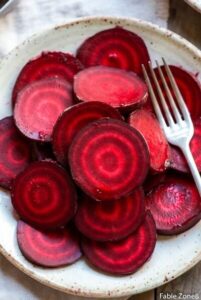
The Rising Importance of Beetroot in Modern Nutrition
Beetroot has shifted from being a humble, often overlooked root vegetable to a widely studied functional food with significant physiological effects. Once associated mainly with traditional dishes or pickled side servings, it is now recognized in nutritional science for its unique ability to influence blood flow, cardiovascular function, exercise performance, and metabolic health.
This transformation in reputation is largely due to advances in research on dietary nitrates and plant-based bioactive compounds. Scientists have discovered that beetroot is one of the richest natural sources of inorganic nitrates, which the body can convert into nitric oxide—a signaling molecule essential for vascular health and cellular efficiency.
Unlike many nutritional trends driven by marketing, beetroot’s benefits are grounded in measurable biological mechanisms. Its effects are not based on stimulation or artificial enhancement but on supporting processes already present in the human body.
How Beetroot Improves Blood Flow Through Nitric Oxide
One of the most important discoveries about beetroot is its role in supporting nitric oxide production. When consumed, dietary nitrates in beetroot are converted by oral bacteria into nitrites and then into nitric oxide within the body.
Nitric oxide has a powerful effect on blood vessels. It relaxes and widens them in a process known as vasodilation. This allows blood to flow more easily, reducing resistance within the cardiovascular system. As a result, the heart does not need to work as hard to circulate oxygen and nutrients.
This improved circulation has several downstream effects:
- Reduced blood pressure in many individuals
- Improved oxygen delivery to muscles and organs
- Enhanced endurance and physical performance
- Better cognitive function due to increased cerebral blood flow
For individuals with elevated blood pressure, beetroot may offer modest but meaningful support as part of a balanced diet. It is not a replacement for medication, but it can complement heart-healthy lifestyle choices.
Cardiovascular Health and Long-Term Heart Support
The cardiovascular benefits of beetroot extend beyond short-term blood flow improvements. Regular consumption has been associated with better endothelial function—the health of the inner lining of blood vessels.
Healthy endothelial cells help regulate blood clotting, vessel dilation, and immune responses. When these cells function properly, the risk of cardiovascular disease is reduced.
Beetroot’s potassium content also contributes to heart health by helping regulate fluid balance and counteracting the effects of excess sodium in the diet. This mineral balance is essential for maintaining stable blood pressure over time.
Additionally, beetroot contains folate, which supports homocysteine regulation. Elevated homocysteine levels are considered a risk factor for heart disease, making folate an important protective nutrient.
Exercise Performance and Athletic Endurance
One of the most well-documented effects of beetroot consumption is its impact on exercise performance. Athletes and active individuals often use beetroot juice or powder as a natural performance enhancer.
The mechanism again relates to nitric oxide and oxygen efficiency. By improving blood flow and reducing oxygen cost during physical activity, beetroot allows muscles to perform more efficiently.
This can lead to:
- Increased stamina during endurance exercise
- Delayed onset of fatigue
- Improved time-to-exhaustion in aerobic activity
- More efficient energy use at the cellular level
Interestingly, the benefits are often more pronounced in endurance sports such as running, cycling, and rowing rather than short bursts of high-intensity activity.
Even non-athletes may notice subtle improvements in daily energy levels, particularly when beetroot is consumed consistently.
Brain Health and Cognitive Function
The brain is highly dependent on oxygen and nutrient supply. Because beetroot enhances circulation, it may indirectly support cognitive performance.
Improved blood flow to the frontal lobe and other brain regions has been associated with better mental clarity, focus, and reaction time in some studies involving dietary nitrates.
This effect becomes increasingly relevant with age, as vascular efficiency naturally declines over time. Supporting blood flow through diet may help maintain cognitive sharpness and reduce age-related mental fatigue.
While beetroot is not a treatment for neurological conditions, its vascular benefits contribute to overall brain health as part of a broader dietary pattern.
Digestive Health and the Role of Fiber
Beetroot is also valuable for digestive health due to its fiber content. It contains both soluble and insoluble fiber, each playing distinct roles in gastrointestinal function.
Soluble fiber helps slow digestion and stabilize blood sugar levels. It also supports beneficial gut bacteria by serving as a prebiotic food source. Insoluble fiber adds bulk to stool and supports regular bowel movements.
Together, these fibers contribute to:
- Improved digestive regularity
- Reduced bloating and discomfort
- Enhanced gut microbiome diversity
- Better blood sugar control after meals
A healthy gut microbiome is increasingly recognized as central not only to digestion but also to immune health, inflammation regulation, and even mood balance through the gut-brain axis.
Anti-Inflammatory and Antioxidant Power of Betalains
The deep red-purple color of beetroot comes from compounds called betalains. These are powerful antioxidants with anti-inflammatory properties.
Chronic inflammation is linked to many modern health conditions, including heart disease, diabetes, and metabolic syndrome. Antioxidants help counteract oxidative stress caused by free radicals, which can damage cells over time.
Betalains may support:
- Reduced inflammatory markers in the body
- Protection of cellular structures from oxidative damage
- Support for liver detoxification pathways
- Improved recovery after physical stress
Unlike extreme detox approaches, beetroot supports the body’s natural detoxification systems gently and consistently.
The liver, in particular, benefits from improved antioxidant support, allowing it to process toxins more efficiently.
Metabolic Health and Blood Sugar Regulation
Beetroot contains natural sugars, but its fiber content helps regulate how those sugars are absorbed. This leads to a slower release of glucose into the bloodstream compared to refined carbohydrates.
As a result, beetroot may help:
- Prevent rapid blood sugar spikes
- Improve insulin sensitivity when part of a balanced diet
- Support sustained energy levels throughout the day
This makes it a useful food for individuals seeking stable energy rather than quick highs and crashes.
However, portion size matters, especially for those managing blood sugar conditions. Whole beets are generally preferable to beet juice because fiber is retained.
Skin Health and Cellular Vitality
Improved circulation and reduced inflammation can also influence skin appearance. Better blood flow delivers more oxygen and nutrients to skin cells, supporting repair and regeneration.
Antioxidants in beetroot may help reduce oxidative stress, which contributes to premature aging. Over time, this can support:
- A more even skin tone
- Reduced dullness
- Improved natural radiance
- Better hydration at the cellular level
While not a cosmetic treatment, beetroot contributes indirectly to skin health through internal physiological improvements.
Safe Consumption and Potential Risks
Despite its benefits, beetroot is not without considerations. Moderation and awareness are important.
Some individuals may experience beeturia, a harmless condition where urine or stool temporarily turns reddish after consumption. This is due to betalain pigments and is not dangerous.
However, there are a few precautions:
- Beetroot is relatively high in oxalates, which may contribute to kidney stone formation in susceptible individuals
- Beet juice can raise blood sugar more quickly than whole beets due to lack of fiber
- Those taking blood pressure medication should monitor intake to avoid additive effects
- Excessive consumption may cause mild digestive discomfort in sensitive individuals
These risks do not outweigh the benefits for most people, but they highlight the importance of balanced intake.
Best Ways to Eat Beetroot
Beetroot is versatile and can be incorporated into meals in many ways:
- Roasted as a side dish with olive oil and herbs
- Grated raw into salads for crunch and sweetness
- Blended into smoothies with berries or citrus
- Added to soups such as traditional beet-based broths
- Juiced (preferably combined with fiber-rich foods)
- Pickled for longer shelf life and tangy flavor
Combining beetroot with vitamin C-rich foods like citrus or peppers can enhance iron absorption.
Practical Daily Use and Timing
For general health, moderate daily or near-daily consumption is often sufficient. This might include one small beet, a serving of salad, or a glass of diluted juice.
For athletic performance, beetroot juice is often consumed 2–3 hours before exercise to allow nitrate conversion and nitric oxide production to peak.
Consistency matters more than large doses. Benefits accumulate over time rather than appearing instantly.
Myths and Misconceptions
Several myths surround beetroot:
- It is not a miracle cure for disease
- It does not replace medical treatment for hypertension or heart conditions
- Its benefits are supportive, not transformative in isolation
- “Detox” claims are overstated; the liver already performs detoxification naturally
Understanding beetroot as a supportive food rather than a cure-all helps set realistic expectations.
Long-Term Health Perspective
The true value of beetroot lies in cumulative, long-term effects. It is not a quick fix but a steady contributor to cardiovascular, metabolic, and digestive health.
Over time, consistent consumption may help:
- Maintain healthier blood pressure levels
- Support sustained energy and endurance
- Improve vascular efficiency
- Enhance digestive regularity
- Reduce chronic inflammatory load
These changes are subtle but meaningful, especially when combined with an overall balanced diet and active lifestyle.
Final Reflection
Beetroot represents a shift in how we understand nutrition—not as isolated nutrients or short-term interventions, but as ongoing support for the body’s natural systems.
Its benefits are not dramatic in isolation, but they become powerful through consistency. Improved circulation, better oxygen use, reduced inflammation, and digestive support all work together to enhance overall well-being.
In a world focused on quick results, beetroot stands out as a reminder that health is built gradually. Through simple, everyday choices, it is possible to strengthen the body in quiet but meaningful ways.
The “beetroot upgrade” is ultimately not about transformation overnight—it is about long-term resilience, supported by one of nature’s most scientifically interesting root vegetables.