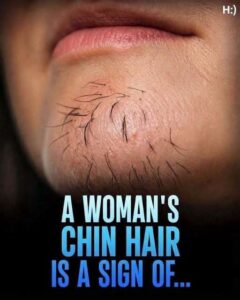
Chin hair is a completely natural feature that can appear in both men and women, although its thickness, color, and visibility vary greatly from person to person. These differences are largely influenced by genetics, hormones, age, and the natural hair growth cycle. Hormones known as androgens, including testosterone, play a major role in determining how noticeable facial hair becomes throughout different stages of life.
Hair itself grows through a repeating cycle made up of three distinct phases. During the active growth stage, follicles receive nutrients that allow hair to grow longer and stronger. This is followed by a brief transition before the hair enters a resting period and eventually falls out, making room for new growth. However, several other factors can dramatically change how chin hair develops over time.
Understanding Why Chin Hair Grows
Chin hair develops from hair follicles located beneath the skin. These tiny structures produce hair using nutrients supplied through the bloodstream. Although everyone has facial hair follicles, the thickness and visibility of the hair they produce depend on several biological factors.
Androgens are particularly important in facial hair development. During puberty, rising androgen levels stimulate certain facial hair follicles, causing fine, light-colored hairs to become thicker, darker, and more noticeable. This process is common in men, but women also naturally produce androgens in smaller amounts.
The sensitivity of individual hair follicles to hormones is just as important as hormone levels themselves. Two people with similar hormone levels may experience very different amounts of chin hair because their follicles respond differently to androgens.
Genetics also plays a significant role. If close family members naturally have noticeable facial hair, you may be more likely to experience a similar pattern. Your inherited characteristics can influence hair density, color, texture, and the areas where hair grows.
The Role of Hormones in Chin Hair Growth
Hormones help regulate many bodily functions, including hair growth. Testosterone and other androgens can stimulate facial hair follicles, while hormonal changes throughout life may influence how much hair becomes visible.
In women, chin hair may become more noticeable during perimenopause and menopause. As estrogen levels decline, the balance between estrogen and androgens changes, sometimes making existing facial hair more prominent. This can be a normal part of aging and does not automatically indicate a medical problem.
However, sudden or excessive chin hair growth may sometimes be associated with an underlying hormonal condition. One example is polycystic ovary syndrome (PCOS), which can involve elevated androgen levels, irregular menstrual periods, acne, and increased facial or body hair.
Not everyone with PCOS experiences the same symptoms, and chin hair alone is not enough to diagnose the condition. If facial hair develops rapidly or appears alongside other unusual symptoms, consulting a healthcare professional can help identify the cause.
How the Hair Growth Cycle Works
Every hair follicle follows a natural growth cycle. Understanding this process explains why chin hair continues to return even after removal.
1. Anagen: The growth phase
During this stage, the follicle actively produces hair. The length of the growth phase varies depending on the body area and individual characteristics. Hormones and genetics influence how thick and visible the hair becomes.
2. Catagen: The transition phase
During catagen, active growth slows and the follicle begins to shrink. This stage is relatively brief and prepares the hair for the resting phase.
3. Telogen: The resting phase
The follicle rests while the existing hair remains in place for a period of time. Eventually, the hair sheds, and the follicle can begin another growth cycle.
Because different follicles are in different stages at any given moment, chin hair does not all grow or fall out simultaneously. This is one reason facial hair may appear uneven or return at different rates after removal.
Common Myths About Chin Hair
Several misconceptions surround chin hair, especially when it comes to shaving and hair removal.
One common myth is that shaving makes hair grow back thicker, darker, or faster. In reality, shaving cuts the hair at the skin’s surface without changing the follicle beneath it. The blunt tip of a newly shaved hair can feel coarser as it grows out, creating the impression that the hair has become thicker.
Another misconception is that women who develop chin hair necessarily have a hormonal disorder. A small amount of facial hair can be completely normal and may reflect genetics, age, or natural differences in follicle sensitivity.
It is also important to understand that removing chin hair does not permanently stop its growth. Shaving, tweezing, and waxing remove hair temporarily, but the follicle usually remains capable of producing another hair.
Effective Ways to Manage Chin Hair
The best hair removal method depends on your skin sensitivity, hair thickness, budget, and personal preferences.
Shaving: Shaving is quick, inexpensive, and generally suitable for regular maintenance. Use a clean razor and gentle shaving product to reduce irritation. Shaving does not increase hair growth, although frequent shaving may cause razor bumps or ingrown hairs in some people.
Tweezing: Tweezing removes individual hairs from the root and can be useful when only a few chin hairs are present. However, repeated plucking may cause irritation, ingrown hairs, or small areas of inflammation. Clean tweezers and avoid digging into the skin.
Waxing: Waxing removes multiple hairs at once and can provide smoother skin for longer than shaving. It may cause temporary redness and is not suitable for every skin type, particularly skin that is irritated or using certain topical medications.
Depilatory creams: These products dissolve hair near the skin’s surface. Only use products specifically labeled for facial use, follow the instructions carefully, and perform a patch test first. Never use body hair removal products on the face unless their labeling specifically permits it.
Laser hair reduction: Laser treatments target pigment in hair follicles and can provide long-lasting hair reduction after multiple sessions. Results depend on hair color, skin tone, the equipment used, and individual response. Professional assessment helps determine the safest and most effective approach.
Electrolysis: Electrolysis treats individual follicles with an electrical current and can provide permanent hair removal when properly performed. It can work across different hair colors, including light-colored hairs that lasers may not effectively target, but treatment can require multiple appointments.
When Should You Seek Medical Advice?
Occasional chin hairs are common and usually do not require medical treatment. Nevertheless, a sudden increase in facial hair or the appearance of thick, coarse hairs over a relatively short period deserves attention.
Consider speaking with a healthcare professional if increased chin hair occurs alongside irregular periods, persistent acne, scalp hair thinning, or other changes that could suggest a hormonal imbalance. Rapid hair growth accompanied by a deeper voice or other signs of increased androgen activity should be evaluated promptly.
A clinician may review your medical history, examine your symptoms, and recommend hormone testing or other investigations when appropriate. Treatment depends on the underlying cause and may include prescribed medication, cosmetic hair removal, or a combination of approaches.
Final Thoughts
Chin hair is a normal part of human biology, shaped by genetics, hormones, age, and the natural hair growth cycle. Although its appearance can sometimes feel frustrating, it is not automatically a sign of poor health or a hormonal problem.
Understanding why chin hair grows makes it easier to choose a suitable management method. From simple shaving and tweezing to professional laser treatments and electrolysis, several options are available to meet different needs.
Most importantly, managing chin hair is a personal choice. Whether you prefer to remove it or leave it natural, the best approach is one that supports your comfort, skin health, and confidence.