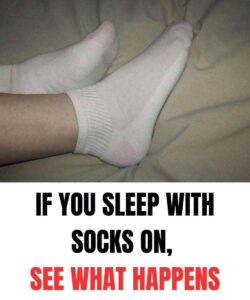
Wearing socks around the house may seem like a small, ordinary habit, but as people grow older, it can become an important part of everyday comfort and foot care. Aging brings natural changes to the skin, circulation, temperature regulation, and balance. These changes can make the feet more sensitive to cold, more vulnerable to minor injuries, and sometimes less reliable when walking across slippery surfaces.
For older adults, choosing the right socks can help keep the feet comfortable, protect delicate skin, and support a safer daily routine. However, socks are not all alike. Their material, fit, thickness, and grip can affect whether they provide useful protection or create additional risks.
Understanding when socks help, which types are most suitable, and when extra precautions are needed can make a meaningful difference in maintaining comfort and independence at home.
1. Keeping Feet Warm and Comfortable
One of the simplest benefits of wearing socks indoors is helping the feet stay warm. Cold floors can be uncomfortable, particularly during winter, and some older adults notice that their feet feel colder than they did earlier in life.
Age-related changes in circulation, reduced activity, and certain medical conditions can contribute to this sensation. Soft socks provide an insulating layer that helps retain warmth and makes walking around the home more comfortable.
Materials such as wool, cotton blends, and breathable synthetic fabrics can all be suitable, depending on personal preference and the temperature indoors. Wool may offer useful insulation in colder weather, while lightweight, breathable materials can be more comfortable in warmer rooms.
The fit matters, too. Socks should feel comfortable without squeezing the toes or leaving deep marks around the ankles.
Persistent coldness should not automatically be dismissed as a normal part of aging. If cold feet occur alongside pain, numbness, unusual skin discoloration, or wounds that heal slowly, a healthcare professional should assess the symptoms.
2. Supporting Better Sleep at Night
Some older adults find it difficult to fall asleep comfortably, especially when their feet feel cold.
Research suggests that warming the feet can encourage blood vessels near the skin to widen, helping the body release heat in ways associated with the natural process of falling asleep. For some people, wearing lightweight socks in bed may therefore make it easier to feel comfortable at bedtime.
The key is choosing socks that are breathable, dry, and not excessively tight. Thick socks that cause sweating or overheating may have the opposite effect.
Socks are not a guaranteed solution for insomnia, and they will not improve sleep for everyone. Maintaining a consistent bedtime, keeping the bedroom comfortable, and limiting stimulating activities before bed may also help.
If sleep problems persist, interfere with daytime activities, or occur alongside other concerning symptoms, discussing them with a healthcare professional is advisable.
Older adults who experience frequent nighttime leg cramps should also avoid assuming that cold feet are the only cause. Repeated or severe cramps may have several explanations and deserve appropriate attention.
3. Protecting Fragile Skin From Minor Injuries
As people age, their skin may become thinner, drier, and more susceptible to irritation. Even small scratches, blisters, or cracks can become troublesome, especially when a person has reduced sensation in their feet.
Wearing socks creates a soft barrier between the skin and certain environmental irritants. They can reduce friction from footwear, help keep dust away from the skin, and provide a little cushioning during everyday activities.
However, socks cannot prevent every injury. Rough flooring, sharp objects, poorly fitting shoes, and unnoticed pressure points can still cause damage.
A good foot-care routine should include checking the feet regularly for redness, swelling, cuts, blisters, cracks, or changes in skin color. Keeping the skin moisturized can also help prevent excessive dryness, although moisturizer should generally not be applied between the toes if moisture tends to collect there.
People living with diabetes, nerve damage, or circulation problems need particular care because they may not notice injuries immediately. Any new wound, spreading redness, unusual warmth, swelling, or signs of infection should be assessed promptly.
4. Choosing Socks That Support Safer Walking
Not every sock is suitable for walking around the house. Ordinary socks can slide across smooth flooring, including hardwood, polished tile, and laminate.
For older adults who are unsteady on their feet, this can increase the risk of slipping.
Non-slip socks with properly designed rubber grips on the soles may provide additional traction on some indoor surfaces. They can be useful when relaxing at home, but their effectiveness depends on the grip pattern, the condition of the socks, and the flooring.
Worn-out grips, loose fabric, or socks that bunch beneath the toes can reduce stability.
It is important to remember that grip socks are not a complete fall-prevention solution. For people with balance difficulties, well-fitting shoes with nonslip soles may provide more dependable support than socks alone.
A safer home environment also matters. Removing loose rugs, improving lighting, keeping walkways clear, and installing appropriate handrails can help reduce fall risks.
Anyone who experiences repeated falls, dizziness, or increasing difficulty walking should discuss these problems with a healthcare professional.
5. Avoiding Socks That Are Too Tight
Although socks can improve comfort, excessively tight pairs may cause problems.
Tight elastic bands can leave uncomfortable marks and may irritate sensitive skin. People with swollen feet or ankles may find restrictive socks particularly uncomfortable.
Those with circulation disorders, diabetes, or reduced sensation should pay close attention to fit and avoid socks that compress the feet unless compression has been recommended by a qualified healthcare professional.
Compression socks are different from ordinary socks. They are designed to apply graduated pressure and may be prescribed for particular medical reasons. They are not automatically appropriate for everyone, particularly people with certain arterial circulation problems.
Look for socks with comfortable, nonrestrictive cuffs, smooth seams, and enough room for the toes to move naturally. If swelling is persistent or one foot suddenly becomes more swollen than the other, medical advice is important rather than simply changing sock styles.
6. Keeping Feet Dry and Hygienic
Warmth is useful, but excessive moisture can make the skin more vulnerable to irritation and fungal infections.
Feet naturally sweat, even when someone is resting indoors. Socks that remain damp can create an uncomfortable environment, especially between the toes.
Changing socks daily, or more often when they become wet, helps maintain cleanliness. Breathable materials can improve comfort, and socks should be washed regularly according to their care instructions.
After bathing, gently dry the feet, paying particular attention to the spaces between the toes.
Older adults should also check for persistent itching, peeling skin, unusual odors, or changes in the toenails. These symptoms may indicate a problem that requires treatment.
For people with diabetes or reduced sensation, daily foot inspections are especially important because moisture-related skin damage may develop without causing much discomfort.
7. Making Socks Part of a Healthy Daily Routine
The best approach is to choose socks according to individual needs rather than assuming that one type works for everyone.
For cold feet, warm and breathable socks may improve comfort. For sensitive skin, smooth seams and soft fabrics may reduce irritation. For people concerned about slipping, suitable nonslip socks may help, although supportive footwear and home safety measures remain essential.
It is also worth remembering that walking barefoot is not necessarily dangerous for every healthy adult. The most appropriate choice depends on the person’s balance, skin condition, sensation, home environment, and medical history.
A simple daily routine can include checking the feet, putting on clean and comfortable socks when needed, choosing suitable footwear for walking, and watching for changes that require medical attention.
Final Thoughts
Wearing socks at home may seem like a minor decision, but the right pair can contribute to warmth, comfort, and everyday foot protection as people age.
The most important factors are proper fit, breathable materials, good hygiene, and appropriate traction when walking. Socks should never be so tight that they cause discomfort, and ordinary socks should not be relied upon to prevent falls on slippery floors.
For older adults, taking care of the feet is part of protecting overall mobility and independence. Small habits, combined with regular foot checks and a safer home environment, can help make everyday life more comfortable.
Ultimately, the goal is not simply to keep the feet warm. It is to choose practical habits that support comfort, safety, and confidence at every stage of life.