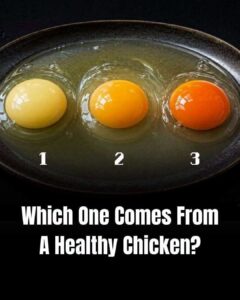
Have you ever cracked open an egg and noticed that its yolk was a deep, beautiful orange color? Perhaps you immediately thought it came from a healthier chicken and contained more nutrients than the pale yellow eggs sitting beside it.
Many people believe that darker egg yolks automatically mean better quality, better nutrition, and healthier chickens.
But is that really true?
The answer might surprise you.
Although yolk color can reveal something about what a chicken eats, it does not necessarily tell you whether the egg is healthier or more nutritious. In fact, two eggs with completely different yolk colors can offer very similar nutritional benefits.
Understanding what causes these color differences can help you make smarter decisions when buying eggs for your family.
1. Why Are Some Egg Yolks Dark Orange?
The color of an egg yolk is mainly influenced by the pigments present in a hen’s diet.
These natural pigments are called carotenoids and xanthophylls. They are found in many plants, vegetables, and other feed ingredients.
When chickens consume foods containing these pigments, some of them accumulate in the yolk, creating different shades of yellow and orange.
For example, hens that eat diets containing plenty of green plants may produce eggs with richer-colored yolks.
Common sources of natural pigments include:
-
Grass and green leafy plants.
-
Alfalfa.
-
Marigold petals.
-
Corn containing natural yellow pigments.
-
Certain vegetables and plant-based feed ingredients.
The more of certain pigments the hen consumes, the more noticeable their influence may become in the yolk.
This explains why eggs from different farms can look dramatically different even when they are equally fresh.
2. Does an Orange Yolk Mean the Chicken Was Healthier?
Not necessarily.
A deep orange yolk may suggest that the hen consumed more pigment-rich ingredients, but it cannot independently establish the overall health of the chicken.
A chicken’s health depends on several factors, including its nutrition, living conditions, access to clean water, disease prevention, and general care.
A hen can produce a beautifully orange yolk because of carefully formulated commercial feed.
Likewise, a healthy chicken eating a different balanced diet may produce eggs with lighter yellow yolks.
This is why judging a chicken’s health by the appearance of its eggs can be misleading.
A darker yolk is not a medical certificate for the hen.
3. Can Feed Additives Make Egg Yolks Orange?
Yes.
One interesting fact about egg production is that farmers can influence yolk color through carefully selected feed ingredients.
Some commercial feeds contain natural or approved supplemental pigments that help create a richer yellow or orange appearance.
These ingredients may include marigold-derived pigments and other carotenoid sources.
This means that a bright orange yolk does not automatically prove that a chicken spent its days outdoors eating fresh grass.
The appearance could result from the hen’s formulated diet.
Similarly, a pale yolk does not automatically mean the chicken received poor-quality food.
Yolk color is influenced by nutrition, but it should never be treated as the only measure of farming quality.
4. Are Dark Orange Eggs More Nutritious?
This is where many people misunderstand the relationship between yolk color and nutrition.
Eggs contain several important nutrients, regardless of whether their yolks are pale yellow or deep orange.
These include:
-
Protein: Helps maintain and repair muscles and other body tissues.
-
Vitamin B12: Supports normal nerve function and red blood cell production.
-
Vitamin D: Helps the body absorb calcium and maintain healthy bones.
-
Choline: Supports normal brain function and other important bodily processes.
-
Selenium: Contributes to normal immune and thyroid function.
-
Vitamin A: Supports normal vision and immune function.
The amount of these nutrients can vary depending on the hen’s diet and other production factors.
However, yolk color alone cannot reliably tell you how much protein, vitamin D, or other nutrients an egg contains.
Two eggs that look completely different may have very similar nutritional profiles.
Some specially produced eggs can contain higher levels of particular nutrients because of their feed, but that difference needs to be established through nutritional information rather than appearance.
5. What Does a Pale Yellow Yolk Tell You?
A pale yellow yolk is not automatically a sign of an unhealthy chicken or an inferior egg.
It may simply indicate that the hen consumed feed containing fewer pigments.
For example, some grain-based diets produce lighter-colored yolks than diets containing more green plants or pigment-rich ingredients.
This does not mean the egg is unsuitable for eating.
A pale yolk can still contain valuable protein, vitamins, minerals, and healthy fats.
The important thing is to avoid confusing appearance with nutritional quality.
If you prefer pale yolks, there is no reason to assume you are choosing an inferior product.
6. What Other Signs Should You Look for When Buying Eggs?
Instead of concentrating exclusively on yolk color, consider several other factors when choosing eggs.
Freshness
Check the packaging date, best-before information, and storage conditions. Freshness is important for both quality and food safety.
Clean, undamaged shells
Avoid eggs with cracked or leaking shells. Damage can increase the risk of contamination.
Proper refrigeration
Follow local food-storage guidance and keep eggs refrigerated when required. Avoid purchasing eggs that have been stored improperly.
Farming information
Labels describing free-range, organic, or other production methods can provide information about how the eggs were produced. However, these labels do not guarantee that every nutritional measurement will be higher.
Reliable producers
Choose eggs from reputable suppliers who follow appropriate hygiene, handling, and food-safety standards.
These details provide much more useful information than yolk color alone.
7. Does the Color of the Eggshell Matter?
Another common misconception concerns eggshell color.
Some people believe brown eggs are healthier than white eggs, while others think white eggs are cleaner or more natural.
In reality, eggshell color is primarily determined by the breed of the chicken.
Some breeds naturally produce white eggs, while others lay brown, blue, or greenish eggs.
The shell color does not automatically determine the egg’s nutritional value.
A brown egg and a white egg can provide very similar amounts of protein, fat, vitamins, and minerals.
The same principle applies to yolk color: appearance alone cannot tell you everything about quality.
8. Why Do Some Farmers Prefer Darker Yolks?
Darker yolks are often popular because consumers associate them with traditional farming, fresh eggs, and chickens that spend time outdoors.
For some shoppers, a rich orange yolk simply looks more appealing.
It can also create a more attractive appearance in dishes such as fried eggs, omelets, and homemade pastries.
Because of these preferences, some farmers deliberately select feed ingredients that produce richer yolk colors.
However, producing an attractive yolk and producing a nutritionally superior egg are not necessarily the same thing.
A beautiful orange yolk may be exactly what a customer prefers, but it should not be considered proof of better farming practices.
9. How Should You Store Eggs at Home?
Even a high-quality egg can become unsafe if it is stored incorrectly.
Proper storage helps maintain freshness and reduces the risk of foodborne illness.
Here are some useful habits:
-
Keep eggs refrigerated according to local food-safety recommendations.
-
Store them in their original carton to protect them and keep important date information available.
-
Avoid leaving eggs at room temperature for extended periods.
-
Keep cracked eggs separate from other foods.
-
Wash your hands after handling raw eggs.
-
Cook eggs thoroughly, especially when serving young children, older adults, pregnant people, or anyone with a weakened immune system.
Remember that an egg’s yolk color cannot tell you whether it contains harmful bacteria.
Food safety depends on proper handling, storage, and cooking.
10. So, Which Egg Should You Choose?
If you are standing in a grocery store comparing eggs with pale yellow and deep orange yolks, there is no need to automatically choose the darker ones.
Both can be nutritious options.
If you want to know more about how the chickens were raised, examine the production information on the packaging.
If nutritional differences are important to you, compare the available nutritional information rather than relying on color.
And if you simply prefer the appearance of orange yolks, there is nothing wrong with choosing them for that reason.
The important thing is understanding what you are actually buying.
The Final Truth About Egg Yolk Colors
The next time you crack open an egg and discover a bright orange yolk, remember that its color mainly reflects the pigments in the hen’s diet.
It does not automatically mean the chicken was healthier, the egg contains more protein, or the product is safer to eat.
Likewise, a pale yellow yolk should not be dismissed as poor quality.
A healthy hen can produce eggs with different yolk shades depending on what it eats.
The real secret to choosing good eggs isn’t finding the darkest yolk. It’s paying attention to freshness, safe handling, reliable production, and the overall quality of the food.
Sometimes, the most important qualities of an egg are the ones you cannot see just by looking at it.