Summer is often associated with sunshine, warm evenings, gardening, family gatherings, and more time spent outdoors. But as temperatures rise, certain insects become more active, creating health risks that many people may not recognize.
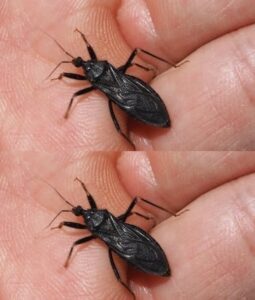
Among them is a group of insects known as assassin bugs, particularly species commonly called kissing bugs.
Although they may look relatively harmless, some kissing bugs can carry a parasite responsible for Chagas disease, an infection that can cause serious health complications if left untreated.
What makes this threat especially concerning is that many people do not immediately recognize the insect, notice its bite, or realize that an infection may have occurred.
Understanding where these insects live, how Chagas disease spreads, and what precautions to take can help protect your household during warmer months.
1. What Are Assassin Bugs?
<AsyncImageGroup query={[“triatomine kissing bug insect close up photograph”,”triatomine bug side view scientific identification”,”kissing bug insect on outdoor wooden surface”]} aspectRatio=”5:4″ layout=”bento”/>
Assassin bugs belong to the family Reduviidae, a large group of insects found in different parts of the world.
Most assassin bugs are predators that feed on other insects. However, a particular subgroup called triatomine bugs is medically important because some species can transmit the parasite Trypanosoma cruzi.
These insects are commonly known as kissing bugs because they sometimes bite people around the face, particularly near the mouth and eyes.
They are generally active at night and may hide during the daytime in cracks, sheltered spaces, and places where animals or people sleep.
Not every assassin bug is a kissing bug, and not every kissing bug carries the parasite.
Knowing the difference is important because frightening-looking insects are not automatically dangerous.
2. How Does Chagas Disease Spread?
Chagas disease is caused by the parasite Trypanosoma cruzi.
One important detail is that infection does not usually happen simply because a kissing bug bites someone.
The parasite is commonly found in the insect’s feces. After feeding, an infected bug may defecate near the bite. If contaminated material enters the body through the bite wound, scratched skin, or the eyes or mouth, infection can occur.
This is why avoiding contact with suspected kissing bugs is important.
Chagas disease can also spread through other routes, including:
- Transmission from an infected mother to her baby during pregnancy or childbirth.
- Contaminated blood transfusions or organ transplants.
- Consuming food or drinks contaminated with the parasite.
- Accidental exposure in laboratory settings.
The disease is not spread through ordinary casual contact, such as hugging, talking, or sharing a room.
3. Why Summer Can Increase Encounters
<AsyncImage query=”warm summer garden woodpile outdoor porch vegetation” aspectRatio=”16:9″ width=”100%”/>
Warmer weather encourages many insects to become more active.
Depending on the species and geographical location, kissing bugs may be found around:
- Woodpiles and stacked building materials.
- Cracks in walls and foundations.
- Outdoor animal shelters.
- Chicken coops and other animal enclosures.
- Porches, sheds, and storage areas.
- Areas where rodents and other potential animal hosts live.
Some species are attracted to lights at night and may fly toward homes.
Their presence does not automatically mean a property is infested or that anyone has been infected.
Nevertheless, checking outdoor areas and reducing potential hiding places can help limit unwanted encounters.
4. The Symptoms People Should Recognize
One of the difficulties with Chagas disease is that the initial infection may produce few noticeable symptoms.
When symptoms do occur during the acute phase, they can include:
- Fever.
- Headaches.
- Fatigue.
- Muscle aches.
- Swelling near the bite or entry point.
- Swollen lymph nodes.
- Skin changes or rashes.
A characteristic early sign in some cases is swelling around one eye, known as Romaña’s sign, when the parasite enters through the eye area.
However, many infected people experience mild or nonspecific symptoms.
This means that the absence of obvious symptoms does not completely rule out infection.
5. The Hidden Danger: Complications That May Appear Years Later
<AsyncImage query=”medical illustration human heart cardiovascular anatomy” aspectRatio=”16:9″ width=”100%”/>
Perhaps the most concerning feature of Chagas disease is that serious complications may develop many years after the initial infection.
Some people enter a chronic phase without experiencing noticeable health problems.
Others eventually develop complications involving the heart or digestive system.
Cardiac complications can include:
- Abnormal heart rhythms.
- Enlargement of the heart.
- Heart failure.
- Damage to the heart muscle.
- Increased risk of dangerous cardiac complications.
Digestive complications may include enlargement of the esophagus or colon, which can interfere with swallowing and normal bowel function.
Not everyone with Chagas disease develops these problems.
However, early diagnosis matters because medical treatment and appropriate monitoring can help reduce the risk of future complications.
6. Where Should You Look Around Your Home?
<AsyncImage query=”woodpile stacked firewood garden shed exterior house inspection” aspectRatio=”16:9″ width=”100%”/>
If you live in an area where kissing bugs are present, it is sensible to pay attention to sheltered outdoor spaces.
Start by checking areas that provide protection from weather and potential access to animal hosts.
Look around:
- Firewood storage.
- Garden sheds.
- Outdoor furniture.
- Cracks around doors and windows.
- Animal shelters.
- Porches and patios.
- Areas containing accumulated leaves or debris.
Avoid reaching blindly into dark spaces or handling unfamiliar insects.
If you discover a suspected kissing bug, do not crush it with your bare hands. Avoid direct contact with the insect and its waste.
If possible, photograph it safely and contact a local public health department or agricultural extension service for identification instructions.
7. Simple Ways to Reduce the Risk
Protecting your home does not necessarily require expensive equipment.
A few practical maintenance habits can make a difference.
Keep outdoor spaces organized.
Remove unnecessary clutter, fallen leaves, and debris that can provide hiding places for insects and other pests.
Store firewood carefully.
Keep woodpiles organized and, where practical, away from the house.
Seal openings.
Repair cracks around windows, doors, foundations, and exterior walls. Install suitable screens where necessary.
Maintain animal shelters.
Keep chicken coops, pet sleeping areas, and other animal enclosures clean and well maintained.
Reduce unnecessary outdoor lighting.
Because some kissing bugs are attracted to lights, consider using appropriate outdoor lighting and keeping unnecessary lights switched off at night.
Inspect sleeping areas.
If you live in a region where these insects are common, check window screens and sleeping areas for insects that may have entered the home.
These precautions can help reduce insect exposure, although they cannot guarantee that kissing bugs will never enter a property.
8. What Should You Do If You Find a Kissing Bug?
Finding a suspicious insect can be unsettling, but panic is unnecessary.
The first step is to avoid touching it directly.
If possible, take a clear photograph from a safe distance.
Local health authorities may be able to identify the insect and explain whether it belongs to a medically important species.
If an insect needs to be collected for identification, follow the instructions provided by the relevant public health authority.
If you believe you have been bitten, wash the affected area with soap and water.
Do not assume that every bite means you have contracted Chagas disease.
However, if you suspect exposure to a kissing bug, contact a healthcare professional and explain what happened. They can determine whether testing is appropriate.
Seek urgent medical attention if you experience severe symptoms, including chest pain, difficulty breathing, fainting, or significant heart-related symptoms.
9. Who Is Most at Risk?
Chagas disease is particularly associated with parts of Latin America, where certain triatomine species have historically transmitted the parasite.
However, infections have also been identified in other countries, including the United States.
The level of risk varies significantly depending on location, insect species, housing conditions, and exposure.
People living in areas where infected kissing bugs are established may face greater opportunities for exposure.
Infants born to infected mothers also require particular attention because congenital transmission is possible.
Anyone with a relevant exposure history should discuss appropriate testing with a healthcare professional.
10. Can Chagas Disease Be Treated?
Yes.
Antiparasitic medications, particularly benznidazole and nifurtimox, are used to treat Chagas disease.
Treatment is generally most effective when infection is identified early.
Doctors consider several factors when deciding on treatment, including the patient’s age, pregnancy status, stage of infection, and overall health.
People with chronic disease may also need regular monitoring for heart or digestive complications.
Treatment decisions should always be made with qualified medical professionals.
The important message is that Chagas disease is not something people should attempt to diagnose or treat themselves.
A Small Insect, A Serious Reason to Stay Informed
Summer should be a time to enjoy gardens, outdoor activities, and evenings with family.
Learning about kissing bugs does not mean you need to become frightened of every insect you encounter.
Most insects around homes are not capable of transmitting Chagas disease, and not every kissing bug carries the parasite.
But understanding the risks allows you to make better decisions.
Keep outdoor spaces maintained, repair openings around your home, avoid handling unfamiliar insects, and seek medical advice if you suspect exposure.
Most importantly, remember that Chagas disease can remain unnoticed for years.
Recognizing possible exposure and obtaining appropriate medical evaluation can make a meaningful difference.
Sometimes, protecting your family begins with noticing the small things hiding in familiar places.