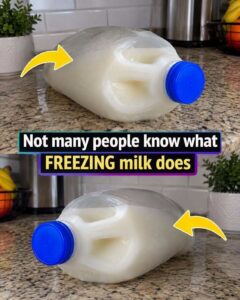
Milk is one of the most commonly purchased groceries in many households. Whether you use it for breakfast, coffee, baking, cooking, or preparing smoothies, it is something many families want to have available every day. However, buying milk in larger quantities can sometimes create a problem: what happens when you cannot finish it before it expires?
Instead of pouring leftover milk down the drain, there is a simple solution worth considering. You can freeze milk and save it for later.
Freezing milk is an easy way to extend its storage life, reduce food waste, and make better use of your grocery budget. However, there are a few important steps you should follow to maintain its quality and avoid common storage mistakes.
1. Can You Really Freeze Milk?
Yes! Most types of milk can be frozen, including whole milk, reduced-fat milk, and skim milk.
Freezing slows down the growth of microorganisms responsible for food spoilage, helping preserve milk for longer. However, it does not permanently prevent spoilage or make milk safe indefinitely.
One thing to understand is that freezing may change the texture of milk.
After thawing, some milk may appear separated, with watery liquid and thicker components forming different layers. This happens because freezing can affect the distribution of fat and other components.
Fortunately, this separation is usually normal. Shaking the container thoroughly after the milk has completely thawed can help restore a more consistent appearance.
Although the texture may change slightly, frozen milk is generally suitable for drinking and can also be used in cooking, baking, and other recipes.
2. Leave Enough Space in the Container
One of the biggest mistakes people make when freezing milk is filling the container completely.
Milk expands as it freezes, which means it needs additional room inside its packaging.
If you place a completely full container in the freezer, the expanding liquid can put pressure on the sides and lid. This may cause the container to leak, split, or become damaged.
If you are freezing milk in its original plastic jug, remove approximately one cup before placing it in the freezer, depending on the container size.
Alternatively, transfer the milk into a suitable freezer-safe container and leave enough empty space at the top for expansion.
Never assume that an ordinary glass bottle or jar is suitable for freezing. Glass can crack when liquids expand, creating a mess and potentially causing injuries.
3. Freeze Milk in Smaller Portions
Another useful trick is to divide milk into smaller portions before freezing.
This method is particularly helpful if you regularly use small amounts of milk for coffee, cereal, smoothies, or cooking.
Ice cube trays provide a convenient option.
Simply pour milk into clean ice cube trays, leaving a little room for expansion. Place the trays in the freezer until the milk becomes solid.
Once frozen, transfer the cubes into a clean, freezer-safe bag or container. Remember to label the packaging with the freezing date.
This approach allows you to remove only the amount you need without thawing an entire container.
Smaller portions are also useful when following recipes that require specific measurements.
4. How Long Can You Keep Milk in the Freezer?
For the best quality, it is generally recommended to use frozen milk within approximately three months.
Milk may remain frozen for longer when continuously stored at a safe freezer temperature, but its taste and texture can gradually deteriorate.
For reliable storage, keep your freezer at 0°F (-18°C) or below.
Always write the freezing date on the container so you know how long the milk has been stored.
It is also a good idea to organize your freezer so older containers are used first.
Remember that freezing does not reverse spoilage. Only freeze milk that has been properly refrigerated and is still fresh when you place it in the freezer.
5. The Safest Way to Thaw Frozen Milk
Thawing milk correctly is just as important as freezing it.
The safest method is to transfer the frozen container from the freezer into the refrigerator and allow it to thaw slowly.
Depending on the container size, this may take several hours or overnight.
Avoid leaving frozen milk on the kitchen counter for extended periods. Room-temperature conditions can allow harmful bacteria to multiply.
Never use hot water or direct heat to speed up the thawing process.
Once the milk has thawed completely, shake the container well to redistribute any separated components.
If the milk smells unusual, looks spoiled, or has an unpleasant texture that does not improve after shaking, discard it.
6. Can You Refreeze Milk After Thawing?
Generally, it is best to avoid refreezing milk after it has completely thawed.
Repeated freezing and thawing can negatively affect its texture and quality. It can also create additional food-safety concerns if the milk has spent too much time outside refrigeration.
A better approach is to freeze milk in smaller portions from the beginning.
That way, you can thaw only what you need and avoid unnecessary waste.
If you accidentally thaw more milk than expected, keep it refrigerated and use it promptly, following food-safety recommendations.
7. Which Types of Milk Freeze Best?
Different types of milk may respond differently to freezing.
- Whole milk: Can be frozen, although its higher fat content may make separation more noticeable.
- Reduced-fat milk: Usually freezes well, but the texture may change slightly after thawing.
- Skim milk: Can also be frozen, although some separation may occur.
- Lactose-free milk: Can generally be frozen, but check the manufacturer’s storage recommendations.
- Plant-based milk: Almond, oat, and soy beverages may separate or develop noticeable texture changes after thawing. Check the packaging instructions before freezing.
Regardless of the type, use suitable freezer-safe containers and allow enough room for expansion.
8. How to Use Milk After Freezing
Even if the texture of thawed milk is slightly different, there are plenty of ways to use it.
You can add it to pancake batter, cake mixtures, muffins, sauces, soups, and other cooked recipes.
It can also be used in smoothies or blended drinks, provided it has been thawed safely.
If you notice slight separation, shake the container thoroughly before measuring the milk.
For recipes where texture is especially important, fresh milk may provide better results.
However, frozen and properly thawed milk can be a practical alternative for many everyday kitchen tasks.
9. Common Mistakes to Avoid
To get the best results when freezing milk, remember these important tips:
- Never freeze milk in a completely full container.
- Do not use ordinary glass bottles unless they are specifically freezer-safe.
- Always freeze milk while it is still fresh.
- Label containers with the freezing date.
- Keep your freezer at 0°F (-18°C) or below.
- Thaw milk inside the refrigerator rather than on the kitchen counter.
- Avoid repeatedly freezing and thawing the same milk.
- Shake thawed milk before using it.
These simple precautions can help protect both the quality and safety of your stored milk.
Final Thoughts
Freezing milk is a practical household trick that can help you save money, reduce unnecessary grocery trips, and prevent food waste.
Whether you buy milk in bulk, find a special supermarket offer, or simply have more than your family can drink, freezing can help you keep extra milk available for future use.
The secret is to prepare the container properly, leave room for expansion, freeze smaller portions when possible, and thaw everything safely in the refrigerator.
Although the texture may change slightly, frozen milk can still be useful for drinking and preparing many everyday recipes.
Next time you have extra milk in your refrigerator, think twice before throwing it away. With a little preparation, your freezer can help you make the most of every purchase.