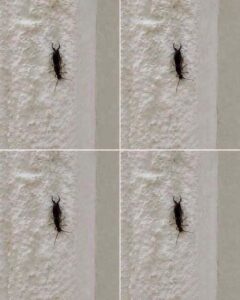
Finding an unfamiliar insect inside your home can be an unsettling experience. You might notice it crawling across the kitchen floor, hiding behind a piece of furniture, resting near a window, or moving along the bathroom wall. Your first reaction may be to wonder where it came from and whether more are hiding somewhere nearby.
Although discovering an unexpected bug can be unpleasant, there is usually no reason to panic. Many insects accidentally enter homes while searching for food, water, warmth, or shelter. Others find their way indoors through small openings around windows, doors, pipes, and ventilation areas.
However, certain insects can reveal useful information about conditions inside your home. Some are attracted to moisture, others seek food sources, and a few may indicate that a particular area needs attention.
Understanding what you have discovered is the first step toward protecting your home.
Why Are Insects Suddenly Appearing Inside Your Home?
Insects enter houses for several reasons, and the explanation is not always a sign of poor cleanliness.
Changes in outdoor temperatures can encourage insects to search for more comfortable environments. During colder months, some species look for sheltered places where they can survive. During warmer periods, insects may enter while searching for water or food.
Your home can provide everything they need.
Kitchens offer crumbs, food packaging, and moisture. Bathrooms often contain damp corners and plumbing areas. Basements, garages, and storage rooms may provide dark spaces where certain insects can hide.
Even a clean home can occasionally attract insects.
Small gaps around windows, damaged door seals, and openings around pipes can create convenient entry points.
That is why identifying the insect is more useful than immediately assuming that your entire home has an infestation.
Five Common Household Insects and What Their Presence Could Mean
Different insects provide different clues about the environment around your home. Here are five common examples worth recognizing.
1. Cockroaches: A Possible Sign of Food or Moisture Access
<AsyncImage query=”cockroach household pest close up realistic photography” aspectRatio=”16:9″ width=”100%”/>
Cockroaches are among the household insects that deserve particular attention.
They are attracted to accessible food, water, and sheltered spaces. Kitchens, bathrooms, cupboards, and areas behind appliances can provide suitable hiding places.
Seeing one cockroach does not automatically prove that an infestation exists. However, repeated sightings, droppings, egg cases, or unusual odors may indicate a larger problem.
To reduce the chances of attracting them:
- Keep food in sealed containers.
- Clean crumbs and food spills promptly.
- Avoid leaving dirty dishes overnight.
- Repair leaking taps and pipes.
- Seal gaps around plumbing and cabinets.
If sightings continue, professional pest-control advice may be helpful.
2. Ants: A Possible Sign of an Accessible Food Source
<AsyncImage query=”small black household ants following trail on kitchen countertop macro photography” aspectRatio=”16:9″ width=”100%”/>
Ants often enter homes looking for food.
A few may appear near a kitchen counter, around a pet’s food bowl, or beside a window. Once an ant discovers an accessible food source, it may leave a chemical trail that helps other ants follow the same route.
This explains why a small number of ants can sometimes become a much larger visible group.
The best response is to identify where they are entering and remove whatever attracts them.
Clean surfaces, store sweet foods securely, and avoid leaving uncovered food on countertops.
If ants repeatedly return, inspect nearby cracks and openings.
3. Silverfish: A Possible Warning About Damp Conditions
<AsyncImage query=”silverfish insect close up metallic silver elongated body macro photography” aspectRatio=”16:9″ width=”100%”/>
Silverfish are small, wingless insects with elongated, silvery bodies and distinctive movements.
They are commonly found in bathrooms, basements, storage areas, and other places where moisture and darkness are present.
These insects feed on materials containing starches and carbohydrates. They may damage books, paper, wallpaper, cardboard, and certain fabrics.
Finding silverfish can be a reason to inspect areas with excessive humidity.
Improve ventilation, repair water leaks, remove unnecessary cardboard storage, and keep vulnerable paper materials in dry containers.
4. Spiders: Often Helpful Visitors
<AsyncImage query=”common house spider on indoor wall close up realistic photography” aspectRatio=”16:9″ width=”100%”/>
Although many people are frightened by spiders, most household species are not dangerous to humans.
Spiders generally enter homes while searching for shelter or prey. They feed on other insects, which means their presence may indicate that smaller insects are available nearby.
A single spider does not necessarily mean your home has a pest problem.
If you find one, you can usually remove it carefully using a suitable container and relocate it outdoors when appropriate.
However, avoid handling unfamiliar spiders directly. If you suspect a medically significant species, seek reliable identification before attempting removal.
5. Houseflies: A Possible Sign of Accessible Organic Material
<AsyncImage query=”common housefly close up macro photography on indoor surface” aspectRatio=”16:9″ width=”100%”/>
Houseflies commonly enter through open windows and doors.
They are attracted to food waste, uncovered food, garbage, and other organic materials.
Because flies can transfer microorganisms between contaminated surfaces and food, it is important to prevent them from landing on uncovered meals.
Keep rubbish bins covered, clean food preparation surfaces, and install suitable window screens.
Repeated fly activity may justify checking garbage storage areas, drains, and other potential breeding locations.
What Should You Do When You Find an Unknown Insect?
The most important thing is to avoid taking action before identifying what you have discovered.
Some insects are harmless, while others may require specific treatment. Using the wrong pesticide can create unnecessary risks for people, pets, and the environment.
Follow these practical steps:
1. Take a clear photograph.
Use your phone to photograph the insect from a safe distance. Try to capture its body shape, color, legs, wings, and approximate size.
2. Observe where you found it.
Was it near a window, inside a cupboard, beside a water source, or around stored food? The location can provide useful clues.
3. Look for additional signs.
Check whether there are more insects, shed skins, droppings, damaged materials, or unusual odors.
4. Remove possible attractants.
Clean food spills, secure rubbish, store groceries properly, and address unnecessary moisture.
5. Seek professional identification when necessary.
If the insect is unfamiliar, appears in large numbers, or may pose a health concern, contact a qualified pest-control professional.
How to Prevent Insects From Returning
Preventing insects is often easier than dealing with an established infestation.
A few consistent household habits can make your home less attractive to unwanted visitors.
- Seal entry points: Repair damaged window screens and close gaps around doors, windows, and pipes.
- Control moisture: Fix leaking plumbing, improve bathroom ventilation, and investigate persistent dampness.
- Store food correctly: Use sealed containers and avoid leaving food exposed overnight.
- Clean regularly: Pay attention to corners, cupboards, areas beneath appliances, and storage spaces.
- Manage rubbish: Empty bins regularly and keep waste containers properly covered.
- Inspect stored items: Check cardboard boxes, furniture, and belongings brought inside from storage areas.
These simple measures can help reduce opportunities for insects to enter, feed, and reproduce.
When Should You Be Concerned?
Not every insect requires professional treatment, but certain warning signs should not be ignored.
Repeated sightings of the same pest, large numbers appearing suddenly, unexplained damage to wooden structures, contamination of stored food, or evidence of nesting may indicate a more serious problem.
Some insects can also cause allergic reactions, painful bites, or damage to household materials.
If you experience an unusual bite or reaction, seek appropriate medical advice rather than assuming which insect caused it.
Likewise, if you discover an insect that could be dangerous, avoid touching it and seek professional identification.
The Most Important Thing to Remember
Finding an unfamiliar insect in your home does not automatically mean something is seriously wrong.
Sometimes, it is simply a visitor that entered through an open window. In other situations, its presence may point toward moisture problems, accessible food, or an opening that needs to be sealed.
The key is understanding what you are looking at before deciding what to do.
A photograph, a little observation, and a careful inspection can often help you determine whether the insect is harmless or requires attention.