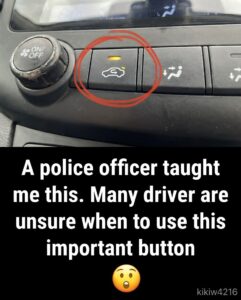
Why it feels so powerful (when used right)
1. Faster cooling and heating
On a hot day, your car interior might be 50°C+ after sitting in the sun. If you leave fresh-air mode on, your system keeps dragging in that hot air.
With recirculation:
- The system cools already cooled air
- Temperature drops much faster
- The AC compressor works less
Same idea in winter: it reheats already-warm air more efficiently.
2. Better efficiency (and even fuel/range savings)
Because your climate system isn’t constantly battling outside temperatures:
- The engine (or battery) does less work
- Fuel use drops slightly in gas cars
- In hybrids/EVs, range can improve noticeably
It’s not huge per trip—but over time, it adds up.
3. Protection from pollution and odors
This is one of the most underrated benefits.
Use recirculation when you’re:
- Stuck behind a smoky truck
- Driving through tunnels
- Passing construction or dust
- In heavy city traffic
It helps block:
- Exhaust fumes
- Pollen and allergens
- Smoke and unpleasant smells
For people with asthma or allergies, this can make a real difference.
Where people get it wrong
1. Leaving it on too long
Your car isn’t airtight, but recirculating air traps moisture from:
- Your breath
- Wet clothes or shoes
- Rainy weather
That leads to:
- Foggy windows
- Stale, humid air
That’s why many cars automatically turn recirculation off when you use the defroster.
2. Feeling tired or “off”
Some drivers notice:
- Slight drowsiness
- Stuffiness
- Reduced alertness
It’s usually not oxygen loss—it’s humidity + stale air + psychological effect. Still, on long drives, it can matter.
When you should use it
Turn it ON when:
- Cooling a hot car quickly
- Heating the cabin faster
- Driving through polluted or dusty areas
- Sitting in traffic with heavy exhaust
- You want maximum AC efficiency
When to turn it OFF
Switch back to fresh air when:
- Windows start fogging
- It’s raining or humid
- You’re on a long drive
- The cabin feels stuffy
- You want better airflow and alertness
Seasonal tricks most drivers miss
Summer
- Start with fresh air briefly (to flush hot air out)
- Then switch to recirculation for fast cooling
Winter
- Use recirculation to warm up quickly
- Then switch to fresh air to prevent fogging
One overlooked factor: your cabin air filter
Even the best use of recirculation won’t help much if the filter is clogged.
A dirty filter can cause:
- Weak airflow
- Bad smells
- Poor air quality
It’s one of the cheapest fixes that makes a noticeable difference.
The bigger picture
That small button is basically a manual control over your car’s internal environment:
- Temperature efficiency
- Air quality
- Humidity
- Even your comfort and alertness
Used intentionally, it makes driving smoother and more pleasant. Used blindly, it creates problems that feel like “mystery issues.”
Simple rule to remember:
Use recirculation for short-term efficiency and protection—then return to fresh air for balance.
Once you start thinking of it that way, that tiny icon stops being a habit and becomes a tool.