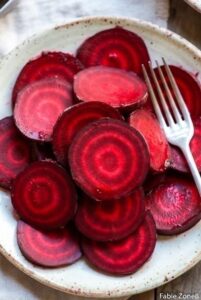
The rise of Beetroot from a humble, earthy staple to a scientifically backed “superfood” didn’t happen by accident. It reflects a deeper understanding of how specific plant compounds interact with human biology in precise and measurable ways. What makes beetroot especially compelling is not just that it is nutritious—it’s that its nutrients actively influence core physiological systems, particularly circulation, metabolism, and inflammation.
At the center of beetroot’s power is its high concentration of naturally occurring nitrates. Once consumed, these compounds begin a fascinating transformation. Through the help of oral bacteria and digestive processes, nitrates are converted into nitric oxide, a molecule essential for vascular health. Nitric oxide signals blood vessels to relax and widen—a process known as Vasodilation. This simple but powerful mechanism improves blood flow throughout the body, reducing resistance in the arteries and easing the workload on the heart.
The result is often a measurable reduction in blood pressure, which is why beetroot is frequently discussed in the context of Hypertension. Unlike medications that force rapid changes, beetroot supports a gradual, natural improvement in vascular function. Over time, better circulation means more efficient delivery of oxygen and nutrients—not just to muscles, but also to vital organs like the brain.
This improved blood flow has noticeable effects beyond cardiovascular health. Many people report enhanced mental clarity and focus, which is linked to increased oxygen delivery to brain tissue. While beetroot is not a cognitive enhancer in the pharmaceutical sense, its indirect support of brain function through circulation is significant. In a world where fatigue and mental fog are common, even subtle improvements in oxygen efficiency can translate into better daily performance.
For athletes and physically active individuals, the benefits are even more pronounced. Nitric oxide improves how efficiently muscles use oxygen, meaning the body can perform the same work with less effort. This directly impacts endurance. Studies have shown that people who consume beetroot—especially in juice form—can exercise longer before reaching exhaustion. The effect is not dramatic like a stimulant, but it is consistent and measurable: reduced fatigue, improved stamina, and faster recovery.
Beyond circulation, beetroot plays a crucial role in digestive health thanks to its fiber content. It contains both soluble and insoluble fiber, each contributing differently. Soluble fiber helps regulate blood sugar by slowing the absorption of glucose, preventing sharp spikes and crashes. This makes beetroot particularly useful for those managing insulin sensitivity or aiming for stable energy levels throughout the day.
Insoluble fiber, on the other hand, supports gut motility by adding bulk to stool and promoting regular bowel movements. Together, these fibers nourish beneficial gut bacteria, which are increasingly recognized as key players in overall health. The connection between the gut and brain—often referred to as the gut-brain axis—means that improved digestion can also influence mood and mental well-being.
Another defining feature of beetroot is its deep red color, which comes from compounds called betalains. These are powerful antioxidants with anti-inflammatory properties. In the context of chronic inflammation—a factor linked to conditions ranging from heart disease to metabolic disorders—betalains offer a gentle but meaningful form of protection.
They work by neutralizing free radicals, unstable molecules that can damage cells over time. At the same time, they help regulate inflammatory pathways in the body, reducing internal stress at a cellular level. This dual action supports long-term health and may contribute to disease prevention when beetroot is consumed regularly as part of a balanced diet.
The liver also benefits from these compounds. As the body’s primary detoxification organ, the liver processes toxins, hormones, and metabolic waste. Beetroot supports these natural detox pathways, helping the liver function more efficiently. Unlike extreme “detox” trends, this support is subtle and sustainable—it enhances what the body already does rather than forcing it into imbalance.
Nutritionally, beetroot offers a wide spectrum of essential micronutrients. It is particularly rich in folate, a B-vitamin crucial for DNA synthesis and cell division. This makes it especially important during pregnancy and periods of rapid growth. Potassium, another key nutrient in beetroot, helps regulate fluid balance and supports healthy blood pressure levels. It works in tandem with sodium to maintain proper nerve and muscle function.
Beetroot also contains iron, which plays a role in oxygen transport through red blood cells. While plant-based iron is less easily absorbed than animal-derived sources, pairing beetroot with vitamin C-rich foods—like citrus or bell peppers—can significantly improve absorption. Manganese, another mineral found in beetroot, supports metabolism and antioxidant defenses, contributing to overall resilience.
Despite all these benefits, beetroot is not without considerations. One of the most common and harmless effects of eating beetroot is Beeturia. This can be surprising, but it simply reflects the presence of natural pigments and is not a cause for concern.
However, beetroot does contain oxalates, compounds that can contribute to kidney stone formation in susceptible individuals. Those with a history of kidney stones should moderate their intake and consult a healthcare professional if unsure. Additionally, because beetroot can lower blood pressure, individuals already taking medication for Hypertension should be mindful of potential additive effects.
Another point worth noting is the difference between whole beets and beet juice. While juice provides a concentrated dose of nitrates, it lacks fiber. This means it can lead to quicker spikes in blood sugar if consumed in large amounts. Whole beets, by contrast, offer a more balanced nutritional profile and are generally a better choice for daily consumption.
Incorporating beetroot into your diet doesn’t require drastic changes. It can be roasted for a naturally sweet, caramelized flavor, grated raw into salads for a crunchy texture, blended into smoothies, or added to soups. Its versatility makes it easy to include in both savory and sweet dishes.
What matters most is consistency. The benefits of beetroot are cumulative—they build over time rather than appearing instantly. Regular consumption supports the body’s natural systems, leading to gradual improvements in energy, digestion, and overall well-being.
The idea of a “beetroot upgrade” is not about transformation overnight. It’s about aligning with how the body works best—supporting circulation, nourishing the gut, reducing inflammation, and providing essential nutrients in a form the body recognizes and uses efficiently.
In a landscape filled with quick fixes and exaggerated claims, beetroot stands out for a different reason: its effects are grounded in biology, not hype. It doesn’t promise miracles, but it consistently delivers measurable support for key systems that define long-term health.