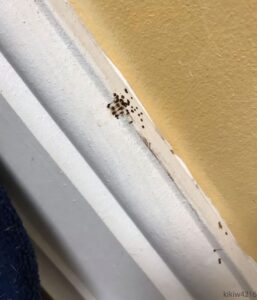
When homeowners first notice tiny black dots in their kitchen, the reaction is usually mild confusion. They look like harmless specks of dirt, crumbs, or even coffee grounds that were simply missed during cleaning. But in many cases, those small dots are not debris at all. They are biological traces left behind by insects actively feeding, nesting, and spreading inside the home.
In 2026, pest control experts are increasingly emphasizing early detection of these signs because modern homes—sealed for energy efficiency, filled with stored food, and often humid in kitchens—create ideal environments for hidden infestations. The presence of these dots can be one of the earliest and most important warning signals of a developing pest problem.
Understanding what they are, where they come from, and how to respond can mean the difference between a minor cleaning issue and a full-scale infestation requiring professional treatment.
What the Tiny Black Dots Actually Are
Those mysterious black specks are most often insect droppings, scientifically referred to as frass. Depending on the type of pest, frass can vary in shape and texture, but in kitchens it typically appears as:
- Small black grains or pellets
- Fine pepper-like specks
- Clusters near walls, cabinets, or door frames
- Trails along baseboards or appliance edges
These droppings are produced as insects digest food particles found in kitchens, including grains, starches, grease residue, and even packaging materials like cardboard or glue.
Common household pests that produce visible frass include pantry beetles, cockroach nymphs, and certain stored-product larvae. These insects tend to stay hidden, which is why their waste often appears before the insects themselves are noticed.
Why Kitchens Become Infestation Hotspots
Kitchens provide everything pests need to survive and reproduce:
1. Constant Food Supply
Even the cleanest kitchens have microscopic food residues—crumbs under appliances, grease on stovetops, or spilled flour inside cabinets.
2. Moisture and Warmth
Sinks, dishwashers, and cooking activity create humidity and warmth, accelerating insect life cycles.
3. Shelter and Darkness
Cabinets, cracks in walls, and gaps behind appliances offer undisturbed hiding places.
4. Easy Access Points
Small openings around pipes, vents, and doors allow insects to enter unnoticed.
Because of these conditions, infestations often begin silently and remain hidden until visible signs—like black dots—begin to accumulate.
The Hidden Insects Behind the Black Specks
Different pests produce different types of droppings. Identifying the possible source helps determine the seriousness of the issue.
Pantry Beetles
These small insects infest dry goods like flour, rice, and cereal. Their larvae produce fine, sand-like frass that collects near food storage areas.
Cockroach Nymphs
Young cockroaches leave behind dark, cylindrical droppings that often appear in clusters. These are commonly found along walls, behind appliances, and in dark corners.
Stored Product Moths and Larvae
These pests can leave behind webbing and fine waste particles inside food packaging, often unnoticed until contamination is advanced.
Mixed Infestations
In some cases, multiple pests coexist, creating a mixture of droppings that appear as scattered black debris throughout the kitchen.
Why the Dots Often Appear Suddenly
One of the most alarming aspects for homeowners is how quickly the dots seem to appear. In reality, the infestation has usually been developing for weeks or even months before visible signs emerge.
The sudden appearance happens because:
- A population reaches a growth stage where waste becomes noticeable
- Insects begin migrating in search of new food sources
- Disturbed nesting areas force pests into visible locations
- Lighting or cleaning changes reveal previously hidden buildup
By the time the dots are clearly visible, the colony is often already established.
Health Risks You Should Not Ignore
While the black dots themselves are not dangerous to touch, they are indicators of contamination that can affect health in several ways.
Allergic Reactions
Insect waste and shed skin particles can become airborne and trigger allergies or asthma symptoms, especially in sensitive individuals.
Bacterial Contamination
Pests travel through drains, trash, and decaying organic matter, carrying bacteria onto kitchen surfaces.
Food Contamination
Dry goods stored in cabinets can become contaminated without visible damage to packaging.
Respiratory Irritation
Long-term exposure to insect debris may cause coughing, sinus irritation, or discomfort in enclosed spaces.
Children, elderly individuals, and those with respiratory conditions are particularly vulnerable.
Early Warning Signs Beyond Black Dots
The black specks are often accompanied by other subtle indicators:
- Musty or unusual odors in cabinets
- Small holes in food packaging
- Shed insect skins
- Greasy smear marks along walls (especially from cockroaches)
- Increased insect activity at night
- Tiny live insects near light sources
Recognizing multiple signs together increases the likelihood of identifying an active infestation early.
What You Should Do Immediately
If you notice these black dots, immediate action is important to prevent escalation.
Step 1: Deep Inspection
Check all cabinets, drawers, and food storage areas with a flashlight. Look behind appliances and under sinks.
Step 2: Remove Contaminated Food
Discard any opened or suspicious dry goods. Even small infestations can spread through packaging.
Step 3: Thorough Cleaning
Vacuum all visible debris, then wipe surfaces using a vinegar or mild disinfectant solution.
Step 4: Seal Entry Points
Inspect gaps near walls, pipes, and windows. Seal openings where pests may be entering.
Step 5: Monitor Activity
Use sticky traps or monitoring stations to track whether insect activity continues.
When Professional Help Is Needed
Not all infestations can be solved with cleaning alone. You should contact a pest control professional if:
- Black dots reappear after cleaning
- You see live insects during the day
- The infestation spreads beyond the kitchen
- Food contamination is widespread
- There is structural hiding activity behind walls
Professionals use targeted treatments and inspection tools to locate hidden nests that are not visible to homeowners.
Long-Term Prevention Strategies
Preventing future infestations is just as important as eliminating current ones.
Maintain Strict Kitchen Cleanliness
Wipe surfaces daily and avoid leaving food exposed overnight.
Store Food Properly
Use airtight containers for grains, cereals, and dry goods.
Control Moisture
Fix leaks quickly and reduce humidity where possible.
Regular Deep Cleaning
Move appliances periodically and clean behind them.
Monitor Early Signs
Check for black specks weekly in high-risk areas like pantry shelves and baseboards.
Why Early Detection Matters So Much
The most important takeaway is timing. Small black dots represent the earliest visible stage of a problem that can grow rapidly if ignored. Early intervention prevents:
- Expensive extermination services
- Food waste and contamination
- Structural spread into multiple rooms
- Long-term pest establishment
A few minutes of inspection today can prevent weeks of damage later.
Final Thoughts
Tiny black dots in your kitchen should never be dismissed without investigation. While they may sometimes turn out to be harmless debris, they are often the earliest sign of a hidden pest population developing inside the home.
In 2026, with modern kitchens providing ideal conditions for pests to thrive unnoticed, awareness is the strongest defense. Recognizing frass, understanding its source, and responding quickly can protect both your home and your health.
The key is simple: if you see the dots, don’t ignore them—inspect, clean, and act early.