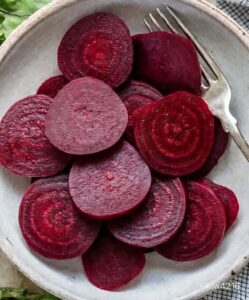
Few foods manage to balance simplicity and scientific depth quite like the humble beetroot. At first glance, it appears unremarkable—a rough-skinned root vegetable with a deep red interior and an earthy flavor that people tend to either love or avoid. Yet beneath that modest exterior lies a complex biochemical profile that continues to draw attention from researchers across nutrition science, cardiology, and metabolic health. What makes beetroot particularly interesting is not a single nutrient or compound, but the way multiple systems within the body respond to its regular consumption.
At the center of beetroot’s reputation is its high concentration of dietary nitrates. These compounds are not inherently active when consumed, but the body has a remarkable way of converting them into something far more impactful: nitric oxide. This transformation begins in the mouth, where beneficial bacteria play a crucial role in reducing nitrates into nitrites. From there, stomach acids and internal processes complete the conversion into nitric oxide, a molecule that has powerful effects on blood vessels.
Nitric oxide functions primarily as a vasodilator, meaning it relaxes and widens blood vessels. This widening allows blood to flow more freely, reducing resistance and easing the workload placed on the heart. Over time, this mechanism contributes to improved circulation throughout the body, delivering oxygen and nutrients more efficiently to muscles, organs, and the brain. It also supports the health of the endothelium, the delicate inner lining of blood vessels that regulates vascular tone and plays a critical role in long-term cardiovascular stability.
For individuals dealing with hypertension, this effect can be particularly meaningful. Clinical observations have shown that consistent consumption of nitrate-rich foods like beetroot may contribute to modest reductions in blood pressure. While not a replacement for medication when needed, the effect is significant enough that many healthcare professionals consider beetroot a valuable dietary addition for supporting heart health. The improvement is gradual rather than immediate, building over time with consistent intake.
Athletes have also taken notice of beetroot’s circulatory benefits. Enhanced blood flow translates into improved oxygen delivery to working muscles, which can influence endurance and performance. Research involving endurance athletes suggests that beetroot consumption may increase time-to-exhaustion, allowing individuals to sustain effort for longer periods. This is partly due to nitric oxide’s effect on mitochondrial efficiency—the process by which cells generate energy. When muscles can use oxygen more effectively, physical performance becomes more sustainable, and fatigue is delayed.
Beyond physical endurance, there is growing interest in how improved circulation affects cognitive function. The brain, like any other organ, relies heavily on a steady supply of oxygen and nutrients. Increased cerebral blood flow has been associated with sharper mental clarity, better focus, and potentially even protective effects against age-related cognitive decline. While beetroot is not a cure or prevention strategy on its own, its contribution to vascular health makes it relevant in discussions about long-term brain support.
Equally important is beetroot’s role in digestive and metabolic health, largely driven by its fiber content. A single serving provides a mix of soluble and insoluble fiber, each contributing differently to the body’s internal balance. Soluble fiber forms a gel-like substance in the digestive tract, slowing the absorption of sugars and helping stabilize blood glucose levels. This is particularly useful for individuals managing type 2 diabetes or those aiming to avoid energy spikes and crashes throughout the day.
Insoluble fiber, on the other hand, adds bulk to the digestive system, promoting regular bowel movements and supporting overall gut health. It also plays a role in maintaining the health of the colon by facilitating efficient waste elimination. Together, these fibers contribute to a more stable metabolic environment, reducing fluctuations that can lead to fatigue, cravings, and mood swings.
Another key aspect of beetroot’s digestive benefits lies in its interaction with the gut microbiome. The fiber acts as a prebiotic, providing nourishment for beneficial bacteria that influence not only digestion but also immune function and even mental well-being. This connection, often referred to as the gut-brain axis, highlights how closely linked different systems of the body are. By supporting gut health, beetroot indirectly contributes to a broader sense of balance and resilience.
The vibrant color of beetroot is more than just visual appeal—it signals the presence of powerful antioxidant compounds known as betalains. These pigments are responsible for the deep red and purple hues and are associated with anti-inflammatory and protective effects within the body. Chronic inflammation is a contributing factor in many long-term health conditions, and reducing that burden can support overall well-being.
Betalains help neutralize free radicals, unstable molecules that can damage cells over time. They also influence signaling pathways involved in inflammation, helping regulate the body’s response without suppressing it entirely. This balanced approach is important, as inflammation is not inherently harmful but becomes problematic when it is excessive or persistent.
One area where betalains show particular promise is liver support. The liver plays a central role in detoxification, processing both internal metabolic waste and external substances such as pollutants. Beetroot compounds appear to support these processes, enhancing the body’s ability to manage and eliminate toxins efficiently. While the term “detox” is often overused in marketing, in this context it refers to the liver’s natural, ongoing function—one that beetroot can help support rather than replace.
In addition to its specialized compounds, beetroot provides a range of essential nutrients that contribute to everyday health. Folate, for example, is critical for DNA synthesis and cell division, making it especially important during periods of growth or pregnancy. Potassium helps regulate fluid balance and supports nerve and muscle function, while also playing a role in maintaining healthy blood pressure levels.
Iron, though present in a non-heme form that is less readily absorbed than animal-based sources, still contributes to oxygen transport within the blood. When combined with vitamin C-rich foods, its absorption can be enhanced, making beetroot a useful component of a balanced diet aimed at maintaining energy levels and preventing fatigue.
Despite its many benefits, it is important to approach beetroot with realistic expectations. It is not a miracle food, and its effects are not immediate. Health improvements associated with beetroot consumption tend to emerge gradually, reflecting consistent dietary patterns rather than quick fixes. Overconsumption, particularly in the form of concentrated juices, can also introduce downsides, such as increased sugar intake without the balancing effect of fiber.
Some individuals may notice a harmless condition known as beeturia, where urine or stool takes on a reddish color after eating beetroot. While it can be surprising, it is not a cause for concern and typically resolves quickly. Others, particularly those prone to kidney stones, may need to moderate intake due to the presence of oxalates, which can contribute to stone formation in susceptible individuals.
For those taking medications related to blood pressure, caution is also warranted. Because beetroot can enhance nitric oxide production, it may amplify the effects of these medications, potentially leading to blood pressure that is lower than intended. Consulting a healthcare professional before making significant dietary changes is always a prudent step in such cases.
The most effective way to experience beetroot’s benefits is through consistent, balanced inclusion in meals. Preparation methods can influence both flavor and nutrient retention. Roasting, for instance, enhances natural sweetness and creates a more approachable taste, while steaming preserves many of the vegetable’s beneficial compounds. Raw preparations offer a different texture and maximize certain heat-sensitive nutrients, though they may be less appealing to some.
Beetroot’s versatility makes it easy to incorporate into a variety of dishes. It can be added to salads, blended into smoothies, or used as a base for spreads and dips. Pairing it with healthy fats, proteins, and other vegetables creates balanced meals that support sustained energy and satiety. Over time, these small additions contribute to broader dietary improvements.
What sets beetroot apart is not just its nutrient profile, but the way its effects intersect across multiple systems. Improved circulation supports physical and cognitive performance. Stable blood sugar contributes to consistent energy and mood. Anti-inflammatory compounds reduce background stress on the body. Essential nutrients fill gaps that might otherwise go unnoticed.
These changes are often subtle at first, but they build. Over weeks and months, many people report feeling more energized, more focused, and generally more balanced. These outcomes are not dramatic transformations but steady improvements that reflect the body functioning more efficiently.
In a landscape filled with complex diets and expensive supplements, beetroot offers a different perspective. It demonstrates that meaningful health benefits can come from simple, accessible foods when used consistently. Its value lies not in exaggeration, but in reliability—a quiet, steady contribution to overall well-being.
Ultimately, the “beetroot upgrade” is less about transformation and more about support. It aligns with the body’s natural processes, enhancing them rather than overriding them. By incorporating beetroot into everyday meals, individuals can tap into a range of scientifically supported benefits without drastic changes or unrealistic expectations.
And in that sense, its impact is both practical and sustainable—a reminder that sometimes, the most effective health strategies are also the simplest.