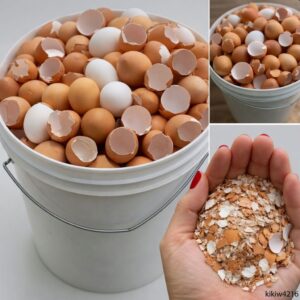
Most people crack an egg, use what’s inside, and toss the shell without a second thought. It’s such a routine action that it rarely invites curiosity. Yet those fragile, curved pieces left behind are far more useful than they appear. Eggshells, often dismissed as waste, are actually a versatile and resourceful material that can be repurposed in dozens of practical ways.
Composed primarily of calcium carbonate, along with trace minerals like magnesium and phosphorus, eggshells carry properties that make them useful across gardening, cleaning, personal care, and even creative projects. With just a bit of preparation, something typically discarded can become a valuable household resource.
What makes eggshell reuse especially appealing is its simplicity. There’s no need for expensive tools or complicated processes. A small change in habit—saving, cleaning, and repurposing shells—can gradually reduce waste, cut costs, and introduce more sustainable practices into everyday life.
Getting Started: Preparing Eggshells for Reuse
Before using eggshells, proper preparation is important.
Start by rinsing them thoroughly to remove any egg residue. Then, boil them briefly to sterilize and eliminate bacteria. Once clean, allow them to dry completely. After drying, they can be crushed into flakes or ground into a fine powder depending on their intended use.
This basic preparation ensures they are safe, odor-free, and ready for a wide variety of applications.
1. A Natural Boost for Your Garden
One of the most popular uses for eggshells is in gardening. Plants require calcium to develop strong cell walls, and eggshells provide a slow-release source of this essential nutrient.
When crushed and mixed into soil, eggshells gradually break down, enriching the soil over time. This is particularly helpful for plants like:
- Tomatoes
- Peppers
- Zucchini
These plants are prone to a condition known as blossom-end rot, which is often linked to calcium deficiency.
Eggshells can also be added to compost, where they contribute to a more balanced nutrient profile. Over time, gardeners often notice healthier plants and improved yields.
2. Natural Pest Deterrent
Beyond nutrition, eggshells can help protect plants.
Crushed shells scattered around the base of plants create a rough, sharp surface that discourages pests like slugs and snails. These soft-bodied creatures avoid crawling over jagged materials, making eggshells a simple and chemical-free barrier.
While not a perfect solution on their own, they can be part of a broader, eco-friendly pest management approach.
3. Seed Starters with Built-In Benefits
Eggshell halves can serve as miniature planting containers.
Fill them with soil, plant seeds inside, and place them in a tray or carton. As seedlings grow, the shells provide a small amount of calcium. When it’s time to transplant, you can gently crush the shell and plant it directly into the soil.
This method reduces transplant shock and eliminates the need for plastic starter pots, making it both practical and environmentally friendly.
4. A Gentle, Effective Cleaning Tool
Eggshells can also replace certain cleaning products.
When ground into a fine powder, they act as a mild abrasive. This makes them useful for:
- Scrubbing sinks
- Cleaning cookware
- Removing residue from surfaces
Unlike harsh chemical cleaners, eggshell powder is less likely to damage surfaces when used properly.
You can create a simple cleaning paste by mixing crushed eggshells with dish soap and a bit of lemon juice. This combination helps break down grease and stains while remaining relatively gentle.
5. Supporting Sustainable Household Habits
Using eggshells in cleaning routines contributes to reducing reliance on synthetic products. Many store-bought cleaners contain additives that may not be necessary for everyday tasks.
By substituting with natural materials, you:
- Reduce chemical exposure
- Lower household costs
- Minimize packaging waste
Over time, these small changes add up, making your home more environmentally conscious without sacrificing effectiveness.
6. Personal Care and DIY Beauty Uses
Eggshells can also be incorporated into simple personal care routines.
When finely ground, they can be mixed with ingredients like yogurt or natural oils to create gentle exfoliating scrubs. These mixtures help remove dead skin cells, leaving the skin smoother.
Inside the shell is a thin membrane rich in compounds like collagen. This membrane can be carefully removed and used in basic skincare applications, such as placing it over minor skin irritations.
Some people explore using eggshell powder in dental care due to its calcium content. However, this should be approached cautiously, as improper use could damage enamel.
A Note on Dietary Use
Eggshell powder has been discussed as a calcium supplement. While it is rich in calcium, consuming it requires careful preparation and professional guidance.
Improperly processed shells may contain contaminants or pose health risks. Anyone considering dietary use should consult a qualified professional before trying it.
7. Creative and Artistic Projects
Eggshells open the door to creativity.
Whole or half shells can be:
- Painted and decorated
- Used as ornaments
- Turned into small planters
Crushed shells add texture to art projects, creating unique visual effects that are difficult to replicate with synthetic materials.
Artists sometimes incorporate eggshell fragments into:
- Mosaics
- Picture frames
- Mixed-media artwork
Their natural texture and subtle color variations make them especially appealing for creative expression.
8. Educational and Family Activities
Eggshell crafts are also ideal for children.
They provide a safe, accessible material for:
- Learning about recycling
- Exploring creativity
- Understanding natural resources
Simple projects, like planting seeds in shells or decorating them, can turn everyday waste into a hands-on learning experience.
9. Indoor Plant Care
Eggshells are not just for outdoor gardens.
Crushed shells can be added to indoor plant soil, where they slowly release nutrients. They may also help deter small pests that thrive in damp environments.
This makes them a useful addition for maintaining healthy houseplants.
10. Supporting a Circular Household System
For households that keep chickens, eggshells can be returned to the birds after proper preparation. This helps provide calcium for stronger future eggs.
This creates a small but meaningful example of a circular system—where waste becomes input rather than being discarded.
11. Practical Uses Around the Home
Eggshells can even serve unexpected purposes.
Finely crushed shells can be used as a gritty material to improve traction on icy surfaces. While not a replacement for traditional methods, they offer a more environmentally friendly alternative to salt in small areas.
They can also help absorb minor odors when used in certain household applications.
Storage and Long-Term Use
Prepared eggshells can be stored for future use.
Once dried, keep them in an airtight container. This prevents moisture and maintains their usability over time.
Having a ready supply makes it easier to incorporate them into daily routines without extra effort.
The Bigger Picture: Reducing Waste
Repurposing eggshells is part of a broader shift toward reducing waste.
Everyday habits—like throwing away shells—may seem insignificant, but collectively they contribute to larger environmental challenges.
By rethinking how we use resources, we:
- Reduce landfill waste
- Conserve materials
- Promote sustainability
Eggshells are a simple starting point for this mindset.
Why Small Changes Matter
The impact of reusing eggshells may seem minor at first. However, the real value lies in the habit it creates.
It encourages:
- Awareness of waste
- Creative problem-solving
- Resourcefulness
These habits often extend beyond eggshells, influencing other areas of daily life.
Common Misconceptions
Some people assume eggshells are useless or too fragile to be practical.
In reality, their composition makes them surprisingly durable in certain contexts, especially when crushed or processed.
Others worry about cleanliness, but proper preparation eliminates most concerns.
A Shift in Perspective
The idea of reusing eggshells reflects a broader shift in how we view everyday materials.
Instead of seeing them as disposable, we begin to recognize their potential.
This shift doesn’t require drastic lifestyle changes—just small adjustments that gradually become routine.
Conclusion
Eggshells are a perfect example of how something ordinary can become extraordinary with a bit of creativity and awareness. From enriching garden soil to cleaning surfaces, supporting personal care, and inspiring artistic projects, their uses are both practical and diverse.
What was once considered waste can become a valuable resource—saving money, reducing environmental impact, and adding functionality to everyday life.
The next time you crack an egg, pause before throwing the shell away. With just a little effort, you can turn it into something useful, sustainable, and surprisingly effective.
In the end, it’s not just about eggshells. It’s about rethinking habits, recognizing hidden value, and discovering that even the smallest changes can lead to meaningful improvements in how we live.