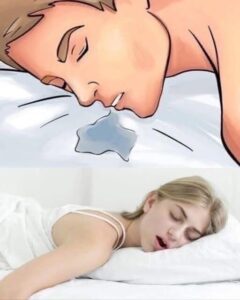
For many, waking up to discover a damp patch on the pillow is a source of mild embarrassment, a moment often shrugged off or even joked about with family. But what if that small puddle of drool was actually telling you something profound about your brain, body, and the hidden rhythms of your nightly rest? Drooling during sleep—technically known as nocturnal sialorrhea—is an experience shared by millions, yet it’s rarely understood in its full physiological and neurological context. In reality, this overlooked phenomenon is an entry point to fascinating discoveries about the mechanisms of deep relaxation, muscle control, sleep cycles, health, and even evolutionary biology. Far from being just a quirk, drooling can be a subtle signpost pointing toward the deeper mysteries of sleep health and cognitive restoration.
Saliva: The Body’s Underappreciated Multitasker
To understand drooling, we must first appreciate saliva’s role in the body. Produced continuously by the salivary glands, saliva keeps the mouth moist, aids in digestion, protects teeth and gums, and helps us speak, chew, and swallow. During the day, the nervous system—particularly the brainstem—regulates the near-automatic rhythm of swallowing and saliva management. Most people swallow unconsciously hundreds of times a day, rarely giving thought to this essential act, as voluntary and involuntary controls work in harmony.
At night, however, this orchestration changes. As we transition into sleep, especially the deeper stages, voluntary muscle control fades and subconscious processes take over. The jaw and facial muscles, which maintain a closed mouth during wakefulness, relax. The drive to swallow diminishes, and gravity can do the rest—especially if you’re sleeping on your side or stomach, which allows saliva to pool and escape more easily.
The Sleep Cycle Connection: Why Drooling Signals Deep Rest
Sleep is not a static state but a dynamic cycle of distinct phases. Non-REM sleep, particularly the third stage—known as slow-wave or deep sleep—is where the body undergoes its most profound restoration. Heart rate drops, blood pressure decreases, and muscle tone is at its lowest. The brain’s conscious oversight of muscle activity is dialed down, and the body is free to focus on healing, growth, and memory consolidation.
Drooling is most likely to occur during these deep, non-REM stages. Here, the muscles responsible for keeping the mouth gently closed are so relaxed that the lips may part, and saliva, no longer efficiently swallowed, finds its way out. In this sense, drooling can be a reassuring sign—a reflection of complete muscular relaxation and immersion in a restorative sleep phase.
REM sleep, the phase associated with vivid dreams and intense brain activity, adds another layer. During REM, the body’s voluntary muscles are temporarily paralyzed in a phenomenon called atonia, preventing us from acting out our dreams. However, jaw and facial muscles may not be fully immobilized. If you shift position or transition between REM and non-REM stages, drooling can occur as muscle tone fluctuates and the mouth opens.
Sleep Position: The Role of Gravity and Habit
Your sleeping position plays a significant role in whether you drool at night. Side and stomach sleepers are far more likely to drool because gravity draws saliva downward and out of the mouth. Back sleepers, with their mouths more likely to remain closed, are less prone to this. Pillow type, height, and mattress firmness can also influence jaw position and mouth closure, subtly shaping the likelihood of drooling.
Habitual sleep positions are often set early in life, and while they can be changed with effort, most people settle into what feels most natural. Factors such as nasal congestion, allergies, or even the size and shape of one’s jaw can all affect preferred sleep posture and, by extension, the odds of drooling.
Drooling as a Marker of Sleep Health
Rather than something to hide, drooling can be viewed as an indirect marker of healthy, deep sleep—especially when unaccompanied by other symptoms like choking, gasping, or frequent awakenings. Many sleep specialists consider its presence in healthy adults and children as evidence that the body is achieving the kind of relaxation necessary for healing, memory processing, and emotional regulation.
In a world where stress, insomnia, and light, fragmented sleep are increasingly common, the ability to achieve a state in which drooling happens may actually be a positive sign. It indicates your nervous system is letting go, your muscles are fully at rest, and your brain is disengaged from conscious control.
When Drooling Signals Something More
Of course, not all drooling should be ignored. Persistent, excessive, or newly developed drooling can sometimes signal underlying medical issues. Nasal congestion from allergies, sinus infections, or colds can force mouth breathing, increasing the risk of drooling. Sleep apnea—a disorder involving repeated pauses in breathing—can lead to mouth opening and saliva escape, often accompanied by loud snoring and daytime fatigue.
Certain medications, especially those affecting muscle tone or saliva production, can increase drooling as a side effect. Neurological conditions such as Parkinson’s disease, amyotrophic lateral sclerosis (ALS), or the after-effects of a stroke may disrupt the nerves and muscles involved in swallowing and mouth closure.
In children, drooling is often harmless, related to developmental stages, teething, or immature oral-motor skills. However, if excessive drooling persists well into adolescence or adulthood, or is accompanied by changes in speech, swallowing, or breathing, a healthcare evaluation is warranted.
Dental and jaw health also affect drooling. Malocclusion (misaligned teeth), temporomandibular joint (TMJ) disorders, or poorly fitted dental appliances may all interfere with proper mouth closure. Addressing these issues through orthodontic care or dental adjustments can sometimes reduce nocturnal drooling and improve sleep quality.
Evolutionary Biology: Why Do We Drool at All?
Drooling during sleep isn’t unique to humans. Many mammals, including dogs, cats, and primates, display similar behaviors when deeply relaxed. From an evolutionary perspective, this may be a byproduct of relaxation in safe environments, allowing the body to prioritize recovery over vigilance. In ancestral settings, the ability to fully “let go” and enter deep sleep was a marker of safety and social trust—signals that predators weren’t nearby and the brain could devote resources to healing and memory consolidation without fear.
Cognitive and Emotional Restoration: The Invisible Benefits
Researchers now know that the same deep sleep phases associated with drooling are also critical for cognitive and emotional health. Slow-wave sleep is essential for memory consolidation, emotional regulation, and the brain’s “housekeeping” activities, such as flushing away metabolic waste. When you drool, it may be an external sign that your brain is fully disengaged from conscious management, allowing both body and mind to recharge.
Factors That Influence Drooling
Several factors can increase or decrease the likelihood of drooling:
- Hydration: Well-hydrated individuals may produce more saliva, increasing drooling.
- Diet: Eating dairy or sugary foods before bed can stimulate saliva production.
- Medications: Some drugs alter saliva flow or muscle tone.
- Oral health: Malocclusion, dentures, and jaw alignment all play a role.
- Sleep environment: Pillow height, mattress firmness, and humidity affect posture and muscle relaxation.
- Age: Infants and older adults are more prone to drooling due to developmental or age-related changes in muscle tone and swallowing reflexes.
Social Perceptions and Emotional Impact
Culturally, drooling is often seen as embarrassing or childish, leading many to hide or joke about the phenomenon. But understanding the physiological context can help transform shame into self-acceptance and even pride. Drooling is a sign that your body is doing what it’s designed to do: letting go of conscious control and entering a state of deep restoration.
When to Seek Help
Most of the time, drooling during sleep is harmless. But if you notice a sudden increase, changes in your ability to swallow, speech issues, or other neurological symptoms, consult a healthcare professional. Sleep studies, dental assessments, or neurological evaluations can help determine the cause and guide treatment.
Practical Tips for Managing Drooling
If you wish to minimize drooling, try these strategies:
- Train yourself to sleep on your back with a supportive pillow.
- Address nasal congestion and allergies to encourage nose-breathing.
- Maintain good oral hygiene and consider dental checkups for bite or jaw alignment.
- Stay hydrated, but avoid excessive liquids right before bed.
- Review medications with your doctor if drooling is bothersome.
Final Thoughts: Embracing the Wisdom of the Body
Drooling during sleep is a small but meaningful sign of the remarkable synchrony between brain, muscle, and body that unfolds every night. It’s a testament to the sophistication of human physiology—evidence that your nervous system is capable of surrendering control, your muscles are deeply relaxed, and your brain is actively engaged in the vital processes that restore health and cognition.
So next time you wake to find evidence of drool on your pillow, don’t be embarrassed. Instead, recognize it as a signal that your body is entering the deepest, most restorative stages of sleep—the kind that supports memory, emotional balance, and overall vitality. In a world filled with stress and sleep disruption, that small, damp patch can be a reassuring sign of your body’s trust in the safety of your environment and its skill at healing itself overnight.
Whether you’re a child, an adult, or a senior, drooling while you sleep is a normal, biologically meaningful process. It is a window into the sophisticated dance of relaxation, restoration, and self-care that takes place beneath the surface each night—a quiet reminder that sometimes, the best signs of health are the ones we least expect.