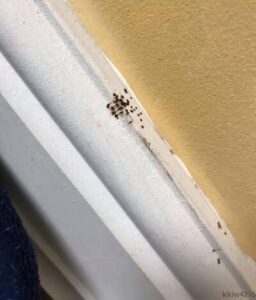
Those tiny black dots sitting on your kitchen counter, inside cabinets, or along baseboards may seem harmless at first glance. It is easy to assume they are simply crumbs, spilled spices, or ordinary dirt brought in from daily activity. Most people notice them briefly, wipe them away, and move on without a second thought. The kitchen is, after all, a place where food is constantly prepared, handled, and consumed, so small bits of debris are expected.
However, what appears insignificant can sometimes be an early warning sign of something far more serious happening behind the scenes.
In many cases, these tiny black specks are actually insect droppings, commonly referred to as “frass.” These are waste traces left behind by pests such as cockroaches, beetles, ants, or pantry moth larvae. While the dots themselves may be small and easy to overlook, their presence often indicates that insects are already active in your home. Even more concerning, they are usually not the first sign of a problem but rather one of the earliest visible clues that an infestation has already begun developing in hidden areas.
Kitchens are especially vulnerable environments for pests. They provide everything insects need to survive: food sources, moisture, warmth, and countless hiding places. Crumbs beneath appliances, unsealed food containers, grease buildup behind stoves, and even small leaks under sinks can create the perfect environment for insects to thrive. Once pests find a reliable food source, they rarely leave on their own.
What makes the situation more concerning is how quietly it begins. Most infestations do not start with visible insects crawling across countertops. Instead, they begin in hidden spaces—inside pantry boxes, behind cabinets, within wall cracks, or under appliances. By the time droppings become noticeable in open areas, the pest population may already be well established.
The appearance of these black dots can vary depending on the type of pest involved. Cockroach droppings, for example, often resemble small specks of black pepper or coffee grounds. Pantry beetles may leave behind fine dust-like particles, while rodent droppings tend to be larger and more pellet-shaped. Regardless of the exact source, one consistent pattern emerges: these marks tend to cluster in specific areas rather than appearing randomly across the kitchen.
Common locations include the edges of cabinets, corners of shelves, behind appliances, near food storage areas, and along baseboards. These are all places where pests feel safe, hidden, and close to food sources. Unlike normal dirt or crumbs, these droppings often reappear shortly after cleaning, which is one of the strongest indicators that they are being actively produced rather than simply left behind once.
Understanding this distinction is important. A single spill can be cleaned and forgotten. But recurring black specks in the same areas suggest ongoing activity. This is where early awareness becomes critical.
When insects begin feeding and nesting in a kitchen, they do not remain stationary. They move continuously between food sources and hiding places, leaving droppings along their paths. Over time, these paths can form patterns that reveal their movement routes. For example, repeated droppings along the back of a cabinet may indicate a nesting area nearby. Clusters inside a pantry corner may point toward contaminated food packaging.
One of the most overlooked aspects of early pest activity is reproduction. Many common kitchen pests reproduce quickly and efficiently. A small unnoticed infestation can grow into a much larger population in a relatively short period of time. Some insects lay eggs in hidden spaces such as cardboard boxes, cracks in wood, or inside packaged dry foods like flour, rice, or cereal. Once those eggs hatch, larvae continue feeding in the same location, producing more droppings and expanding the contamination.
This cycle often happens silently. There is no dramatic sign or sudden appearance of insects. Instead, the problem builds gradually, making it easy to ignore until it becomes significantly worse.
Beyond the inconvenience of dealing with pests, there are real health concerns associated with insect droppings in food preparation areas. These particles can carry bacteria, allergens, and contaminants picked up from the environments where insects travel. When disturbed during cleaning, they can become airborne or transfer onto surfaces where food is prepared, increasing the risk of exposure.
For individuals with allergies, asthma, or respiratory sensitivities, this can lead to irritation or worsening symptoms. In some cases, pests such as cockroaches are known to carry bacteria like Salmonella or E. coli, which can contaminate surfaces and contribute to foodborne illness risks if hygiene is not properly maintained.
Even if the risk seems small, the presence of pests in a kitchen should never be ignored, because it signals that sanitary boundaries have already been compromised.
One of the most important steps in addressing the issue is confirming whether the black dots are truly insect droppings or simply harmless debris. A simple way to assess this is through consistency and location. Dust and crumbs tend to appear randomly and do not return in the same pattern after cleaning. In contrast, pest droppings often reappear in the same areas repeatedly, even after thorough cleaning.
Another clue is the surrounding environment. If the dots are found near food storage, inside cabinets, or along hidden edges, the likelihood of pest activity increases. If you also notice other signs such as damaged food packaging, small holes in containers, or occasional sightings of insects, the evidence becomes even stronger.
Once pest activity is suspected, immediate action is important. The first step is thorough cleaning. All affected areas should be wiped down carefully, and floors should be vacuumed to remove both visible debris and microscopic particles. Vacuum contents should be disposed of outside the home to prevent reinfestation.
After cleaning visible areas, attention should turn to food storage. Pantry items such as flour, rice, pasta, cereal, spices, and pet food should be carefully inspected. Any packaging that shows signs of damage, moisture, or contamination should be discarded immediately. Even if only part of a container appears affected, pests may have already spread inside it.
Switching to airtight containers made of glass or durable plastic can significantly reduce future risk. These containers prevent insects from accessing food and also make it easier to detect contamination early.
It is equally important to inspect hidden areas. Appliances such as refrigerators, ovens, and dishwashers often have gaps or warm spaces where pests can hide. Cabinets, drawer corners, and wall edges should also be checked carefully. These locations often serve as nesting sites because they provide darkness, warmth, and proximity to food sources.
If droppings continue to appear after cleaning, or if you begin to notice live insects regularly, the infestation may already be established. In such cases, using traps or contacting professional pest control services may be necessary to fully eliminate the problem.
Prevention plays a crucial role in avoiding future infestations. Kitchens should be kept clean and dry, with special attention given to removing food residues. Even small crumbs left on counters or floors can attract pests over time. Wiping surfaces daily and sweeping or vacuuming regularly can significantly reduce the risk of infestation.
Moisture control is also essential. Leaking pipes, dripping faucets, or damp areas under sinks create ideal breeding conditions for many pests. Fixing leaks promptly and keeping areas dry helps make the environment less attractive to insects.
Proper waste management is another important factor. Trash should be removed regularly, and bins should be sealed tightly to prevent pests from accessing food waste. Rotating pantry items and avoiding long-term storage of open food packages can also help reduce risk.
Sealing entry points is another preventive measure that is often overlooked. Small cracks in walls, gaps behind cabinets, or openings near pipes can serve as entry routes for pests. Sealing these areas helps block access and reduces the likelihood of infestation.
Ultimately, the presence of tiny black dots in your kitchen should not be dismissed without consideration. While they may appear insignificant, they can represent the earliest visible sign of a growing pest problem. Recognizing this early can make the difference between a simple cleaning routine and a much more difficult infestation requiring extensive treatment.
The key is awareness. By paying attention to small changes in your kitchen environment, you gain the ability to act before the problem escalates. Early detection, combined with consistent cleaning and proper food storage, forms the most effective defense against hidden pests.
In the end, what looks like a few harmless specks may actually be a quiet warning. And responding to that warning quickly can protect not only your kitchen, but your health, your home, and your peace of mind.