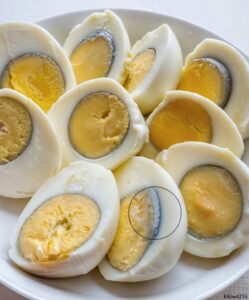
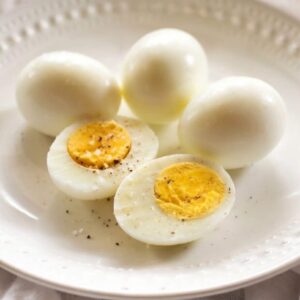
If you’ve ever sliced into a hard-boiled egg and noticed a greenish-gray ring around the yolk, it can look alarming at first. The good news: it’s not dangerous, spoiled, or toxic. That ring is simply a sign of overcooking—an extremely common kitchen mistake that affects both texture and appearance more than safety.
The green ring forms due to a basic chemical reaction. Egg whites contain sulfur, while yolks contain iron. When an egg is exposed to high heat for too long, these elements react and form iron sulfide, which creates that dull green-gray color around the yolk. The longer the egg stays hot—especially if it sits in hot water after boiling—the more pronounced the ring becomes. This is why even properly timed eggs can develop the ring if they aren’t cooled quickly.
While the egg is still safe to eat, the quality does take a hit. Overcooked eggs tend to have chalky, dry yolks and rubbery whites instead of the soft, creamy texture most people prefer. The difference is noticeable in everything from breakfast plates to dishes like egg salad or deviled eggs. In other words, the green ring isn’t harmful—but it is a sign your cooking method needs a small adjustment.
The fix is surprisingly simple and comes down to timing and temperature control. Instead of boiling eggs aggressively and leaving them in hot water, a more reliable method is to start them in cold water, bring them gently to a boil, then remove them from heat and let them sit covered for about 9–12 minutes depending on size. Immediately transferring them to an ice bath stops the cooking process and prevents the sulfur-iron reaction from continuing.
Cooling isn’t just about appearance—it also improves peeling. Rapid cooling helps separate the egg white from the shell membrane, making it easier to peel without tearing the surface. This is especially helpful when preparing eggs for presentation or recipes.
There are also a few common myths worth clearing up. The green ring does not mean the egg is old, spoiled, or unsafe. It’s purely a result of heat exposure. Even very fresh eggs can develop it if overcooked. Likewise, it has nothing to do with contamination or poor storage. It’s simply chemistry at work.
From a nutritional standpoint, overcooking can slightly reduce some heat-sensitive nutrients, but eggs remain a strong source of protein, vitamins, and minerals regardless. Still, proper cooking preserves both taste and nutritional quality more effectively, making the effort worthwhile.
What this small detail really highlights is a bigger principle in cooking: simple foods respond strongly to small changes. Eggs are one of the most basic ingredients, yet they require attention to timing and temperature to reach their best form. Mastering that balance not only improves your results with eggs but builds confidence for more complex cooking tasks.
In the end, the green ring is less a problem and more a signal. It tells you the egg spent too long in heat—and that a small adjustment can make a big difference. With proper timing and quick cooling, you’ll consistently get bright yellow yolks, tender whites, and a much better overall eating experience.