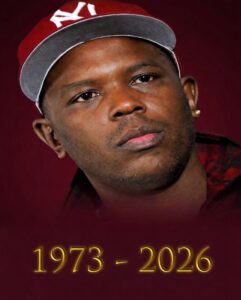
The passing of Oliver Grant at the age of 52 has sparked reflection throughout the hip-hop world, especially among those who understand that cultural movements are rarely built by artists alone. Behind every influential collective, groundbreaking sound, or transformative era, there are individuals whose work unfolds away from center stage. These are the strategists, organizers, visionaries, and believers who help shape raw creativity into something capable of lasting beyond a moment. Grant represented exactly that kind of figure within the rise of the legendary Wu-Tang Clan. Though he was not known primarily as a rapper or performer, his contributions behind the scenes became deeply woven into the group’s identity, business direction, and long-term influence. His role demonstrated that leadership within hip-hop has never belonged exclusively to the microphone. Sometimes the most important voices are the ones guiding strategy, protecting vision, and helping artists recognize possibilities beyond music itself.
During the early 1990s, hip-hop was experiencing a period of rapid transformation. Regional styles were emerging, record labels were beginning to recognize the genre’s commercial power, and artists were searching for ways to maintain authenticity while navigating an industry that often prioritized profit over creative control. Within this environment, the emergence of the Wu-Tang Clan felt unlike anything audiences had seen before. The collective’s gritty sound, martial arts-inspired imagery, lyrical complexity, and unconventional structure challenged many of the established expectations surrounding rap groups at the time. Instead of operating as a traditional act built around a single frontman, the group embraced a collective identity that allowed multiple personalities, styles, and creative voices to coexist under one banner. This approach not only expanded artistic possibilities but also created a business model that would later influence countless artists across the music industry.
Grant became an important part of that foundation during the group’s formative years. He recognized early that the potential of the collective extended far beyond albums and live performances. While many people viewed hip-hop strictly as entertainment, he saw it as culture, community, and enterprise combined into one evolving movement. This broader understanding helped shape some of the decisions that would later distinguish the group from its peers. Rather than focusing solely on immediate commercial success, there was a deeper emphasis on ownership, independence, and long-term cultural impact. Those ideas aligned closely with the ambitions of key members such as Method Man, GZA, and RZA, all of whom understood that maintaining creative freedom would be essential to preserving the collective’s identity.
At a time when many artists relied heavily on traditional label systems, the Wu-Tang Clan pursued a more innovative structure that allowed individual members to secure solo deals while still remaining connected to the larger group. This strategy was groundbreaking because it balanced collective unity with personal artistic growth. It demonstrated that artists did not necessarily have to choose between independence and collaboration. Grant’s business instincts and strategic perspective contributed to the environment that made these ideas possible. His understanding of branding, organization, and long-term planning helped reinforce the infrastructure surrounding the group during a critical period of expansion.
One of the clearest examples of this vision emerged through the creation of Wu Wear, the clothing line that became one of the earliest major examples of artist-driven fashion within hip-hop culture. Long before celebrity brands became common, Wu Wear represented a revolutionary concept: music artists creating a fashion identity directly connected to their cultural influence. Grant played a meaningful role in helping develop and expand the brand, understanding that the group’s impact extended beyond music into style, lifestyle, and visual identity. Fans did not simply want to listen to the music—they wanted to participate in the movement itself.
The success of Wu Wear helped redefine how artists approached branding and entrepreneurship within hip-hop. It proved that musicians could build businesses rooted in authenticity and cultural connection rather than relying solely on outside corporate partnerships. The brand became more than merchandise. It became a symbol of creative independence and ownership. In many ways, it anticipated the modern era in which artists routinely expand into fashion, technology, film, and other industries as extensions of their artistic identity. Today such strategies may seem common, but during the 1990s they represented a bold and innovative approach that challenged traditional industry thinking.
As the Wu-Tang Clan grew into one of the most influential groups in music history, their reach expanded across continents, generations, and cultural boundaries. Their albums became critically acclaimed landmarks within hip-hop, while individual members built successful solo careers that reinforced the group’s collective mythology. Yet behind that success remained a carefully maintained structure that protected the identity of the movement. Grant’s behind-the-scenes contributions helped ensure that the group’s growth did not come at the expense of its authenticity. His role may not have been visible to casual fans, but those involved closely with the movement understood how valuable his perspective and organizational support truly were.
What made figures like Grant especially important was their ability to think beyond short-term trends. Hip-hop during the 1990s was evolving rapidly, and many artists struggled to maintain relevance as industry expectations shifted. The Wu-Tang Clan, however, managed to remain culturally significant because its foundation extended deeper than commercial success alone. The group represented a philosophy rooted in originality, self-determination, and collective empowerment. Grant helped support that philosophy through strategic thinking that prioritized sustainability and long-term influence rather than temporary popularity.
Despite his influence, Grant largely avoided the spotlight. Unlike many figures connected to major entertainment movements, he did not appear driven by fame or personal attention. Instead, he focused on the work itself and on helping the broader vision succeed. This humility became part of what made him respected within the community. Those who collaborated with him often described someone who understood both the creative and practical dimensions of building something meaningful. He recognized that cultural impact requires infrastructure, planning, and discipline in addition to talent.
In an era increasingly shaped by visibility and self-promotion, Grant’s quieter approach stands out even more clearly. He represented a style of leadership rooted not in celebrity but in contribution. Rather than seeking recognition for every accomplishment, he appeared more concerned with ensuring that the collective itself continued growing and evolving successfully. That mentality reflected an understanding that true influence is often measured not by personal fame but by the lasting strength of the work created alongside others.
The continued relevance of the Wu-Tang Clan demonstrates the enduring power of the foundation established during those early years. Decades after the group first emerged, its music remains widely celebrated, studied, sampled, and referenced by artists around the world. Younger generations continue discovering the collective’s catalog, drawn to its originality and authenticity in an era where many listeners search for music that feels distinct and uncompromised. The group’s influence extends beyond hip-hop into fashion, film, television, sports, and broader popular culture. That level of longevity rarely happens by accident. It requires vision, structure, and strategic thinking from individuals willing to build something capable of surviving changes in trends and industry dynamics.
Grant’s passing has encouraged many within the hip-hop community to revisit and acknowledge the importance of behind-the-scenes contributors whose names may not always dominate headlines but whose work fundamentally shapes cultural history. Too often, public narratives focus exclusively on performers while overlooking the entrepreneurs, managers, organizers, and strategists who help transform artistic movements into lasting institutions. Grant’s story reminds people that influence operates on many levels. Sometimes the most transformative individuals are the ones creating opportunities, reinforcing structure, and helping others fully realize their potential.
His legacy also reflects the broader evolution of hip-hop itself. What began as a local cultural expression eventually became one of the most influential global art forms in modern history. Along the way, figures like Grant helped demonstrate that hip-hop could be more than music. It could become business, fashion, media, and community-building all at once. The entrepreneurial pathways now common throughout the industry were shaped in part by early innovators willing to challenge limitations and imagine broader possibilities for artists and creatives.
For aspiring entrepreneurs and artists today, Grant’s life offers valuable lessons about the importance of vision and patience. Success within creative industries rarely emerges from talent alone. It often depends on the ability to recognize opportunities others overlook and to build systems capable of supporting long-term growth. Grant understood that sustainable cultural influence requires more than popularity. It requires infrastructure, collaboration, and strategic thinking that extends beyond immediate results.
As tributes continue appearing from artists, collaborators, and fans, a clearer picture emerges of someone whose impact cannot be reduced to a single accomplishment or public role. His influence existed in the spaces between music and business, between creativity and organization, between artistic ambition and practical execution. He helped support a movement that changed not only hip-hop but also broader conversations about ownership, branding, independence, and cultural power.
In many ways, the enduring success of the Wu-Tang Clan serves as part of his legacy. Every new generation discovering the group’s music, every artist inspired by its independent spirit, and every entrepreneur influenced by its business model reflects the lasting impact of the foundation he helped strengthen. His contributions remain embedded within a movement that continues shaping culture decades after its creation.
While public attention often focuses on visible stars, moments like this remind audiences to recognize the architects working quietly behind the scenes. Oliver “Power” Grant may not have stood at the front of the stage, but his vision, loyalty, and strategic influence helped build one of the most iconic collectives in music history. His work demonstrated that cultural revolutions are rarely created by individuals alone. They are built by communities of people who believe deeply in an idea and dedicate themselves to helping it grow.
As the hip-hop world reflects on his passing, what remains most significant is not simply what he accomplished, but the way he approached the work itself—with focus, humility, creativity, and belief in something larger than personal recognition. That spirit continues living through the music, business innovations, and cultural influence connected to the movement he helped shape. And in that sense, his legacy remains not only remembered, but still active, continuing to inspire artists, entrepreneurs, and visionaries around the world.