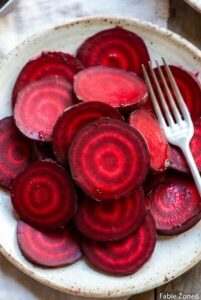
For generations, beetroot occupied a relatively modest place in kitchens around the world. Often viewed as a traditional root vegetable with a strong earthy flavor, it rarely received the attention given to trendier health foods or exotic superfoods. Yet over the past two decades, scientific research has dramatically changed the way nutritionists, physicians, athletes, and wellness experts view this deep red vegetable. What was once considered ordinary is now recognized as one of the most physiologically beneficial plant foods available. Modern studies continue revealing how beetroot supports circulation, cardiovascular function, endurance, digestion, inflammation control, and even cognitive performance through a fascinating combination of naturally occurring compounds.
At the center of beetroot’s growing reputation is its unusually high concentration of dietary nitrates. While the word “nitrate” often raises concern because of its association with processed meats and artificial preservatives, naturally occurring nitrates found in vegetables behave very differently in the human body. In fact, leafy greens and root vegetables are among the healthiest dietary nitrate sources available, and beetroot stands out as one of the richest.
Once consumed, these natural nitrates begin an intricate biological transformation. Beneficial bacteria living in the mouth convert nitrates into nitrites, which are then further converted into nitric oxide inside the stomach and bloodstream. Nitric oxide is one of the body’s most important signaling molecules because it helps blood vessels relax and widen through a process known as vasodilation.
This widening of blood vessels improves circulation throughout the body. Oxygen and nutrients can move more efficiently to muscles, organs, and tissues while the heart experiences less resistance when pumping blood. Cardiologists often emphasize how critical proper vascular function is for maintaining long-term cardiovascular health, and nitric oxide plays a major role in that system.
As blood vessels become more flexible and efficient, blood pressure may decrease modestly but meaningfully. Numerous studies have shown that regular beet consumption can help support healthy blood pressure levels, especially in individuals already experiencing mild hypertension. Although beetroot is not a replacement for medical treatment, its natural support for vascular health makes it an increasingly respected addition to preventive nutrition strategies.
Improved circulation also influences how people feel physically and mentally. Better oxygen delivery throughout the body often translates into increased stamina, more stable energy levels, and reduced feelings of sluggishness. Many individuals who begin eating beets regularly report feeling more alert and energized during the day without the sharp spikes and crashes associated with stimulants or highly processed foods.
Athletes became especially interested in beetroot after research demonstrated measurable improvements in exercise performance and endurance. During physical activity, muscles require enormous amounts of oxygen to produce energy efficiently. By improving blood flow and oxygen utilization, nitric oxide helps muscles perform more effectively while delaying fatigue.
This means athletes may sustain exercise longer before exhaustion sets in. Studies involving runners, cyclists, swimmers, and endurance athletes have repeatedly shown performance benefits associated with beetroot supplementation or beet juice consumption. Some participants demonstrated improved oxygen efficiency, meaning their bodies required less oxygen to perform the same amount of work.
For professional athletes, even small gains in endurance or recovery can make a significant difference. However, the benefits are not limited to elite competitors. Everyday individuals who exercise recreationally may also notice improved stamina during walks, gym sessions, cycling, or other physical activities.
Interestingly, improved blood flow also affects brain function. The brain depends heavily on constant oxygen and nutrient delivery, and circulation plays a crucial role in maintaining cognitive performance. Researchers studying nitric oxide and vascular health increasingly believe beetroot may help support focus, mental clarity, and healthy aging by enhancing blood flow to certain brain regions.
Older adults in particular may benefit from these effects because circulation naturally declines with age. While beetroot alone cannot prevent cognitive decline, supporting vascular function through nutrition may contribute positively to long-term brain health when combined with other healthy lifestyle habits.
Beyond circulation, beetroot provides substantial digestive benefits due to its fiber content. Modern diets often contain inadequate amounts of fiber, contributing to digestive discomfort, irregularity, unstable blood sugar, and metabolic dysfunction. Beetroot offers both soluble and insoluble fiber, each supporting the body in different but complementary ways.
Soluble fiber slows digestion and helps regulate how sugars and fats enter the bloodstream. This creates more stable energy release after meals and helps reduce rapid blood sugar spikes. For people managing insulin sensitivity or trying to avoid energy crashes throughout the day, foods containing soluble fiber can be especially helpful.
Insoluble fiber works differently by adding bulk to stool and supporting healthy bowel movements. It encourages efficient waste elimination while helping maintain digestive regularity. Individuals who incorporate beets regularly into their meals often notice improvements in digestion, including reduced bloating and more consistent bowel function.
Fiber also nourishes beneficial gut bacteria. Scientists now understand that the gut microbiome influences far more than digestion alone. Gut bacteria affect immune regulation, inflammation, mood, metabolism, and even communication between the digestive system and the brain through what researchers call the gut-brain axis.
A healthier digestive environment can therefore contribute to broader improvements in overall well-being. Many people underestimate how strongly digestion influences energy, mood, sleep quality, and immune resilience. Foods like beetroot that support both microbial diversity and digestive function can have surprisingly wide-reaching effects over time.
Another important advantage of fiber-rich foods is satiety. Meals containing fiber tend to feel more filling and satisfying, helping reduce overeating and unnecessary snacking. Because beetroot provides natural carbohydrates alongside fiber, it delivers sustained energy rather than the rapid spikes associated with refined sugars or heavily processed snacks.
This makes beetroot particularly useful within balanced weight-management strategies. Rather than functioning as a “diet food,” it supports stable appetite regulation and metabolic consistency in a more sustainable way.
Perhaps the most visually striking aspect of beetroot is its deep crimson-purple color. This intense pigmentation comes from compounds known as betalains, which possess powerful antioxidant and anti-inflammatory properties. These compounds are among the reasons beetroot attracts such significant attention in nutritional science.
Oxidative stress occurs when unstable molecules called free radicals damage cells throughout the body. Over time, excessive oxidative stress contributes to aging and increases the risk of chronic diseases including cardiovascular disease, metabolic disorders, and neurodegenerative conditions. Antioxidants help neutralize these free radicals before extensive damage occurs.
Betalains act as potent antioxidants while also influencing inflammatory pathways inside the body. Chronic low-grade inflammation has become increasingly recognized as a major contributor to modern disease. Unlike short-term inflammation, which helps the body heal from injuries or infections, persistent inflammation gradually damages tissues and disrupts normal function.
By helping regulate inflammatory processes, beetroot may contribute to long-term cellular protection and healthier aging. These anti-inflammatory effects may partially explain why many individuals report feeling lighter, clearer, or more energized after consistently incorporating beets into their diets.
The liver appears to benefit especially from beetroot’s antioxidant compounds. As the body’s primary detoxification organ, the liver processes metabolic waste, medications, environmental toxins, and byproducts from digestion. Supporting liver function through nutrition is very different from the extreme “detox cleanses” often promoted online.
Rather than forcing the body through restrictive regimens, beetroot supports the liver’s natural detoxification systems gently and sustainably. Certain compounds in beets appear to enhance the liver’s normal enzyme activity and protective mechanisms, allowing the organ to function more efficiently without disruption.
This distinction is important because genuine long-term health improvements usually come from consistent support rather than dramatic short-term interventions. Beetroot exemplifies this principle well. Its benefits accumulate gradually through regular use instead of delivering artificial or temporary effects.
Skin health may also improve indirectly through beetroot’s antioxidant and circulation-enhancing properties. Better blood flow helps deliver nutrients and oxygen to skin tissues, while reduced oxidative stress may support healthier cellular turnover and lower inflammatory irritation. Over time, some individuals notice brighter or more even-looking skin as overall internal health improves.
In addition to its specialized compounds, beetroot contains an impressive collection of vitamins and minerals essential for daily function. One of the most important is folate, a B-vitamin necessary for DNA synthesis, cellular repair, and healthy cell division. Folate becomes especially important during pregnancy because it supports proper fetal development and nervous system formation.
Potassium is another major nutrient found in beetroot. This mineral helps regulate fluid balance, muscle contractions, nerve signaling, and blood pressure. Potassium works in balance with sodium to maintain cardiovascular stability, making it particularly valuable in diets often overloaded with processed sodium-rich foods.
Beets also contain manganese, which supports metabolism, bone health, antioxidant defense systems, and enzyme activity throughout the body. Iron contributes to oxygen transport through the formation of hemoglobin in red blood cells. Although plant-based iron is less easily absorbed than animal-based iron, pairing beets with vitamin C-rich foods can significantly improve absorption rates.
Together, these nutrients create a synergistic effect that supports energy production, resilience, cognitive performance, and overall vitality. Rather than acting as a quick-fix supplement, beetroot strengthens foundational physiological systems gradually over time.
Despite all these benefits, balance remains important. Beetroot is highly nutritious, but it should not be treated as a miracle cure or consumed excessively in concentrated forms without awareness. Moderation and dietary variety remain central principles of good nutrition.
One important consideration involves beet juice. While beet juice delivers concentrated nitrates quickly, it lacks much of the fiber found in whole beets. Without fiber slowing digestion, large amounts of juice may lead to faster blood sugar increases in some individuals. Whole beets generally provide a more balanced metabolic effect because the fiber moderates nutrient absorption naturally.
Another harmless but sometimes surprising effect is beeturia, a condition in which urine or stool temporarily turns pink or reddish after consuming beets. This occurs because betalain pigments pass through the digestive system and is generally harmless. However, individuals unfamiliar with beeturia may become alarmed if they suddenly notice unusual coloration after eating beets.
People prone to kidney stones should also exercise moderate caution. Beets contain oxalates, naturally occurring compounds that may contribute to kidney stone formation in susceptible individuals. This does not mean such individuals must avoid beets entirely, but discussing intake levels with a healthcare provider may be wise.
Additionally, individuals already taking medication for blood pressure should monitor their response if significantly increasing beet intake. Because beetroot naturally supports lower blood pressure through nitric oxide production, combining large amounts with blood pressure medications could potentially amplify effects in certain cases.
These considerations do not diminish beetroot’s overall value. Instead, they reinforce an important principle in nutrition: even highly beneficial foods work best as part of a balanced, individualized diet rather than in extreme quantities or isolation.
One reason beetroot remains practical and sustainable is its versatility in cooking. It can be roasted, steamed, grated raw into salads, blended into smoothies, pickled, baked into chips, or added to soups and grain bowls. Its natural sweetness pairs well with savory and acidic ingredients alike.
Roasting tends to intensify beetroot’s sweetness and soften its earthy flavor, making it more approachable for individuals who initially dislike raw beets. Pairing beets with citrus, goat cheese, walnuts, herbs, or yogurt often creates balanced flavor combinations that appeal to a wider range of tastes.
Beet greens, which are frequently discarded, also contain valuable nutrients and can be sautéed or added to soups similarly to spinach or Swiss chard. This makes beetroot one of the more nutritionally efficient vegetables available because nearly every part can be utilized.
Importantly, the greatest benefits from beetroot come through consistency rather than occasional large doses. Small, regular inclusion within a broader whole-food diet is generally more effective than relying on concentrated supplements or temporary “health kicks.”
This reflects a larger truth about nutrition itself. Lasting health rarely results from dramatic short-term interventions. Instead, it develops gradually through repeated daily habits that support the body’s natural systems over time. Beetroot fits beautifully into this philosophy because its benefits accumulate steadily rather than artificially.
In a culture increasingly obsessed with instant results, beetroot offers something refreshingly simple and grounded. It demonstrates how ordinary foods can profoundly influence human physiology when consumed consistently and thoughtfully. Improved circulation, better digestion, reduced inflammation, enhanced endurance, and stronger metabolic support are not dramatic overnight transformations. They are the cumulative result of nourishing the body steadily at its foundation.
Ultimately, the “beetroot upgrade” is less about following a trend and more about rediscovering the power of nutrient-dense whole foods. Science continues confirming what traditional diets often understood intuitively: simple plant foods can support complex systems in remarkable ways.
By incorporating beetroot regularly into balanced meals, individuals may experience meaningful improvements in energy, cardiovascular health, digestion, cognitive function, and overall vitality. While no single food can guarantee perfect health, beetroot stands out as one of the clearest examples of how nature provides powerful tools for supporting the body naturally, sustainably, and effectively over the long term.