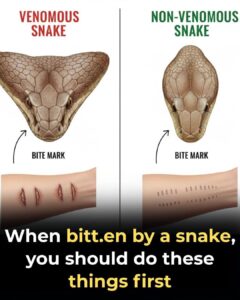
What to Do After a Snakebite: Essential First Aid Guide for Survival and Safety
Snakebites are among the most alarming medical emergencies a person can experience, largely because they happen suddenly and often in environments where immediate medical help is not nearby. The shock of being bitten can trigger panic, confusion, and fast reactions that may actually worsen the situation. While not every snakebite is venomous, every bite must be treated as a potential medical emergency until professionals determine otherwise.
The outcome of a snakebite depends less on the initial moment of the bite and more on what is done in the minutes and hours afterward. Correct first aid can significantly reduce complications and improve survival rates, while incorrect actions can accelerate harm. Understanding what to do—and what to avoid—is essential knowledge for anyone who spends time outdoors, lives in rural areas, or works in environments where snakes may be present.
Understanding Snakebite Severity
One of the most important facts about snakebites is that they vary widely in severity. Some snakes are non-venomous and cause only minor puncture wounds. Even venomous snakes do not always inject venom; this is known as a “dry bite.” In other cases, a full dose of venom may be delivered, leading to rapid and severe symptoms.
Because it is impossible to determine the level of envenomation immediately, medical professionals treat all snakebites as urgent. Waiting to see if symptoms develop can waste valuable time. Early response is always safer than delayed action.
The First Priority: Safety and Distance
Immediately after a bite, the first step is to move away from the snake. Many secondary bites occur when a person tries to identify, capture, or kill the animal. This increases risk significantly. The snake may still be nearby, and a stressed or injured snake can strike again.
The safest action is to leave the area slowly and carefully. Sudden movements should be avoided, as they may increase heart rate and help spread venom more quickly through the bloodstream. Once at a safe distance, the focus should shift entirely to the victim’s condition.
Staying Calm Can Save a Life
Panic is one of the most dangerous responses to a snakebite. Fear increases adrenaline, which raises heart rate and blood circulation. This can potentially spread venom faster through the body. While emotional reactions are natural, controlling panic is critical.
The victim should be encouraged to sit or lie down in a stable position. Reassurance from others can help reduce anxiety. Slow, controlled breathing is helpful to prevent hyperventilation and dizziness. Calm behavior from bystanders plays a major role in stabilizing the situation.
Call Emergency Services Immediately
Medical help should be contacted as soon as possible. Even if the bite appears minor, professional evaluation is essential. Some venom effects take time to appear, and early treatment improves outcomes significantly.
Emergency responders can provide guidance over the phone while arranging transport. In remote areas, this step is even more critical because delays in treatment increase the risk of complications.
Immobilize the Affected Limb
If the bite is on an arm or leg, the limb should be kept as still as possible. Movement helps spread venom through lymphatic and circulatory systems. Ideally, the limb should be kept at or slightly below heart level.
A simple splint can be used if available, such as a stick or rigid material tied gently to support the limb. The goal is not to apply pressure but to prevent unnecessary movement.
Tight clothing, jewelry, watches, or shoes should be removed immediately before swelling begins. Snakebite swelling can progress rapidly, and constricting items may later restrict blood flow.
Wound Care: Keep It Clean but Simple
The bite area should not be aggressively washed, cut, or manipulated. A light cleaning with clean water and mild soap is acceptable, but nothing more. The wound should then be covered with a clean, dry cloth or bandage.
Doctors sometimes use information from the wound to assess the type of snake involved, so disturbing it unnecessarily is discouraged.
Dangerous Myths That Must Be Avoided
Many traditional or cinematic treatments for snakebites are not only ineffective but harmful.
One of the most dangerous myths is the use of tourniquets. Tight bindings around a limb can stop blood flow completely, leading to tissue death and potentially amputation. They can also trap venom in one area, intensifying local damage.
Another common myth is cutting open the bite and attempting to suck out venom. This method does not remove significant venom and introduces infection risk. It may also expose the rescuer to venom through small cuts in the mouth.
Applying ice is also discouraged. Cold temperatures can worsen tissue damage, especially when circulation is already affected by venom.
Alcohol and caffeine should also be avoided because they can affect heart rate, hydration, and blood pressure, potentially complicating symptoms.
Recognizing Symptoms of Envenomation
Symptoms vary depending on the snake species and amount of venom injected. Some effects appear quickly, while others take hours.
Common symptoms include:
- Pain and swelling at the bite site
- Bruising or discoloration
- Nausea or vomiting
- Dizziness or weakness
- Sweating or chills
- Numbness or tingling
More serious symptoms may include:
- Difficulty breathing
- Drooping eyelids or blurred vision
- Muscle weakness or paralysis
- Uncontrolled bleeding
- Rapid swelling spreading up the limb
- Signs of shock such as low blood pressure or fainting
Any progression of symptoms should be treated as a medical emergency.
How Different Venoms Affect the Body
Snake venoms are complex and affect the body in different ways. Some are neurotoxic, targeting the nervous system and interfering with muscle control. These can lead to paralysis or breathing failure if untreated.
Others are hemotoxic, affecting blood clotting and damaging blood vessels. These may cause internal bleeding, swelling, and tissue destruction.
Some venoms are cytotoxic, directly destroying tissue at the bite site, leading to severe local damage.
Understanding the type of venom is less important for first aid than recognizing that all require urgent medical treatment.
Special Considerations for Children and Elderly Victims
Children are more vulnerable to snake venom because of their smaller body mass. A similar amount of venom can have a stronger effect compared to adults. Elderly individuals or those with underlying health conditions may also experience more severe complications.
For these groups, rapid medical response is even more critical.
Animal Snakebites
Pets, especially dogs, are frequently bitten while exploring outdoor areas. Symptoms in animals may include swelling, weakness, collapse, or difficulty breathing. Veterinary care should be sought immediately, as animal outcomes also depend heavily on rapid treatment.
Transporting the Victim Safely
If emergency responders are far away, the victim should be transported carefully without unnecessary walking. Movement should be minimized as much as possible. If available, carrying the person or using a stretcher is preferable to having them walk long distances.
Hospital Treatment and Antivenom
At the hospital, doctors assess the severity of the bite and decide whether antivenom is necessary. Antivenom works by neutralizing toxins in the bloodstream and preventing further damage.
Not all bites require antivenom. Medical teams evaluate symptoms, blood tests, and progression before deciding. Treatment may also include pain control, fluids, wound care, and monitoring for complications.
Some patients may require extended observation to ensure no delayed symptoms appear.
Recovery and Possible Complications
Recovery time varies widely. Some individuals recover within days, while others may require weeks or longer. Complications can include nerve damage, scarring, reduced mobility, or chronic pain in severe cases.
Early treatment greatly reduces the risk of long-term effects.
Prevention Is the Best Protection
Avoiding snakebites is far safer than treating them. Most snakes bite only when threatened or accidentally stepped on.
Preventive measures include:
- Wearing boots and long pants outdoors
- Staying on clear paths
- Avoiding tall grass and dense brush
- Using lights at night
- Not reaching into hidden areas
- Keeping yards clean and free of debris
Homes should be maintained to reduce rodent populations, as snakes often follow food sources.
Children should be taught never to touch or approach snakes under any circumstances.
The Importance of Education and Awareness
Misinformation about snakebites has persisted for generations. Movies and stories often promote dramatic but incorrect treatments. Education helps replace fear with informed action.
Knowing how to respond correctly reduces panic and improves outcomes. In many regions, lack of awareness is one of the biggest contributors to snakebite fatalities.
Final Thoughts
A snakebite is a serious medical emergency, but it is also a situation where calm thinking and correct action can make a major difference. The essential steps are simple: move to safety, stay calm, immobilize the limb, remove constricting items, and seek immediate medical help. Avoid harmful myths such as cutting, sucking, or tightly binding the wound.
Preparedness is powerful. In critical moments, knowledge becomes the most important tool for survival.