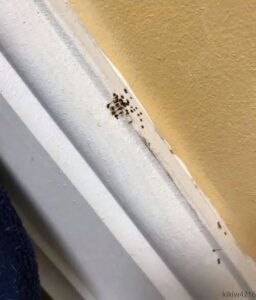
Small black specks appearing in kitchens are often overlooked at first, but in some cases they can indicate the presence of pests. While not every instance points to a serious infestation, these marks—commonly known as insect droppings or “frass”—can be an early sign that insects are active nearby.
Understanding what these signs mean can help you respond early and prevent larger problems.
What Are the Black Dots?
In many household environments, tiny dark specks are insect waste. Their appearance can vary depending on the species but commonly includes:
- Small dark pellets or grains
- Fine powder-like residue near corners or cracks
- Clusters along shelves, walls, or cabinet edges
These traces are typically left behind as insects move through food storage or hidden areas.
Common sources include pantry pests, cockroaches, and other insects that feed on stored food products such as flour, grains, cereals, spices, or packaging residues.
Why Kitchens Are Commonly Affected
Kitchens provide everything pests need to survive:
- Food sources (even small crumbs are sufficient)
- Moisture from sinks and plumbing
- Warm environments from appliances
- Hidden spaces such as cracks and cabinets
Because of this, insects can remain unnoticed for extended periods while feeding and reproducing.
Possible Insects Behind the Signs
Several types of pests may be responsible:
Cockroaches (especially nymphs)
Leave behind dark droppings resembling pepper or coffee grounds, often along walls and baseboards.
Pantry beetles
Common in dry goods storage; their residue can appear as fine dark dust.
Moth larvae (pantry moths)
May leave small debris near infested food items.
Other stored-product insects
Can contaminate grains and packaged foods, leaving subtle traces of activity.
Correct identification is important because treatment methods vary depending on the species.
Why the Dots May Seem Sudden
In many cases, infestations develop gradually and remain hidden. Signs become visible only when populations grow or food sources become limited.
Common hiding places include:
- Behind refrigerators and appliances
- Inside unopened or damaged packaging
- Under sinks or near plumbing
- Within wall or floor gaps
By the time visible signs appear, insects may already have established a stable presence.
Possible Health and Hygiene Concerns
While not all insect activity leads to illness, certain risks may be associated with prolonged exposure:
- Allergic reactions from insect debris
- Contamination of stored food
- Potential bacterial transfer from surfaces
- Respiratory irritation in sensitive individuals
Maintaining cleanliness and addressing early signs helps reduce these risks significantly.
How to Check for a Problem
If you notice repeated black specks, consider:
- Whether they reappear after cleaning
- Inspecting dry food for damage or webbing
- Checking for live insects at night
- Noting unusual odors in storage areas
- Looking for trails or concentrated clusters
Multiple indicators together increase the likelihood of pest activity.
Immediate Steps You Can Take
If you suspect an issue:
- Clean the area thoroughly using vacuuming and disinfecting
- Inspect all pantry and dry food items
- Store food in sealed, airtight containers
- Address moisture sources or leaks
- Monitor with simple traps if needed
Early action can prevent further spread.
Prevention Methods
Long-term prevention relies on consistent habits:
- Regular cleaning of kitchen surfaces and hidden areas
- Proper food storage in sealed containers
- Reducing clutter where pests can hide
- Controlling humidity and fixing leaks
- Routine pantry inspections
When to Seek Professional Help
If signs persist despite cleaning, or if insects are repeatedly observed, a pest control professional can:
- Identify the exact species involved
- Locate hidden nesting areas
- Apply targeted treatments safely
- Help prevent reinfestation
Professional help is especially useful in larger homes or shared buildings.
Final Thoughts
Tiny black specks in a kitchen are not always a cause for alarm, but they should not be ignored. In some cases, they are simply residue—but in others, they can be an early indicator of pest activity.
Recognizing these signs early allows for simple corrective steps that can prevent larger issues later. With regular cleaning, proper food storage, and timely inspection, most household infestations can be avoided or controlled before they develop further.