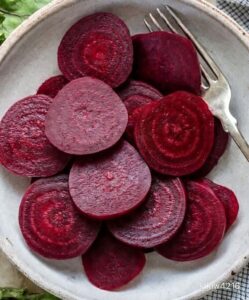
Beets have spent much of their history in the shadow of more celebrated vegetables. While kale, spinach, and broccoli often dominate conversations about nutrition, beetroot has quietly built a reputation among scientists, physicians, nutritionists, and athletes as one of the most biologically impressive foods available. Its vivid color, earthy flavor, and remarkable nutrient profile make it far more than a simple side dish. Modern research continues to uncover how this humble root vegetable influences blood flow, cardiovascular health, athletic performance, digestion, inflammation, brain function, and overall vitality.
Unlike many wellness trends that rise and fall with changing fashions, the health benefits associated with beets are supported by a growing body of scientific evidence. Researchers have explored the unique compounds within beetroot and discovered that its effects reach virtually every major system in the body. While no single food can transform health overnight, beets demonstrate how consistent dietary choices can produce meaningful improvements over time.
What makes beetroot especially fascinating is that its benefits arise from several different biological mechanisms working together simultaneously. The vegetable contains dietary nitrates, fiber, antioxidants, vitamins, minerals, and unique plant compounds that create a powerful nutritional package. Rather than relying on one superstar nutrient, beets deliver a coordinated network of health-supporting elements that reinforce one another.
At the center of much of the excitement surrounding beets is their unusually high concentration of naturally occurring nitrates. These compounds begin a remarkable journey the moment they enter the body. After consumption, dietary nitrates are absorbed and circulated through the bloodstream before being concentrated in saliva. Beneficial bacteria in the mouth convert these nitrates into nitrites, which are then transformed into nitric oxide within the body.
Nitric oxide plays a critical role in cardiovascular function. It signals blood vessels to relax and widen, a process known as vasodilation. As blood vessels expand, circulation improves, allowing oxygen and nutrients to reach tissues more efficiently. This enhanced blood flow reduces strain on the heart while supporting the function of organs throughout the body.
For individuals concerned about cardiovascular health, this mechanism is particularly important. Healthy blood vessels are essential for maintaining stable blood pressure, supporting heart function, and reducing long-term cardiovascular risk. Research has consistently shown that nitrate-rich foods like beets can contribute to modest but measurable reductions in blood pressure when consumed regularly.
The significance of these findings becomes clearer when considering the prevalence of hypertension worldwide. High blood pressure remains one of the leading risk factors for heart disease, stroke, and kidney complications. While beets should never replace prescribed medical treatments, many healthcare professionals view them as a valuable dietary addition that may complement broader heart-healthy lifestyle habits.
Improved circulation affects far more than the cardiovascular system alone. Enhanced blood flow means that muscles receive oxygen more efficiently during physical activity. This is one reason athletes have embraced beetroot products with such enthusiasm.
Professional competitors, endurance athletes, cyclists, runners, and fitness enthusiasts frequently consume beetroot juice before training sessions or competitions. Numerous studies suggest that beet-derived nitrates can improve exercise performance by increasing oxygen efficiency. In practical terms, this means the body may require less oxygen to perform the same amount of work.
The result is often improved endurance and delayed fatigue.
Athletes commonly report being able to sustain effort longer, recover more efficiently, and experience reduced perceptions of exertion during demanding activities. While the improvements may appear modest on paper, even small gains can make a meaningful difference in competitive environments where performance margins are often extremely narrow.
Interestingly, the benefits extend beyond elite athletes. Everyday individuals engaging in recreational exercise may also experience enhanced stamina and energy levels when incorporating beets into their diets. Whether someone enjoys jogging, hiking, cycling, swimming, or simply staying active, improved circulation supports physical performance in ways that contribute to overall quality of life.
The brain is another major beneficiary of enhanced blood flow.
As humans age, maintaining healthy circulation to the brain becomes increasingly important. Reduced blood flow has been associated with cognitive decline, memory challenges, and diminished mental sharpness. Because nitric oxide helps support vascular function, researchers have investigated whether nitrate-rich foods might influence cognitive performance.
Early findings are promising.
Studies suggest that increased cerebral blood flow may support attention, executive function, and overall cognitive performance. Older adults in particular may benefit from improved circulation in regions of the brain associated with decision-making and memory.
Many individuals who consume beets regularly describe experiencing greater mental clarity and sustained concentration throughout the day. While these subjective experiences vary from person to person, they align with the broader understanding that healthy circulation supports healthy brain function.
Beyond circulation and cardiovascular benefits, beets contribute significantly to digestive health.
A medium-sized beet contains a meaningful amount of dietary fiber, a nutrient that remains underconsumed in many modern diets. Fiber supports digestion through multiple mechanisms, helping maintain regular bowel movements while promoting the growth of beneficial gut bacteria.
The digestive system depends heavily on both soluble and insoluble fiber.
Soluble fiber absorbs water and forms a gel-like substance within the digestive tract. This process slows digestion and helps regulate the absorption of sugars into the bloodstream. As a result, blood glucose levels tend to rise more gradually after meals, reducing dramatic spikes and crashes.
This effect can be especially beneficial for individuals concerned about blood sugar management.
Insoluble fiber serves a different but equally important role. It adds bulk to stool, supports intestinal movement, and helps prevent constipation. Regular digestive function contributes not only to physical comfort but also to overall health and metabolic efficiency.
The relationship between fiber and gut health extends even further.
Beneficial bacteria within the digestive tract rely on certain fibers as fuel. These microorganisms influence numerous aspects of human health, including immune function, inflammation regulation, and even mood through the gut-brain connection.
When people increase their intake of fiber-rich vegetables such as beets, they often notice improvements in digestive comfort, regularity, and overall well-being. These changes may develop gradually but can become significant over time.
Beets also support metabolic health in ways that extend beyond fiber alone.
Despite their natural sweetness, they possess a relatively balanced nutritional profile that allows them to satisfy cravings while delivering substantial nutrients. Their fiber content slows sugar absorption, helping maintain more stable energy levels throughout the day.
Many individuals struggle with energy fluctuations linked to blood sugar instability. Sharp rises in glucose are often followed by equally dramatic declines, leading to fatigue, irritability, and cravings for additional sugar.
Whole beets help counteract this cycle.
By promoting steadier blood sugar responses, they contribute to more consistent energy and improved appetite regulation. This makes them a valuable component of eating patterns focused on weight management, metabolic health, and sustained vitality.
One of the most visually striking aspects of beetroot is its vibrant color.
Those deep reds and purples are produced by compounds known as betalains, which represent one of the vegetable’s most unique features. Unlike many other plant pigments, betalains possess distinctive antioxidant and anti-inflammatory properties that continue to attract scientific attention.
Antioxidants protect cells from oxidative stress caused by unstable molecules known as free radicals. Excessive oxidative stress contributes to aging and may play a role in the development of numerous chronic diseases.
Betalains help neutralize these harmful compounds.
At the same time, they appear to influence inflammatory pathways within the body. Chronic low-grade inflammation is increasingly recognized as a contributor to cardiovascular disease, metabolic disorders, arthritis, and other health concerns.
The anti-inflammatory effects associated with betalains may help create a healthier internal environment, allowing tissues to function more efficiently and recover more effectively from everyday stressors.
Liver health represents another area where beetroot may provide meaningful support.
The liver serves as the body’s primary detoxification organ, processing metabolic waste products, environmental toxins, medications, and countless other substances. Certain compounds within beets appear to assist the liver’s natural detoxification processes, supporting its ability to perform these essential functions efficiently.
Importantly, this support differs dramatically from the exaggerated claims often associated with commercial “detox” products.
The body already possesses highly sophisticated detoxification systems. Foods like beets simply provide nutrients and compounds that help these systems operate effectively rather than forcing unnatural cleansing processes.
Many people report feeling lighter, more energetic, and mentally clearer after incorporating beets into their diets consistently. While these experiences are subjective, they align with the broader understanding that reducing inflammatory burden and supporting healthy organ function can enhance overall well-being.
Beets are also rich in several essential vitamins and minerals that contribute to health in numerous ways.
Folate stands out among the most important.
This B vitamin plays a critical role in DNA synthesis, cell division, and tissue growth. Adequate folate intake is particularly important during pregnancy because it supports proper fetal development and helps reduce the risk of neural tube defects.
Potassium represents another major nutritional strength of beetroot.
This mineral helps regulate fluid balance, nerve signaling, and muscle contractions while contributing to healthy blood pressure regulation. Because many modern diets contain excessive sodium and insufficient potassium, increasing consumption of potassium-rich foods can support cardiovascular health significantly.
Manganese, though less frequently discussed, also deserves attention.
This trace mineral participates in numerous enzymatic processes throughout the body, supporting metabolism, antioxidant defense systems, and bone formation. Consistent intake contributes to long-term health maintenance and physiological resilience.
Iron is present as well.
Although plant-based iron is absorbed less efficiently than iron from animal sources, it still contributes to healthy red blood cell production and oxygen transport. Pairing beets with vitamin C-rich foods can improve iron absorption and maximize their nutritional value.
The synergy among these nutrients is particularly important.
Nutrition science increasingly recognizes that whole foods provide benefits beyond isolated nutrients because their components interact in complex and complementary ways. Beets exemplify this principle beautifully.
The combination of nitrates, fiber, antioxidants, vitamins, and minerals creates a nutritional package greater than the sum of its individual parts.
Despite their impressive profile, beets are not without considerations.
One of the most common effects of beet consumption is a harmless condition known as beeturia. Individuals experiencing beeturia may notice red or pink coloration in their urine or stool after eating beets.
While this can be surprising, it is generally benign and simply reflects the passage of beet pigments through the digestive system.
People with a history of calcium oxalate kidney stones should also exercise moderation.
Beets contain oxalates, naturally occurring compounds that may contribute to stone formation in susceptible individuals when consumed excessively. This does not necessarily mean avoiding beets entirely, but moderation and proper hydration are advisable.
Individuals taking medications that lower blood pressure should consult healthcare providers before dramatically increasing intake of concentrated beet products such as beetroot powders or large quantities of juice. Because beets can influence blood pressure naturally, combining them with medications may require monitoring in certain situations.
Another important distinction involves the form in which beets are consumed.
Whole beets generally provide the greatest overall nutritional benefit because they retain fiber and preserve the vegetable’s natural nutrient matrix. While beet juice remains popular, it removes much of the fiber that contributes to blood sugar regulation and digestive health.
That does not make juice unhealthy, but it changes the nutritional experience.
Whole foods typically offer the most balanced and sustainable approach.
Fortunately, beets are remarkably versatile.
They can be roasted until sweet and caramelized, steamed for simplicity, grated raw into salads, blended into smoothies, pickled for preservation, or incorporated into soups and side dishes. Their earthy sweetness pairs beautifully with ingredients such as goat cheese, citrus fruits, walnuts, herbs, and leafy greens.
Even individuals who initially dislike beets often discover preparations they enjoy.
Roasting tends to mellow the flavor while enhancing natural sweetness. Golden beets offer a milder taste profile, while striped varieties provide visual appeal and subtle flavor differences.
These options make it easier to incorporate beetroot regularly without dietary boredom.
Ultimately, the true value of beetroot lies not in dramatic claims or quick fixes but in consistent support for the body’s natural systems.
Its effects accumulate gradually.
Improved circulation supports heart health and physical performance.
Fiber promotes digestive balance and metabolic stability.
Antioxidants help combat oxidative stress.
Anti-inflammatory compounds support recovery and resilience.
Essential nutrients contribute to countless physiological processes necessary for long-term health.
The result is not a miracle transformation but something arguably more meaningful: steady enhancement of the body’s ability to function optimally.
Medical experts consistently emphasize that health is built through patterns rather than isolated choices. No single food can guarantee wellness, just as no single meal can undo years of unhealthy habits.
Yet certain foods deserve special recognition for the breadth of benefits they provide.
Beetroot unquestionably belongs in that category.
Its sophisticated chemistry, impressive nutrient density, and growing scientific support make it one of nature’s most valuable vegetables. By incorporating beets into regular meals and embracing them as part of a balanced dietary pattern, individuals can harness a wide range of benefits that support vitality, longevity, and overall well-being.
Sometimes the most powerful health upgrades do not come from expensive supplements or complicated wellness protocols.
Sometimes they come from a simple root vegetable that has been quietly waiting on the dinner plate all along.