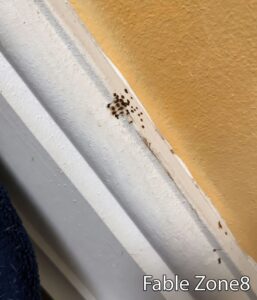
Spotting tiny black dots scattered across your kitchen surfaces can feel unsettling, especially when they seem to appear without explanation. At first glance, they may look like harmless crumbs, spilled seasoning, or even leftover coffee grounds. But when those specks return after cleaning—or begin forming noticeable patterns along baseboards, cabinet edges, or countertops—they may be signaling something worth paying attention to.
In many cases, these dots are what pest control professionals refer to as Frass—a term used to describe insect waste. While that might sound alarming, it’s important to approach the situation with clarity rather than panic. The presence of frass does not automatically mean your home is infested, but it can indicate that insects have been active in the area.
Understanding what you’re seeing is the first step toward handling it effectively.
What Are These Black Specks?
In the context of household pests, Frass refers to the small particles left behind as insects feed, move, and live within an environment. These droppings vary depending on the species, which is why they can sometimes be mistaken for other substances.
Common characteristics include:
- Tiny, dark granules or specks
- Irregular shapes or pellet-like forms
- Found in clusters, trails, or concentrated spots
- Often located near food sources or hidden areas
Because of their appearance, they are frequently confused with dirt, pepper, or debris. This can delay recognition, especially if the amount is small or appears only occasionally.
Why Kitchens Are a Common Location
Kitchens naturally provide the three essentials most insects seek:
- Food: crumbs, spills, and stored goods
- Water: sinks, pipes, and humidity
- Shelter: cracks, cabinets, and appliances
Even a well-maintained kitchen can unintentionally offer enough resources for insects to explore. A few unnoticed crumbs behind an appliance or a slightly damp area under the sink can be enough to attract certain pests.
This doesn’t mean your home is unclean—it simply reflects how easily small environmental factors can support insect activity.
Common Insects Behind Black Dots
Different pests produce different types of Frass. Identifying the source can help determine whether the issue is minor or something that needs closer attention.
Cockroach
Their droppings often resemble black pepper or coffee grounds. These are typically found near baseboards, inside cabinets, or behind appliances.
Pantry beetle
These insects infest dry foods such as flour, cereal, or spices. Their droppings are small and pellet-like, often mixed with food debris.
Ant
While ants don’t always leave obvious droppings, some species can create small debris piles that resemble dark specks.
Other small insects
Various larvae or occasional invaders may leave minimal traces without forming a full infestation.
It’s important to remember that seeing one insect—or a few specks—does not automatically confirm a larger problem. Context and repetition matter more than isolated sightings.
When Should You Be Concerned?
Rather than reacting to a single discovery, experts recommend watching for patterns. You may want to investigate further if:
- The specks return after cleaning
- Their quantity increases over time
- They appear in the same location repeatedly
- You begin seeing live insects more often
- Food packaging shows signs of damage
These signs suggest ongoing activity rather than a one-time occurrence.
Are These Droppings Harmful?
In most situations, small amounts of Frass are more of a cleanliness concern than an immediate health risk. However, they are still not something to ignore.
Potential concerns include:
- Surface contamination: Droppings can come into contact with food preparation areas
- Allergic reactions: Some individuals may be sensitive to insect particles
- Bacterial transfer: Certain insects, especially Cockroach species, can carry microbes from unsanitary environments
Serious health risks are generally associated with larger, prolonged infestations rather than small, isolated signs. The key is early detection and response.
What You Should Do First
If you notice small black dots in your kitchen, a calm and systematic approach works best.
1. Clean Thoroughly
Wipe all affected surfaces using a household cleaner or a mixture of water and vinegar. Pay attention to edges, corners, and hidden areas.
2. Inspect Surroundings
Check nearby cabinets, drawers, and pantry items. Look for additional signs such as damaged packaging or insect movement.
3. Secure Food Storage
Transfer dry goods into airtight containers. This reduces access for pests like Pantry beetle.
4. Reduce Moisture
Fix leaks, dry damp areas, and improve ventilation. Many insects are drawn to moisture.
5. Observe Changes
After cleaning, monitor whether the specks return. This helps determine if the activity is ongoing.
When to Take Additional Steps
If the issue continues or worsens, you may need to go further:
- Place sticky traps to monitor insect activity
- Use targeted treatments in cracks and crevices
- Consider professional pest control inspection
Professional help is especially useful if:
- You see insects regularly
- The problem spreads to multiple areas
- Pantry items are repeatedly affected
Preventing Future Issues
Prevention is often simpler than dealing with an active problem. A few consistent habits can significantly reduce the chances of pest activity:
- Clean kitchen surfaces daily
- Store food in sealed containers
- Take out trash regularly
- Sweep or vacuum floors frequently
- Inspect groceries before storing them
- Check hidden areas during routine cleaning
These small actions help create an environment that is less inviting to pests.
Why Small Signs Matter
Tiny black dots may seem insignificant, but they can act as early warning signals. Catching pest activity at this stage makes it much easier to manage.
Ignoring them, on the other hand, can allow a minor issue to grow into something more difficult to control.
The goal isn’t to overreact—it’s to stay aware.
Separating Fact From Fear
Online discussions about pests often use dramatic language to grab attention. While this can raise awareness, it can also create unnecessary anxiety.
It’s important to keep perspective:
- Not every insect sighting means infestation
- Not every black speck is a serious problem
- Most situations can be handled with simple steps
By focusing on evidence rather than assumptions, you can respond effectively without unnecessary stress.
A Realistic Perspective on Home Environments
Homes are not completely sealed environments. Occasional insect activity is normal, even in clean and well-maintained spaces.
The objective is not perfection—it’s control.
Maintaining cleanliness, reducing attractants, and responding early are the most effective ways to keep your space comfortable and safe.