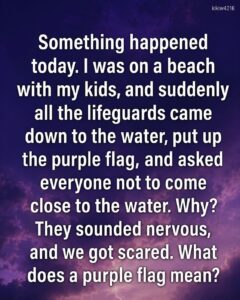
A trip to the beach is often associated with relaxation, recreation, and the simple pleasure of spending time near the ocean. Families build sandcastles, swimmers cool off in the waves, and visitors enjoy the sights and sounds of the coastline. Yet beneath the peaceful atmosphere lies a constantly changing natural environment that requires awareness and respect. Weather conditions, water currents, wave activity, and marine life can all influence beach safety.
To help communicate these conditions, beaches around the world rely on flag warning systems. These flags serve as visual signals that provide important information to visitors before they enter the water. While many people recognize common warning flags such as green, yellow, and red, another flag often generates confusion and curiosity: the purple beach flag.
Unlike other flags that focus primarily on surf conditions or weather-related hazards, the purple flag has a unique purpose. It serves as a warning that potentially dangerous marine life has been observed in the area. While the sight of a purple flag may surprise beachgoers, understanding its meaning can help individuals make informed decisions and enjoy a safer experience along the coast.
For many visitors, beach safety begins and ends with checking the weather forecast. If the sky is clear and the waves appear calm, they assume conditions are safe. However, the ocean is a complex ecosystem filled with wildlife that often remains hidden beneath the surface. The purple flag reminds visitors that safety involves more than wave height and current strength. It also includes awareness of the creatures that inhabit coastal waters.
When a purple flag is raised, lifeguards or beach authorities have typically identified marine animals that could pose a risk if disturbed or encountered accidentally. The presence of these animals does not necessarily mean the beach is unsafe or that visitors must leave the water immediately. Instead, it serves as a cautionary signal encouraging greater awareness and more careful behavior.
One of the most common reasons for a purple flag is the presence of jellyfish. These fascinating marine creatures drift through ocean currents and can sometimes gather in significant numbers near shorelines. Although many jellyfish species are relatively harmless, others can deliver painful stings that cause discomfort, skin irritation, and, in some cases, more serious reactions.
Jellyfish encounters often occur unintentionally. Swimmers may not notice them until contact has already occurred. By raising a purple flag, lifeguards provide advance notice that jellyfish activity has been observed, allowing visitors to take precautions before entering the water.
Another marine animal frequently associated with purple flag warnings is the stingray. Stingrays are generally not aggressive and prefer to avoid human interaction. However, they often rest in shallow sandy areas where beachgoers walk and wade. When startled or accidentally stepped on, a stingray may defend itself using its tail, resulting in a painful injury.
Because stingrays rely on camouflage and remain partially buried in sand, they can be difficult to see. This is one reason beach safety experts often recommend the “stingray shuffle,” a technique involving gently sliding feet along the ocean floor rather than taking normal steps. The movement alerts stingrays to a person’s presence, giving them time to swim away.
Purple flags may also be raised due to sightings of other marine organisms capable of causing injury or discomfort. Depending on the location, this can include certain fish species, sea lice, Portuguese man o’ war colonies, or other marine wildlife that may pose temporary risks to swimmers.
Importantly, a purple flag does not automatically indicate an emergency.
Many beach visitors mistakenly assume that any warning flag means the water is closed. This is not usually the case. Unlike double red flags, which often indicate that entering the water is prohibited, a purple flag typically serves as an advisory rather than a closure notice.
Beachgoers can often continue swimming, surfing, or wading while exercising additional caution. Lifeguards remain available to provide guidance regarding current conditions and can answer questions about the specific marine life observed in the area.
The effectiveness of beach flag systems depends heavily on public understanding. Unfortunately, many visitors are unfamiliar with the meaning of different flag colors. Surveys conducted in various coastal communities have shown that a significant number of beachgoers either misunderstand warning flags or fail to notice them entirely.
This lack of awareness can create unnecessary risks.
Educational efforts by beach authorities, tourism organizations, and safety advocates aim to improve public understanding of beach warning systems. The more visitors understand these signals, the better equipped they are to make safe decisions.
In addition to recognizing the purple flag, beachgoers can benefit from understanding the broader flag system commonly used at many beaches.
A green flag generally indicates calm conditions and a relatively low hazard level. While no ocean environment is entirely risk-free, green flags suggest favorable conditions for swimming and recreation.
A yellow flag signals moderate hazards. Visitors should exercise caution and remain alert to changing conditions.
A red flag warns of high hazards, such as strong surf or dangerous currents, requiring increased vigilance.
Double red flags often indicate that the water is closed to the public due to extremely hazardous conditions.
Some beaches may also use additional flags to communicate specific risks or local conditions.
Learning these signals can significantly improve safety and help visitors respond appropriately to changing environmental conditions.
The purple flag highlights an important principle of beach safety: coexistence with nature.
The ocean is home to countless species that play vital roles in marine ecosystems. Most marine animals are not interested in interacting with humans and will avoid contact whenever possible. Problems generally arise when animals feel threatened, startled, or accidentally disturbed.
Understanding this dynamic encourages respectful behavior that benefits both people and wildlife.
For example, avoiding attempts to touch, capture, or harass marine animals reduces the likelihood of negative encounters. Observing wildlife from a safe distance allows visitors to appreciate the natural environment without creating unnecessary risks.
Parents can play a particularly important role in promoting awareness among children. Young beachgoers are often curious about marine life and may be tempted to investigate unfamiliar creatures found along the shoreline. Teaching children to recognize warning flags and respect wildlife helps foster both safety and environmental stewardship.
Protective clothing can also reduce risks associated with marine life encounters. Rash guards, water shoes, and other swimwear provide an additional layer of protection against stings, scrapes, and minor injuries. While protective clothing cannot eliminate all risks, it can contribute to a safer and more comfortable experience.
Beach visitors should also pay attention to information provided by lifeguards. Lifeguards are trained professionals who continuously monitor conditions throughout the day. Their observations often include not only water hazards but also wildlife activity, weather changes, and other factors that may affect visitor safety.
Asking questions is always encouraged.
If a purple flag is flying and visitors are uncertain about its significance, speaking with a lifeguard can provide valuable context. They may be able to identify which species have been observed, explain where activity has been concentrated, and recommend the safest areas for swimming.
The importance of marine-life awareness becomes even more apparent when considering the growing popularity of coastal tourism. Millions of people visit beaches each year, many of whom have limited experience with ocean environments. Tourists often come from inland regions where interactions with marine ecosystems are rare.
For these visitors, warning flags serve as an essential educational tool.
They provide simple, visible guidance that can be understood regardless of language barriers or previous experience. A quick glance at the flagpole can communicate information that might otherwise require extensive explanation.
Climate and environmental changes may also influence marine-life patterns in certain regions. Changes in water temperature, currents, and seasonal conditions can affect where various species are found and how frequently they appear near beaches. As a result, marine-life warnings may become increasingly important components of beach management strategies.
Technology has enhanced these efforts in many locations.
Some beaches now provide digital updates through websites, mobile applications, and social media channels. Visitors can often check current conditions before arriving, including information about surf hazards, weather forecasts, and marine-life observations.
Despite these technological advances, the simple beach flag remains one of the most effective communication tools available. Its visibility, simplicity, and immediate accessibility make it invaluable for informing large numbers of people quickly.
The purple flag exemplifies how a straightforward visual signal can contribute to public safety without creating unnecessary alarm. Its purpose is not to discourage enjoyment of the beach but rather to encourage informed decision-making.
This distinction is important.
Many people hear the word “warning” and immediately assume danger. In reality, effective safety systems are designed to empower individuals with information rather than create fear. The purple flag is best understood as a reminder to remain aware, attentive, and respectful of the natural environment.
For frequent beachgoers, understanding marine-life warnings becomes part of a broader approach to ocean safety. Experienced visitors often develop habits such as checking flag conditions before entering the water, observing local wildlife activity, and staying informed about changing environmental conditions.
These habits contribute to safer experiences while allowing people to continue enjoying everything the coast has to offer.
Ultimately, the purple beach flag represents preparation rather than panic.
It acknowledges that the ocean is a living environment shared by humans and wildlife alike. By providing information about marine-life activity, it helps visitors make informed choices, reduce risks, and enjoy their time at the beach with greater confidence.
The next time you arrive at the shore and notice a purple flag fluttering in the breeze, you’ll understand its significance. Rather than signaling fear or immediate danger, it serves as a practical reminder to remain alert, follow guidance from lifeguards, and respect the creatures that call the ocean home.
A day at the beach should be enjoyable, memorable, and safe. Understanding what the purple flag means is one small but important step toward achieving all three. Through awareness, preparation, and responsible behavior, beachgoers can continue to appreciate the beauty of coastal environments while minimizing unnecessary risks and protecting both themselves and the marine life around them.