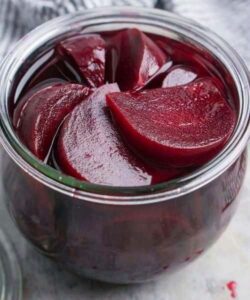
Beets are one of those vegetables that can look surprisingly simple while containing a variety of useful nutrients and plant compounds.
Their deep red or purple color comes from natural pigments, and their earthy flavor makes them easy to recognize.
But what actually happens inside your body when you eat them?
Research has examined beets and beetroot products for their potential effects on blood pressure, exercise performance, digestion, and overall nutrition.
The results are interesting, although some popular claims about beets go much further than the evidence supports.
Eating beets isn’t a miracle treatment.
But including them as part of a balanced diet can provide valuable nutrients and naturally occurring compounds.
The Nitrates in Beets
One of the most studied components of beetroot is dietary nitrate.
When you eat nitrate-rich foods, your body can convert nitrate through several steps into nitric oxide and related compounds.
Nitric oxide plays an important role in blood-vessel function.
It can contribute to vasodilation, meaning blood vessels relax and widen.
This process can influence blood flow and blood pressure.
That is one reason researchers have been interested in beetroot juice and beet consumption.
Studies have found that dietary nitrate from beetroot can produce modest reductions in blood pressure in some people, although individual responses vary.
What This Means for Exercise
The connection between beets and physical performance has also attracted considerable attention.
Nitric oxide-related effects may improve the efficiency of oxygen use during certain types of exercise.
Research has found that beetroot juice can benefit some aspects of endurance and exercise performance, particularly in certain athletic settings.
However, claims that beets automatically improve performance by enormous percentages should be treated cautiously.
Results vary depending on the individual, the type of exercise, fitness level, dose, timing, and the specific beetroot product used.
Beets can be part of an effective nutrition strategy, but they aren’t a substitute for training, adequate sleep, hydration, or an overall balanced diet.
Blood Pressure and Heart Health
Because of their nitrate content, beets have been studied for cardiovascular effects.
Some research suggests that consuming nitrate-rich beetroot products may lower blood pressure in certain adults.
The effect isn’t necessarily dramatic, and eating beets should not be considered a replacement for prescribed blood-pressure treatment.
If you have hypertension, medications and medical advice remain important.
Still, adding vegetables such as beets to a healthy eating pattern can be one practical way to increase overall nutrient intake.
A Source of Fiber
Whole beets also provide dietary fiber.
Fiber supports normal digestive function and can contribute to regular bowel movements.
It can also slow digestion and the absorption of carbohydrates, which may help support steadier blood glucose levels when beets are eaten as part of a balanced meal.
Fiber also interacts with the microorganisms living in the digestive tract.
Certain types of dietary fiber can be fermented by gut bacteria, producing compounds that contribute to intestinal health.
This doesn’t mean that beets alone will transform the gut microbiome.
Rather, they are one of many plant foods that can contribute to a diverse, fiber-rich diet.
Antioxidant Compounds and Color
The intense color of many beets comes from pigments called betalains.
These compounds have antioxidant and other biological activities that researchers continue to study.
Antioxidants help protect cells from oxidative damage associated with normal metabolism and various environmental factors.
However, it’s important not to turn this into a claim that beets “detox” the body.
Your liver, kidneys, lungs, and other organs already perform the body’s natural processes for handling and removing waste products.
Eating vegetables supports normal nutrition, but beets don’t need to be described as a special cleansing treatment to be valuable.
Folate and Other Nutrients
Beets provide several vitamins and minerals.
They contain folate, which is important for DNA synthesis and cell division.
They also provide potassium, a mineral involved in fluid balance, nerve signaling, and muscle function.
Manganese is another nutrient found in beets and contributes to several normal metabolic processes.
The exact nutritional value depends on the portion and preparation method.
Whole beets generally provide more fiber than strained beet juice because the solid plant material remains intact.
What About Beet Juice?
Beetroot juice is often used in research because it can provide a concentrated amount of nitrate.
It can also be convenient for athletes and people who don’t enjoy eating whole beets.
But juice has an important difference from whole vegetables.
Removing much of the solid plant material reduces or eliminates some of the fiber.
That doesn’t make beet juice “bad.”
It simply means that juice and whole beets are nutritionally different.
For everyday eating, whole or minimally processed vegetables can be a useful choice because they provide fiber along with their other nutrients.
Your Urine or Stool May Turn Red
One of the strangest effects of eating beets is also one of the most harmless.
Some people notice pink, red, or reddish-purple urine after eating beetroot.
This is known as beeturia.
Red or pink stool can also occur.
It can look alarming the first time it happens, particularly if you don’t remember eating beets.
But beet pigments can pass through the digestive system and temporarily change the color of urine or stool.
Not everyone experiences this effect.
If you notice unexplained blood in your urine or stool and haven’t recently eaten beets, however, it should not automatically be assumed to be beet-related. Medical advice may be appropriate.
What About Kidney Stones?
Beets contain oxalates, naturally occurring compounds found in many foods.
For most people, this isn’t a reason to avoid beets.
However, people who have been advised by a healthcare professional to limit dietary oxalate because of a history of certain kidney stones may need to consider their overall intake.
Dietary advice for kidney stones depends on the type of stone and individual circumstances.
Rather than eliminating foods unnecessarily, people with recurrent stones can discuss their diet with a qualified healthcare professional.
Beets and Blood Sugar
Beets contain naturally occurring carbohydrates, but they also provide fiber.
Eating whole beets as part of a meal is different from consuming a concentrated sugary beverage.
For people managing diabetes or blood glucose levels, portion size and the overall meal matter.
There is no need to treat beets as either a “perfect” food or a food that must be avoided.
They can fit into many balanced eating patterns.
How to Add More Beets to Your Diet
One of the easiest things about beets is their versatility.
They can be roasted until tender.
They can be steamed or boiled.
They can be grated into salads.
They can be blended into certain smoothies.
Cooked beets can also be combined with ingredients such as citrus, herbs, yogurt, nuts, or cheese.
Their natural sweetness makes them useful in both savory and sweet preparations.
Pickled beets are another popular option, although the nutritional profile depends on the recipe and added ingredients.
Fresh, Cooked, or Juiced?
There isn’t one universally “best” way to eat beets.
Different preparations have different advantages.
Whole beets provide fiber and can be very filling.
Juice provides a concentrated form of beet compounds but contains little of the original fiber.
Cooking can change some nutrients while making the vegetable easier to eat and digest.
The best option is often the one that helps you consistently include vegetables in your diet.
The Bigger Picture
It’s easy to focus on one “superfood” and expect it to produce dramatic changes.
But good nutrition doesn’t work that way.
Your health is influenced by your overall dietary pattern, physical activity, sleep, genetics, medical conditions, medications, and many other factors.
Beets can contribute useful nutrients and plant compounds.
They don’t replace a varied diet.
They don’t replace prescribed medication.
And they don’t guarantee better health simply because they’re eaten regularly.
A Small Vegetable With Plenty to Offer
Beets may not be a miracle food, but they are certainly a nutritious addition to many diets.
Their dietary nitrate content has been studied for potential effects on blood-vessel function and exercise performance.
Their fiber supports digestive health.
Their pigments provide interesting plant compounds.
And their vitamins and minerals contribute to normal bodily functions.
Perhaps the most useful way to think about beets is not as a cure-all, but as one colorful vegetable among many.
Add them to salads.
Roast them with other vegetables.
Blend them into appropriate recipes.
Or enjoy them simply because you like their flavor.
The real benefit comes from variety and consistency.
No single food can provide everything your body needs.
But when colorful vegetables like beets become part of a balanced eating pattern, they can contribute to the nutrients and plant compounds your body needs every day.
And sometimes, that’s more than enough reason to put them on your plate.