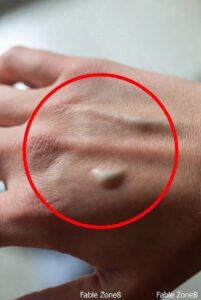
Visible veins—often called vascularity—are one of the most noticeable physical traits associated with fitness, leanness, and athletic conditioning. They can appear prominently on the arms, hands, legs, or shoulders, especially in individuals with low body fat or high muscle definition. In fitness culture, visible veins are often seen as a sign of discipline and physical performance. However, the reality is far more complex. Vascularity is not a simple indicator of health or fitness—it is the result of multiple overlapping factors including body composition, genetics, circulation, hydration, temperature, and sometimes medical conditions.
Understanding what visible veins actually mean requires moving beyond appearance and examining how the human circulatory system interacts with the skin, muscles, and fat layers.
The Role of Body Fat in Vein Visibility
One of the most important factors influencing vascularity is Body Fat, specifically the layer known as subcutaneous fat. This is the soft fat located just beneath the skin that naturally acts as insulation and cushioning.
When body fat levels are higher, veins are less visible because they are covered by this layer. As body fat decreases—especially through diet, exercise, or natural metabolism—the barrier becomes thinner, allowing veins to appear closer to the surface.
This is why individuals with lower body fat percentages often display more visible veins, particularly in the arms and abdomen. However, this does not mean low body fat automatically guarantees vascularity. Skin thickness, hydration levels, and genetics also play major roles.
Muscle Development and Blood Flow
Another key factor is Muscle Hypertrophy. As muscles grow through resistance training, they expand outward and push veins closer to the skin’s surface. This physical pressure alone can increase vein visibility.
During exercise, blood flow increases significantly to working muscles. This temporary expansion of blood vessels—known as vasodilation—creates what is commonly called a “pump” in fitness settings. Muscles swell slightly, veins become more pronounced, and vascularity becomes more visible.
However, this effect is often temporary. Once blood flow returns to resting levels, vein visibility may decrease again unless underlying muscle mass and low body fat are maintained.
Genetics: The Hidden Determinant
Genetics play a surprisingly large role in determining vascularity. Some individuals naturally have veins that sit closer to the surface of the skin. Others have thinner skin or less connective tissue, making veins more visible even without extreme fitness levels.
Skin tone and texture also matter. Thinner or lighter skin often reveals veins more easily, while thicker or more opaque skin may conceal them even in very lean individuals.
This explains why two people with similar body fat and muscle levels can look completely different in terms of vascularity.
Hydration and Temporary Changes in Appearance
Hydration status can dramatically affect how visible veins appear. When the body is dehydrated, blood volume decreases slightly, and the skin may appear tighter and thinner. This can make veins stand out more prominently.
However, this is not a healthy or sustainable method of increasing vascularity. Dehydration can negatively affect circulation, performance, cognitive function, and overall health.
On the other hand, proper hydration supports healthy blood flow and vascular function, even if it sometimes reduces the dramatic appearance of veins.
Temperature also plays a role—heat causes vessels to expand, increasing visibility, while cold causes them to constrict.
Hormones, Age, and Natural Variation
Hormones influence vascularity in subtle but important ways. Higher testosterone levels are often associated with increased muscle mass and lower body fat, which can enhance vein visibility. This is one reason vascularity is often more pronounced in men than women, though individuals of all genders can display visible veins depending on physiology and conditioning.
Age is another factor. As people grow older, skin loses collagen and elasticity, becoming thinner and slightly more transparent. This natural aging process can make veins appear more visible, even without significant changes in fitness.
When Visible Veins May Signal Health Issues
While visible veins are often harmless, they are not always purely aesthetic. In some cases, they may indicate underlying medical concerns.
A common condition is Varicose Veins. This occurs when veins become enlarged, twisted, or weakened due to faulty valves that impair proper blood flow. Unlike fitness-related vascularity, varicose veins are often associated with discomfort, swelling, aching, or heaviness in the legs.
Other circulation-related issues may also affect vein appearance. Sudden changes in vein visibility—especially when accompanied by pain, redness, or asymmetry—can signal potential vascular problems that should be evaluated by a medical professional.
The key distinction is that healthy vascularity is usually symmetrical, painless, and activity-related, while problematic vein changes often involve discomfort or visible abnormalities.
Fitness Culture and Misinterpretation of Vascularity
In modern fitness culture, visible veins are often idealized as the ultimate sign of being “in shape.” Social media frequently highlights highly vascular physiques, reinforcing the belief that more veins equal better fitness.
However, many of these appearances are influenced by temporary conditions such as:
- Post-workout muscle pumps
- Strategic lighting and photography
- Low hydration levels before photoshoots
- Extreme short-term dieting techniques
This can create unrealistic expectations and lead people to pursue vascularity as a primary fitness goal, even when it does not necessarily reflect long-term health.
True fitness involves strength, endurance, mobility, recovery, and overall well-being—not just surface appearance.
Healthy Ways to Support Vascularity
For those interested in improving vascularity in a healthy and sustainable way, the most effective methods include:
- Regular resistance training to support Muscle Hypertrophy
- Maintaining balanced nutrition and adequate protein intake
- Reducing excess Body Fat gradually
- Staying properly hydrated
- Incorporating cardiovascular exercise to support circulation
These habits improve overall health while naturally enhancing vein visibility over time.
Extreme methods such as dehydration or crash dieting should be avoided, as they can harm cardiovascular and metabolic function.
The Bigger Picture: Appearance vs. Health
Visible veins can be a satisfying sign of physical progress, but they should not be mistaken for a complete measure of health. A person may have prominent vascularity and still struggle with poor nutrition, stress, or underlying health issues. Conversely, someone with minimal visible veins may be extremely healthy and physically fit.
Health is multidimensional. It includes how the body performs, recovers, and sustains itself—not just how it looks at rest or under specific conditions.
Final Thought
Visible veins are best understood as a result of biology, lifestyle, and temporary physiological states working together. They reflect changes in body fat, muscle development, circulation, and genetics—but they do not define health on their own.