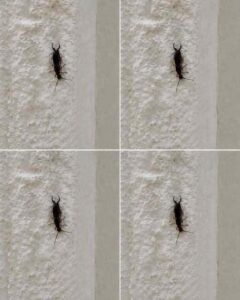
Finding an unfamiliar insect inside your home can be surprising, especially if you have never seen it before. While it is natural to feel concerned, spotting a single bug does not automatically mean your home has an infestation. Many insects accidentally wander indoors while searching for food, water, warmth, or shelter, and some simply enter through an open door or window. Understanding why insects appear inside can help you respond calmly instead of reacting out of fear.
The first and most important step is to identify the insect before taking action. Different species behave in different ways, and knowing exactly what you are dealing with makes it easier to decide whether it is a harmless visitor or a pest that requires attention. A clear photograph and careful observation can often provide the answers you need, helping you avoid unnecessary treatments and choose the most effective solution if one is needed.
Why Do Insects Enter Your Home?
Insects enter homes for several common reasons. Changes in weather, seasonal temperatures, and the availability of food can all influence their behavior. During colder months, some insects seek warmer places to shelter, while others may move indoors during periods of heavy rain or extreme heat.
Food is another major attraction. Crumbs, uncovered food, overflowing rubbish bins, and pet food left overnight can attract ants, flies, cockroaches, and other unwanted visitors. Moisture also plays an important role. Leaking pipes, damp basements, bathrooms, and areas beneath sinks can create favorable conditions for insects that depend on water to survive.
Even a clean home can occasionally attract bugs. Small gaps around windows, damaged door seals, ventilation openings, and cracks in walls can provide easy entry points. Therefore, finding an insect does not necessarily indicate poor housekeeping.
What Could the Insect Be?
Different insects can provide different clues about conditions inside your home. Identifying the species is essential because appearance alone can sometimes be misleading.
Ants often appear in kitchens and other areas where food is available. A few ants may simply be exploring, but a consistent trail can indicate that they have discovered a reliable food source or established a route into the building.
Cockroaches generally prefer warm, sheltered environments with access to food and moisture. Seeing one does not always confirm a large infestation, but repeated sightings, droppings, or egg cases may suggest that further investigation is necessary.
Silverfish are small, fast-moving insects that often appear in bathrooms, cupboards, and damp areas. They feed on materials containing starches and certain carbohydrates, including paper and book bindings. Their presence may be associated with moisture, although finding one does not automatically mean there is a serious damp problem.
Spiders are frequently mistaken for pests, but many species are beneficial because they feed on flies, mosquitoes, and other insects. Most household spiders avoid people and are not dangerous. Nevertheless, any unfamiliar spider should be identified before handling it.
Ladybugs and some other beetles may enter homes when temperatures change. These insects are often harmless and may simply be seeking shelter. Their presence near windows or sunny walls can help explain how they entered.
Does Finding One Insect Mean You Have an Infestation?
Not necessarily. A single insect may have entered accidentally, particularly if doors or windows were open. However, repeated sightings deserve closer attention.
Look for patterns rather than focusing on one isolated encounter. Are insects appearing in the same room every day? Do you notice them mainly at night? Are there droppings, shed skins, damaged food packaging, or small holes in wood and fabric?
These signs can help determine whether the insect is an occasional visitor or part of a larger problem. Some pests remain hidden for long periods, so the absence of visible insects does not always guarantee that none are present.
If you repeatedly notice insects or discover signs of damage, consider contacting a qualified pest control professional. Accurate identification can prevent unnecessary pesticide use and help determine the most appropriate treatment.
What Should You Do When You Find an Insect?
The safest response depends on the insect, but a few general steps can help.
First, avoid touching it with your bare hands until you know what it is. Some insects can bite, sting, or cause skin irritation when handled. If possible, take a clear photograph from a safe distance. Include a close-up of the body, legs, wings, and distinctive markings.
Next, observe where you found it. Insects discovered near drains, food cupboards, windows, or damp walls may provide useful clues about what attracted them.
Clean the surrounding area and remove accessible food sources. Store pantry items in sealed containers, empty rubbish bins regularly, and repair leaking taps or pipes. Check window screens, door seals, and visible gaps where insects could enter.
Avoid spraying chemicals simply because you are uncertain about the insect’s identity. Some pesticides can create unnecessary risks for children, pets, and people with respiratory sensitivities. If treatment is needed, always follow the product label or seek professional advice.
How Can You Prevent Insects From Returning?
Prevention is often more effective than reacting to every insect you encounter. Keep kitchen surfaces clean, wipe up spills promptly, and avoid leaving dirty dishes overnight. Store food securely and clean beneath appliances where crumbs can accumulate.
Reduce excess moisture by repairing leaks, improving ventilation, and addressing persistent dampness. In rooms where condensation develops regularly, better airflow may help make the environment less attractive to moisture-loving insects.
Inspect screens and seals around windows and doors. Small openings can allow insects to enter without being noticed. Sealing gaps around pipes and repairing damaged screens can reduce opportunities for entry.
Outdoor maintenance also matters. Keep rubbish containers closed, remove standing water where mosquitoes may breed, and avoid allowing vegetation to grow directly against exterior walls. Firewood and stored materials should be kept away from the house when practical.
When Should You Be Concerned?
Some insects require prompt attention because they can damage property, contaminate food, or pose health concerns. Bedbugs, termites, and certain medically significant spiders are examples of pests that may require specialized identification or professional assistance.
If you suspect bedbugs, look for repeated bites alongside other evidence, such as dark spots on mattress seams or shed skins. Bites alone cannot reliably confirm their presence.
If you discover damaged wooden structures, hollow-sounding timber, or mud tubes, a termite inspection may be appropriate. If an insect bites or stings someone and causes difficulty breathing, severe swelling, or other serious symptoms, seek emergency medical assistance.
The key is to respond to evidence rather than assumptions.
Final Thoughts
Finding an unfamiliar insect in your home can be unsettling, but it does not automatically signal danger or an infestation. The insect’s identity, the location where it appears, and whether sightings continue are all important clues.
Take a photograph, observe its behavior, maintain a clean and dry environment, and seal possible entry points. If you repeatedly encounter insects or notice signs of damage, seek reliable identification and professional guidance.
Most importantly, remember that not every bug is harmful. Some are harmless visitors, while others help control populations of unwanted insects. Understanding what you have found is the first step toward protecting your home without unnecessary worry or treatment.