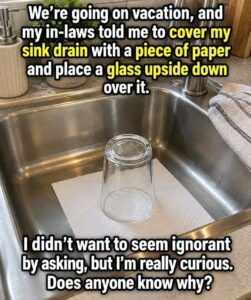
Before leaving for vacation, most people focus on packing their bags, arranging transportation, and making sure their doors and windows are secure. But there is another small household detail that sometimes gets overlooked: the kitchen and bathroom sinks.
You may have heard that covering your sink before leaving home can prevent unpleasant odors, stop insects from entering, or keep your plumbing fresh while you are away. The advice sounds simple, but is it actually necessary?
The truth is that covering your sink before vacation is optional, not an essential household rule. A clean sink and properly functioning plumbing are generally much more important than placing a cover over the basin or drain.
Still, taking a few minutes to prepare your sinks before a trip can help prevent certain problems. Understanding how household drains work can help you decide which precautions make sense for your home.
1. Why Do Some People Recommend Covering the Sink Before Vacation?
The main reason is to keep unwanted smells, insects, and debris away while the house is empty.
Kitchen sinks regularly come into contact with food scraps, grease, oils, and other materials. Bathroom sinks collect soap residue, toothpaste, hair, and everyday debris. Over time, some of these materials can accumulate inside the drain and contribute to unpleasant odors.
When a home remains closed for several days, a lingering smell may become more noticeable when you return. This can lead people to believe that covering the sink is the solution.
A drain stopper may help keep some insects and debris out of the opening. Covering the basin can also prevent dust from settling inside.
However, a cover does not remove the underlying cause of a smell. If food particles, grease, or other residue have accumulated inside the drain, covering the opening will not clean them away.
The more effective approach is to clean the sink and address any existing plumbing problems before leaving.
2. How Your Sink’s P-Trap Helps Keep Sewer Smells Away
One important part of household plumbing is the P-trap, the curved section of pipe usually found beneath a sink.
Its shape allows a small amount of water to remain inside the pipe after the sink drains. This water forms a seal that helps prevent sewer gases from entering your home through the drain.
Under normal conditions, this water seal should remain effective during an ordinary vacation lasting several days or a week.
That means most people do not need to cover every sink simply because they will be away for a short period.
There are exceptions, however. A rarely used drain, a leaking trap, or a plumbing ventilation problem may allow odors to develop. In some circumstances, the water in a trap can also evaporate during a prolonged period without use.
If you notice a persistent sewer-like smell before leaving, investigate the cause rather than assuming a cover will solve the problem.
3. Can Covering the Drain Keep Insects Out?
In some circumstances, a properly fitted drain stopper may help reduce the chance of insects entering through the drain opening. A cover over the basin can also keep debris from falling inside.
However, neither measure provides complete protection against household pests.
Insects may enter through gaps around windows, doors, pipes, or other openings. Some pests can also breed in the organic residue that accumulates inside drains, depending on the species and the conditions present.
For that reason, cleaning the drain and addressing any existing pest problem are more useful long-term measures than relying on a sink cover alone.
If you have noticed small flies around a kitchen or bathroom sink, inspect the drain for buildup. Drain flies, for example, can develop in the moist organic film lining drains.
Simply covering the opening may temporarily reduce access to the drain, but it will not eliminate insects already breeding inside it.
4. Should You Worry About Water Evaporating From the Sink?
Some people worry that leaving a sink uncovered will allow water to evaporate or cause the drain to dry out.
In reality, covering the basin is not usually necessary to preserve the water inside the P-trap. The water seal is located inside the plumbing beneath the sink, rather than in the visible basin.
A clean sink can therefore be left uncovered without normally creating a problem during a short absence.
If you are planning a much longer trip, checking rarely used drains may be worthwhile. Running water briefly into a seldom-used sink before leaving can help replenish its water seal.
If you return to a persistent sewer smell, running water into the drain may help if the trap has dried out. If the odor continues, a plumber can investigate potential leaks, venting problems, or other plumbing faults.
5. What Should You Do Before Leaving for Vacation?
Rather than worrying about whether every sink needs a cover, focus on a few practical preparations.
- Clean the kitchen sink. Remove food scraps, wipe away grease, and clean the drain opening to reduce residue that could cause odors.
- Clean bathroom drains. Remove visible hair and soap buildup where accessible.
- Empty the rubbish bin. Food waste can produce odors and attract pests while you are away.
- Check for leaks. Look beneath sinks for dripping connections, damp cabinets, or signs of water damage.
- Run water in seldom-used drains. This helps maintain the water seal in the trap.
- Use drain stoppers if helpful. A stopper can keep debris out and may discourage some insects, although it is not a substitute for pest control.
These small steps can make your return home more pleasant without requiring unnecessary precautions.
6. Should You Leave the Sink Wet or Dry?
Either approach can be reasonable, provided the sink is clean.
After washing dishes or cleaning the bathroom, wipe away standing water from the visible basin if you prefer. This helps prevent water spots and keeps the area looking tidy.
However, do not confuse the visible water in the basin with the water inside the P-trap. Drying the sink’s surface does not normally remove the water seal inside the plumbing.
Likewise, covering a dry basin does not guarantee that the drain beneath it will retain water.
The goal is to leave the sink clean and the plumbing functioning properly, rather than trying to seal the entire system with a makeshift cover.
Avoid pouring strong chemicals into drains solely because you are going away. Certain products can damage plumbing, create hazardous fumes, or pose risks if mixed with other cleaners. Follow product instructions and use appropriate drain-cleaning methods.
7. When Should You Call a Plumber?
Most homes do not need special sink preparation for an ordinary vacation. Nevertheless, persistent odors, repeated drain problems, and signs of leakage deserve attention.
Contact a qualified plumber if you notice a strong sewer-like smell that continues after running water, recurring gurgling sounds, repeated loss of water from a trap, or unexplained moisture beneath the sink.
These symptoms may indicate a problem that a cover cannot resolve.
If you suspect a significant sewer-gas leak, ventilate the area when safe and seek professional assistance promptly. Do not ignore persistent odors simply because they disappear temporarily after covering the drain.
Final Thoughts
Covering your kitchen or bathroom sink before vacation is usually optional. For most short trips, a functioning P-trap provides the protection needed to prevent sewer gases from entering through the drain.
A fitted stopper or basin cover may help keep out some debris and insects, but it cannot replace proper cleaning or resolve an underlying plumbing problem.
Before leaving, clean the sinks, remove food waste, check for leaks, and run water into drains that are rarely used. These simple measures are generally more useful than covering every sink in the house.
Ultimately, the best way to protect your home while traveling is to focus on cleanliness, maintenance, and any problems that already exist. With a little preparation, you can leave with greater peace of mind and return to a home that is fresh, comfortable, and ready for everyday use.