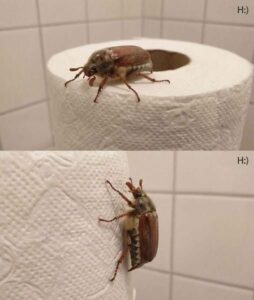
It takes only one unfamiliar insect crawling across a wall, ceiling, or kitchen counter to interrupt an otherwise peaceful evening. Many people immediately wonder whether the bug is dangerous, whether more are hiding nearby, or whether they should spray it before it disappears. Although acting quickly may seem like the safest response, identifying the insect before taking action is often the better approach.
Insects enter homes for different reasons. Some are searching for food, others are attracted to light, and many simply wander indoors through open windows, doors, or small gaps. Understanding what you are looking at can help you determine whether the insect is harmless, a nuisance, or a potential pest problem that requires attention.
Why Identifying an Unknown Bug Matters
Not every insect found inside a house presents a threat. Ants, flies, beetles, moths, spiders, and other small creatures may occasionally appear indoors without indicating a serious infestation. However, certain insects can damage property, contaminate food, or cause painful bites and allergic reactions.
Correct identification helps you choose an appropriate response instead of relying on guesswork. For example, seeing a single flying insect near a window may simply mean it entered from outside. Finding several similar insects repeatedly around stored food, damp areas, or wooden furniture may indicate a problem that deserves further investigation.
The important thing is to consider the evidence rather than assuming every unfamiliar insect is dangerous.
How to Identify a Bug You Find Indoors
When you encounter an unknown insect, take a moment to observe it carefully. Several physical characteristics can help narrow down its identity.
Size and body shape: Notice whether the insect is tiny and slender, round and beetle-like, elongated, or flat. Some insects have distinctive body segments, while others have a noticeably narrow waist or a broad, oval shape.
Color and markings: Look for colors such as brown, black, red, yellow, or green. Stripes, spots, unusual patterns, and contrasting markings can provide useful clues. However, color alone is rarely enough to identify an insect accurately.
Wings and movement: Determine whether the insect has wings, flies short distances, jumps, crawls slowly, or moves rapidly. Wing shape and movement can help distinguish between different groups of insects.
Antennae and legs: Long antennae, unusually large hind legs, or numerous visible legs may help narrow the possibilities. If you suspect the creature is a spider rather than an insect, remember that spiders have eight legs, while adult insects typically have six.
Location: Where you discovered the bug can be just as important as its appearance. An insect near a pantry may warrant checking stored food, while one near a bathroom drain may be associated with moisture. Bugs appearing around windows may simply be attracted to outdoor light.
Combining these observations provides a much more reliable starting point than relying on a single characteristic.
Common Bugs You Might Find in Your Home
Several types of insects and similar small creatures commonly appear indoors.
Ants: Ants are often found following trails toward crumbs, sugary substances, or other food sources. A few ants may have entered accidentally, but repeated trails can suggest that a colony has established a route into the home.
Houseflies: These flying insects are attracted to food waste, organic material, and certain odors. Keeping bins covered, cleaning food spills, and installing window screens can help reduce their presence.
Moths: Some moths enter through open doors or windows and gather around indoor lights. If small moths repeatedly appear near stored grains, flour, or other dry foods, inspect the packaging for signs of pantry pests.
Beetles: Many beetles are harmless outdoor insects that occasionally wander indoors. Others can damage stored products, fabrics, or wooden materials, depending on the species. Their size, body shape, and location can help determine whether further inspection is necessary.
Cockroaches: Cockroaches often hide in dark, warm areas and may become more noticeable at night. Repeated sightings, droppings, egg cases, or insects of different sizes can indicate an infestation that needs attention.
Spiders: Although spiders are not insects, people frequently include them when asking about unidentified household bugs. Many spider species are harmless to people and help control other insects. Avoid handling an unidentified spider, especially if you are concerned about potentially medically significant species in your region.
These examples illustrate why identification matters: different creatures require different responses.
What Should You Do When You See an Unknown Bug?
The safest first step is to remain calm and avoid touching the insect with your bare hands. If it is not behaving aggressively and does not appear to pose an immediate threat, observe it from a comfortable distance.
Take a clear photograph if possible. Photographing the insect from above and from the side can reveal details that are difficult to notice while it is moving. Use natural or indoor lighting that makes its markings visible, and include an object of known size nearby for scale if you can do so safely.
Next, record where you found it, the approximate time, and whether you have seen similar insects recently. This information may help distinguish an occasional visitor from a recurring pest issue.
If the insect appears harmless, you may be able to guide it outside using a container and a piece of stiff paper. Avoid this approach if you suspect it could sting, bite, or otherwise pose a risk. In that situation, keep your distance and seek appropriate assistance.
Do not automatically spray the insect with chemicals. Unnecessary insecticide use can expose people and pets to chemicals without addressing the underlying cause of the problem. If treatment becomes necessary, follow the product label carefully or consult a qualified pest-control professional.
Signs That You May Have a Pest Problem
One isolated insect does not necessarily mean your home is infested. However, certain warning signs deserve attention.
Watch for repeated sightings of the same type of insect, particularly in the same room or location. Other clues include droppings, shed skins, damaged packaging, holes in fabrics or wood, unusual odors, and insects emerging from cracks or concealed spaces.
If you notice these signs, inspect the surrounding area carefully. Store food in sealed containers, clean crumbs and spills, reduce excess moisture, and seal obvious gaps around windows and doors where appropriate.
For persistent problems, professional identification can prevent wasted time and ineffective treatments. A pest-control expert can determine whether the insect requires treatment and recommend a suitable approach.
How to Prevent Unwanted Bugs From Entering
Prevention is often easier than dealing with a recurring insect problem. Keep food sealed, empty rubbish bins regularly, repair damaged window screens, and close gaps around doors and windows when practical.
Address leaking pipes and persistent dampness, particularly in kitchens, bathrooms, basements, and other poorly ventilated spaces. Remove unnecessary clutter where insects could hide, and inspect packages of dry food if you notice small beetles or moths nearby.
Outdoor lighting can also attract certain flying insects. Where practical, reduce unnecessary lighting near open windows and entrances or use suitable lighting options that are less attractive to insects.
These measures will not prevent every insect from entering, but they can reduce the conditions that encourage many common household pests.
Final Thoughts
Finding an unfamiliar bug in your home can be unsettling, but panic rarely helps. The most useful response is to observe the insect carefully, photograph it when possible, and consider its appearance, behavior, and location before deciding what to do.
Many household insects are harmless visitors, while others may indicate a problem that deserves attention. Accurate identification allows you to respond more confidently, avoid unnecessary chemical treatments, and recognize when professional help may be appropriate.
The next time you spot a strange insect crawling across the wall, take a breath before reaching for the spray. A closer look may tell you far more than you expect.