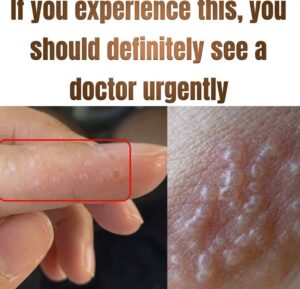
If you’ve ever noticed small, painful, or intensely itchy bumps appearing on your hands or feet, it can be both confusing and uncomfortable. These symptoms are often linked to a condition known as Dyshidrotic eczema, a form of eczema that tends to show up in very specific areas of the body—most commonly the fingers, palms, and soles.
Unlike simple skin irritation, this condition can be persistent and cyclical, meaning it may flare up, calm down, and then return again. While it isn’t contagious or dangerous in most cases, it can significantly affect daily life, especially when the itching, burning, or blistering becomes intense.
Dyshidrotic eczema typically begins with a tingling or itching sensation under the skin. Shortly after, small, fluid-filled blisters emerge. These blisters are often deep-seated, making them feel more uncomfortable than they might appear. In many cases, they cluster together and can cause redness, swelling, and even cracking of the surrounding skin.
As the condition progresses, the blisters may dry out, leading to peeling and dryness. This cycle—blistering, drying, peeling, and healing—can repeat over time, especially if underlying triggers are not addressed. For some people, the discomfort is mild. For others, it can interfere with basic tasks like walking, typing, or even holding objects.
Although the exact cause of dyshidrotic eczema isn’t fully understood, it is closely linked to how the immune system reacts to certain internal and external factors. People who have a history of allergies, asthma, or other forms of eczema are more likely to develop it. Genetics can play a role, but environmental triggers are often what set off flare-ups.
One of the most common triggers is stress. Emotional or physical stress can influence the immune system, making the skin more reactive. Many people notice that flare-ups occur during particularly demanding or anxious periods in their lives.
Another major factor is exposure to irritants. Everyday substances like soaps, detergents, shampoos, or cleaning products can aggravate the skin, especially if they are harsh or used frequently without protection. Even prolonged contact with water—such as frequent handwashing—can strip the skin’s natural barrier and make it more vulnerable.
Metals such as nickel and cobalt are also known triggers for some individuals. These can be found in everyday items like jewelry, coins, or even certain tools. For people who are sensitive, repeated contact can lead to outbreaks on the hands.
Weather changes play a surprisingly large role as well. Seasonal transitions—particularly in spring and summer—can increase the likelihood of flare-ups. Warmer temperatures often lead to more sweating, which can irritate the skin and contribute to blister formation. At the same time, allergens like pollen may heighten the body’s immune response, further increasing sensitivity.
Sweating itself is a key trigger for many people with dyshidrotic eczema. Moisture trapped against the skin, especially in enclosed areas like shoes or gloves, creates an environment where irritation can easily develop. This is why flare-ups are often more common on the feet or in people who wear non-breathable footwear.
Diagnosing dyshidrotic eczema usually involves a clinical evaluation by a dermatologist. The appearance and location of the blisters are often distinctive enough for identification. However, because it can resemble other skin conditions—such as fungal infections or contact dermatitis—additional tests may sometimes be needed.
These tests might include skin scrapings, patch testing for allergies, or other evaluations to rule out infections or identify specific triggers. Getting an accurate diagnosis is important because treatment approaches can differ depending on the underlying cause.
When it comes to treatment, the focus is on managing symptoms and preventing flare-ups rather than achieving a permanent cure. One of the most commonly used treatments is topical corticosteroids. These help reduce inflammation, itching, and redness, especially during active outbreaks.
Moisturizing is another essential part of care. Keeping the skin hydrated helps restore the protective barrier and reduces dryness and cracking. Thick, fragrance-free creams or ointments are usually more effective than lighter lotions.
For itching, antihistamines may be recommended, particularly if symptoms are interfering with sleep or daily activities. Cold compresses can also provide immediate relief by soothing the skin and reducing inflammation.
In more severe or persistent cases, additional treatments may be necessary. These can include phototherapy, which uses controlled exposure to ultraviolet light to reduce inflammation, or prescription medications that help regulate the immune response.
While treatment is important, prevention plays an equally critical role in managing dyshidrotic eczema. Identifying and avoiding personal triggers can significantly reduce the frequency and severity of flare-ups.
For example, if certain soaps or cleaning products seem to worsen symptoms, switching to gentler, fragrance-free alternatives can make a noticeable difference. Wearing protective gloves when handling chemicals or doing household chores can also help protect the skin.
However, it’s important to use gloves correctly. Prolonged use—especially of non-breathable materials—can trap sweat and moisture, which may worsen symptoms. Using cotton liners or taking breaks can help reduce this effect.
Keeping the skin clean and dry is another key strategy. After washing your hands or feet, drying them thoroughly—especially between fingers and toes—can prevent moisture buildup. Choosing breathable footwear and moisture-wicking socks can also help reduce irritation on the feet.
Managing stress is often overlooked but can be highly beneficial. Techniques such as regular exercise, adequate sleep, or relaxation practices can support overall immune balance and reduce the likelihood of flare-ups.
Dietary factors are less clearly defined but may play a role for some individuals. If a metal sensitivity is suspected, for instance, reducing exposure to foods high in nickel might be considered under medical guidance.
Living with dyshidrotic eczema can be frustrating, particularly because of its recurring nature. However, many people are able to keep it under control with consistent care and awareness. Over time, learning your personal triggers and how your skin responds can make a significant difference.
It’s also important to know when to seek medical advice. If symptoms are severe, persistent, or not responding to over-the-counter treatments, consulting a healthcare professional can help ensure you receive appropriate care. Early intervention can prevent complications such as infection or severe skin damage.
Ultimately, dyshidrotic eczema is a manageable condition, even if it requires ongoing attention. With the right combination of treatment, prevention, and lifestyle adjustments, most people can reduce flare-ups and maintain a comfortable, active daily life.
What may start as a few small bumps can feel overwhelming at first, but understanding what’s happening beneath the surface puts you back in control. By recognizing the signs early and responding with the right care, you can protect your skin and minimize the impact this condition has on your everyday routine.