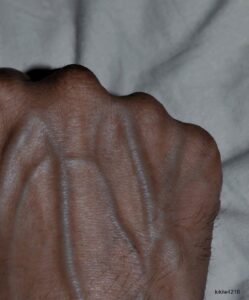
Visible veins are one of the most misunderstood yet widely discussed physical traits in fitness culture and general health awareness. For some people, prominent veins are a symbol of peak conditioning, discipline, and low body fat. For others, they appear unexpectedly and raise questions about circulation, hydration, or even underlying medical issues. In reality, vascular visibility is not controlled by a single factor. It is the result of a complex interaction between body composition, genetics, skin structure, blood flow, environmental conditions, hormones, and lifestyle habits.
Understanding what visible veins truly indicate requires looking beyond aesthetics and into the physiology of the human circulatory system. Veins are blood vessels responsible for returning deoxygenated blood back to the heart. Normally, they are hidden beneath layers of skin and subcutaneous fat. When they become visible, it simply means those layers have become thinner, the vessels have dilated, or blood flow has increased closer to the skin’s surface.
Body Fat Percentage and Physical Composition
The most common reason for visible veins is low body fat. Subcutaneous fat acts as a natural insulation layer that partially obscures veins. When this layer decreases, veins become more noticeable. This is especially common in individuals with body fat percentages typically below 12–15% in men and 18–22% in women, although genetics can shift these ranges significantly.
Athletes and bodybuilders often experience extreme vascularity during periods of cutting or competition preparation. In these phases, fat loss is combined with muscle preservation or growth, resulting in a “defined” appearance where veins may appear across the arms, shoulders, chest, abdomen, and legs. This phenomenon is sometimes referred to as “vascular mapping” in fitness communities.
However, it is important to understand that low body fat alone does not guarantee visible veins. Some people remain relatively smooth even at low body fat levels due to thicker skin or deeper vein placement, while others display prominent vascularity even at moderate body fat levels due to genetics.
Muscle Mass and Training Effects
Muscle development plays an equally important role in vascular appearance. As muscle size increases, it physically pushes veins closer to the surface of the skin. This mechanical displacement enhances visibility, especially during or after resistance training when muscles are engorged with blood—a state commonly referred to as the “muscle pump.”
Strength training also improves vascular efficiency over time. Regular lifting increases capillary density, meaning more small blood vessels form within muscle tissue. This adaptation supports better oxygen delivery and nutrient exchange, which can make veins more prominent even at rest.
Endurance training contributes differently. Activities like running, cycling, or swimming improve cardiovascular efficiency and vascular elasticity. This can enhance circulation and make veins more responsive to changes in temperature, activity, or stress.
Genetics and Structural Differences
Genetics plays a major role in determining whether someone naturally has visible veins. Some individuals are born with superficial vein placement, thinner skin, or lower collagen density, all of which contribute to increased vascular visibility regardless of fitness level.
Skin tone and thickness also matter. Thinner skin allows light to pass through more easily, making veins appear darker and more prominent. In contrast, thicker skin or higher melanin content can make veins less visible even in very lean individuals.
Vein size and pattern distribution are also genetically influenced. Some people naturally have larger or more branched superficial veins, which makes vascularity more noticeable in the arms, hands, and legs.
Age-Related Changes
As the body ages, skin gradually loses collagen and elasticity. This thinning effect reduces the barrier between veins and the skin surface, making them more visible. Additionally, age-related loss of subcutaneous fat contributes further to vascular prominence.
This is why older adults may notice more visible veins on their hands, arms, and legs even without significant changes in weight or fitness. While this is often a normal part of aging, sudden or extreme changes should still be evaluated if accompanied by discomfort or swelling.
Hydration and Blood Volume
Hydration status has a significant short-term effect on vascular visibility. When the body is dehydrated, blood plasma volume decreases. This causes veins to appear more pronounced because there is less fluid volume beneath the skin.
Conversely, proper hydration can make veins appear less visible by increasing tissue fullness and stabilizing circulation. Electrolyte balance also plays a role, particularly sodium and potassium levels, which regulate fluid distribution in the body.
It is important to note that dehydration is not a healthy method for achieving vascular appearance, despite being sometimes misused in aesthetic or athletic contexts. Chronic dehydration can impair performance, kidney function, and cardiovascular health.
Temperature and Environmental Influence
Temperature changes can dramatically alter how visible veins are. In cold environments, blood vessels constrict (vasoconstriction) to conserve heat, often reducing vein visibility. In warm environments, vessels dilate (vasodilation) to release heat, making veins more prominent.
Exercise also triggers vasodilation, which is why veins often appear more visible during or immediately after workouts. Saunas, hot showers, or intense physical activity can temporarily exaggerate vascularity due to increased blood flow near the skin’s surface.
Hormonal and Physiological Factors
Hormones influence vascular tone and circulation. For example, testosterone is associated with increased muscle mass and reduced fat storage, both of which indirectly enhance vascular visibility. This is one reason men often display more prominent veins in certain areas of the body compared to women.
Women may experience fluctuations in vascularity during menstrual cycles, pregnancy, or hormonal contraceptive use due to changes in blood volume, fluid retention, and vascular relaxation.
Stress hormones like adrenaline can also temporarily increase vein visibility by raising heart rate and redirecting blood flow to muscles.
Nutritional and Supplement Effects
Certain nutrients and supplements can temporarily enhance vascular appearance. Nitric oxide boosters such as L-citrulline or L-arginine promote vasodilation, increasing blood flow and making veins more visible during exercise.
Caffeine can also stimulate circulation and increase vascular responsiveness. Carbohydrate intake plays a role as well; glycogen storage in muscles draws water into cells, sometimes increasing “pump” appearance during workouts.
However, these effects are temporary and should not be confused with long-term structural changes in vascular health or body composition.
Medical Considerations and Warning Signs
While visible veins are often harmless, there are situations where they may indicate underlying health issues.
Varicose veins, for example, occur when vein valves weaken, causing blood to pool and veins to enlarge or twist. This condition is more common in the legs and may be accompanied by pain, heaviness, or swelling.
Deep vein thrombosis is a more serious condition involving blood clots, often presenting with sudden swelling, warmth, and discomfort. Visible surface veins may sometimes appear more pronounced due to altered circulation.
Other conditions such as chronic venous insufficiency, peripheral artery disease, or thyroid disorders can also affect vascular appearance.
A key warning sign is sudden, unexplained changes in vein visibility accompanied by symptoms like pain, discoloration, or asymmetry between limbs. In such cases, medical evaluation is essential.
Psychological and Cultural Perspectives
In modern fitness culture, visible veins are often associated with discipline, strength, and aesthetic success. Social media and bodybuilding communities frequently highlight vascularity as a visual indicator of low body fat and high training dedication.
This perception can influence self-image. Some individuals may pursue extreme dieting or overtraining to achieve visible veins, sometimes at the expense of overall health. Others may feel discouraged if they do not naturally display vascularity despite being fit and strong.
It is important to recognize that vascularity is highly individual and not a definitive measure of fitness or health. Performance, endurance, strength, mobility, and metabolic health are far more important indicators of physical well-being.
Training, Lifestyle, and Sustainable Approaches
Healthy vascularity is best achieved through balanced lifestyle practices. Resistance training builds muscle that supports vascular prominence, while cardio improves circulation and heart health. A moderate, sustainable calorie deficit can reduce excess fat without compromising metabolic function.
Adequate hydration, nutrient-dense eating, and proper recovery are essential for maintaining both performance and appearance. Sleep quality also plays a role in hormonal regulation and vascular health.
Extreme methods such as dehydration, crash dieting, or stimulant abuse may temporarily enhance vascular appearance but can negatively affect long-term health.
Conclusion
Visible veins are not a simple indicator of fitness or health. They represent a combination of body fat levels, muscle development, genetics, circulation, hydration, temperature, and physiological conditions. While they are often associated with athleticism and aesthetic appeal, they should not be viewed as the ultimate measure of physical condition.
In many cases, visible veins are simply a normal variation of human anatomy influenced by lifestyle and inherited traits. In others, they may provide useful information about circulation or hydration status. Rarely, they may signal underlying medical concerns that require attention.
The most accurate interpretation of vascularity is a balanced one. Rather than chasing visible veins as a goal in itself, it is more beneficial to focus on overall health—strength, endurance, mobility, nutrition, and long-term well-being. When those foundations are in place, visible veins often become a natural byproduct rather than an objective.