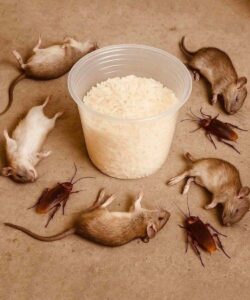
Discovering rats or cockroaches inside your home can quickly turn a comfortable living space into a source of stress. These unwanted visitors can contaminate food, damage belongings, spread germs, and multiply surprisingly quickly. While many homeowners immediately reach for chemical sprays and commercial pesticides, others prefer affordable household solutions that minimize unnecessary exposure to harmful substances.
One familiar ingredient that frequently appears in traditional pest-control discussions is rice. Inexpensive, widely available, and easy to store, rice has inspired numerous homemade pest-control remedies. However, not every popular recipe is effective or safe. Understanding what rice can and cannot do is essential before trying any home treatment.
Why Are Rats and Cockroaches Attracted to Your Kitchen?
Both rats and cockroaches are attracted to environments offering easy access to food, water, and shelter.
Rice, flour, bread, cereal, sugar, and leftover meals can provide attractive food sources. Even tiny crumbs beneath kitchen appliances may encourage pests to return regularly.
Cockroaches generally prefer dark, warm, humid spaces. They commonly hide beneath sinks, behind refrigerators, inside cupboards, and around plumbing.
Rats and mice are also excellent at finding hidden food supplies. They can enter buildings through surprisingly small openings and establish nests in walls, ceilings, storage areas, and other sheltered locations.
Understanding these habits is the first step toward controlling an infestation.
Does Rice Really Kill Rats and Cockroaches?
Rice itself is not a scientifically established method for eliminating either rats or cockroaches.
Although these pests may eat rice, simply placing uncooked or cooked grains around your home will not reliably eliminate an infestation.
Several traditional recipes combine rice with other ingredients, including baking soda, plaster, or boric acid. However, claims that these mixtures reliably kill rodents or eliminate entire cockroach colonies are not supported by strong evidence.
Some combinations can also create unnecessary risks for children, pets, and other household animals.
For example, mixing rice with plaster or baking soda as homemade rodent poison is not recommended. These preparations can cause suffering, may not work predictably, and can expose non-target animals to dangerous substances.
The better approach is to use rice as a reminder to improve food storage while choosing proven pest-control methods.
A Safer Way to Use Rice in Pest Prevention
Instead of turning rice into homemade poison, use it as part of a food-storage strategy.
Here is a simple approach:
- Inspect your pantry for opened rice bags, cereal packages, flour containers, and other food sources.
- Transfer dry foods into sturdy, tightly sealed containers.
- Clean shelves and remove spilled grains or crumbs.
- Check cupboards regularly for signs of insects or rodent activity.
- Dispose of damaged or contaminated food safely.
These simple habits reduce the food available to unwanted visitors and make your kitchen less attractive to pests.
How to Control Cockroaches Without Dangerous Homemade Mixtures
<text weight=”medium” color=”default”>1. Remove food sources</text>
Clean countertops, sweep floors, wash dishes, and avoid leaving uncovered food overnight. Pay particular attention to areas behind appliances.
<text weight=”medium” color=”default”>2. Eliminate moisture</text>
Repair leaking taps, dry wet surfaces, and check beneath kitchen sinks. Cockroaches need water to survive, so reducing moisture can make your home less welcoming.
<text weight=”medium” color=”default”>3. Seal hiding places</text>
Use appropriate sealant to close gaps around pipes, cabinets, and wall openings. Reducing hiding places makes it harder for cockroaches to establish themselves.
<text weight=”medium” color=”default”>4. Use enclosed commercial bait stations</text>
Products specifically designed for cockroach control can be effective when used according to their labels. Keep them away from children and pets, and never transfer pesticide products into food containers.
<text weight=”medium” color=”default”>5. Monitor activity</text>
Sticky monitoring traps can help identify where cockroaches are traveling. This information makes it easier to determine whether additional treatment is necessary.
How to Keep Rats Away From Your Home
Rodent prevention requires a slightly different strategy because rats can chew through many materials and travel through hidden spaces.
Consider these practical steps:
- Store rice, flour, pet food, and other dry goods in secure containers.
- Keep rubbish bins covered and empty them regularly.
- Remove fallen fruit and food scraps from outdoor areas.
- Trim vegetation growing close to exterior walls.
- Seal openings around pipes, doors, foundations, and ventilation areas using rodent-resistant materials.
- Avoid leaving pet food outside overnight.
If you notice droppings, gnaw marks, damaged packaging, or scratching sounds inside walls, investigate promptly.
For an active infestation, use appropriately selected commercial traps or contact a qualified pest-control professional. Keep traps inaccessible to children and pets.
Why Homemade Poison Recipes Can Be Dangerous
Many online articles describe natural mixtures as completely harmless simply because their ingredients are familiar household products.
This assumption can be misleading.
Boric acid, for example, can be used in certain registered insect-control products, but it is still a pesticide and requires careful handling. Accidental ingestion or inappropriate exposure can be harmful.
Similarly, baking soda and plaster mixtures should not be considered safe or reliable alternatives to professionally designed rodent-control products.
Natural ingredients are not automatically harmless. A product’s safety depends on its properties, concentration, preparation, and exposure.
Families with young children, elderly residents, and pets should be particularly careful when choosing pest-control treatments.
When Should You Call a Professional?
A few occasional cockroach sightings may be manageable with improved sanitation, monitoring, and appropriate bait products.
However, repeated sightings, daytime cockroach activity, numerous droppings, nesting evidence, or recurring rodent noises may indicate a larger problem.
Professional pest-control specialists can identify entry points, assess infestation severity, and recommend treatments suited to the particular pest.
This can prevent wasted money on ineffective homemade remedies and reduce unnecessary exposure to pesticides.
Simple Habits That Protect Your Home Every Day
Long-term pest prevention is usually more successful when several small habits become part of everyday household routines.
Keep kitchen surfaces clean, store food properly, repair plumbing problems, and inspect storage spaces regularly.
Avoid accumulating unnecessary cardboard boxes, paper bags, and clutter, particularly in damp or rarely used areas.
Make sure doors close properly and window screens remain intact.
These measures may seem ordinary, but together they create an environment that is considerably less attractive to rodents and insects.
The Final Word: Rice Is Useful, but Prevention Is Better
Rice is an inexpensive household staple, but it is not a proven poison for rats or cockroaches. Homemade mixtures involving plaster, baking soda, or pesticides can introduce risks without providing dependable results.
The most effective approach combines cleanliness, secure food storage, moisture control, sealing entry points, monitoring, and properly selected pest-control products.
Sometimes the simplest solutions really are the best. A tightly sealed rice container, a clean kitchen, and a repaired plumbing leak can do far more to prevent unwanted visitors than an untested homemade recipe.
A comfortable, pest-free home begins with understanding the problem and choosing methods that protect both your household and the people and animals living inside it.