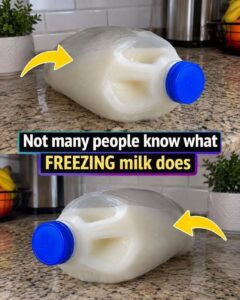
Milk is one of those everyday groceries that many households purchase without thinking twice. Whether it is used for morning coffee, breakfast cereal, baking, cooking, or preparing smoothies, it is a staple in countless kitchens. However, buying milk in larger quantities can sometimes create an unexpected problem: what happens when you cannot finish it before its expiration date?
Instead of watching perfectly good milk go to waste, there is a surprisingly simple solution. You can freeze milk and save it for later without significantly affecting its usefulness.
Freezing milk is an easy way to extend its storage life, reduce grocery expenses, and make better use of the food you already have. However, there are a few important details to understand before placing a carton or jug in your freezer. Proper preparation, suitable containers, and safe thawing techniques can make a considerable difference in the final result.
Why Freezing Milk Makes Financial Sense
Grocery prices can add up quickly, especially for families that regularly purchase milk. Buying larger containers or taking advantage of supermarket discounts may seem economical, but those savings disappear when unused milk ends up being thrown away.
Freezing provides an opportunity to preserve extra milk before it spoils.
For example, imagine purchasing two large containers during a weekly grocery trip. If you know that your household will only use one before the expiration date, you can freeze the second container and save it for another week.
This approach is particularly useful for:
- Families that purchase milk in bulk
- People who use milk occasionally
- Households preparing for holidays or special occasions
- Anyone trying to reduce food waste
- People who prefer fewer supermarket trips
Freezing does not make spoiled milk safe again, so always begin with fresh milk that has been stored properly.
Prepare the Container Before Freezing
One of the most important things to remember is that milk expands when it freezes.
Unlike some foods, milk contains a considerable amount of water. As that water freezes, it expands and places pressure on the container holding it.
If you put a completely full jug into the freezer, the expanding contents may cause the packaging to split, leak, or become damaged.
Fortunately, preventing this problem is simple.
If you are freezing milk in its original plastic container, remove approximately one cup before placing it in the freezer, provided the container has enough room to accommodate expansion.
Another option is transferring the milk into a freezer-safe container.
Choose containers designed specifically for freezing food, and leave sufficient empty space at the top. Avoid filling them completely.
Glass containers require particular attention. Ordinary glass bottles and jars can crack when their contents freeze. Only use glass containers specifically designed for freezer storage, following the manufacturer’s instructions.
Freeze Milk in Smaller Portions
Freezing an entire gallon or large jug may seem convenient, but it is not always the most practical approach.
Once milk has been thawed, repeatedly freezing and thawing it is not recommended. Therefore, dividing it into smaller portions can make everyday use considerably easier.
Ice cube trays offer one convenient solution.
Simply pour fresh milk into clean ice cube trays, leaving a little space for expansion. Place the trays in the freezer until the milk becomes completely solid.
Once frozen, transfer the cubes into a labeled freezer-safe bag or container.
Remember to remove as much excess air as practical and write the freezing date on the packaging.
This method is especially useful when you need small amounts of milk for:
- Coffee and tea
- Smoothies
- Pancake and waffle mixtures
- Sauces and soups
- Baking recipes
- Mashed potatoes
You can also freeze milk in half-cup or one-cup portions using suitable containers. This makes measuring ingredients much easier when preparing meals.
How Long Can Milk Stay in the Freezer?
Milk can remain frozen for longer periods, but its quality gradually changes.
For the best flavor and texture, aim to use frozen milk within approximately three months.
Although properly maintained frozen milk may remain safe beyond that period, quality can decline over time.
Before freezing, write the date on each container. This small habit makes it easier to identify older portions and use them first.
Keep your freezer at 0°F (-18°C) or below to maintain a consistent frozen environment.
Avoid placing milk near the freezer door if frequent opening causes temperature fluctuations.
The Right Way to Thaw Frozen Milk
Thawing is just as important as freezing.
The safest method is to transfer frozen milk from the freezer into the refrigerator.
Allow it to thaw slowly rather than leaving it on the kitchen counter.
Depending on the container size, thawing may take several hours or overnight. Larger containers may require more time.
Never use hot water or leave milk sitting at room temperature for extended periods to speed up the process.
Once thawed, gently shake or stir the milk.
You may notice that the texture looks slightly different. This happens because freezing can separate some of the milk’s components, particularly fat and water.
A good shake usually helps redistribute the separated ingredients.
For best quality, use thawed milk within a few days, keeping it refrigerated at 40°F (4°C) or below. Follow food-safety guidance and discard milk if it develops an unusual smell, appearance, or other signs of spoilage.
Do not taste questionable milk to determine whether it is safe.
Does Freezing Change the Taste or Texture?
This is one of the most common concerns people have about freezing milk.
The good news is that freezing generally preserves milk’s nutritional value reasonably well.
However, it can affect its appearance and consistency.
After thawing, some milk may appear slightly grainy, watery, or separated. This is particularly noticeable with milk containing more fat.
The change does not automatically mean the milk has spoiled.
Stirring or shaking the container can help restore a more uniform consistency.
Nevertheless, frozen and thawed milk may not taste exactly like fresh milk.
For this reason, some people prefer using thawed milk in recipes rather than drinking it directly.
It works particularly well in:
- Pancakes and muffins
- Cakes and homemade bread
- Creamy soups
- Casseroles
- Sauces
- Smoothies
If you are especially sensitive to changes in texture, freezing smaller portions first allows you to see whether the results meet your expectations.
Can Every Type of Milk Be Frozen?
Most ordinary cow’s milk can be frozen, including whole, reduced-fat, low-fat, and skim milk.
However, the results may differ depending on the fat content and processing method.
Plant-based alternatives, such as almond, soy, and oat milk, can also sometimes be frozen, but their texture may change considerably.
Some varieties separate after thawing and become less appealing for drinking.
Always check the manufacturer’s storage recommendations, especially for specialty products.
Milk sold in shelf-stable packaging should also be handled according to its specific instructions. Once opened, it generally requires refrigeration.
Common Mistakes to Avoid
A few simple mistakes can reduce the quality of frozen milk.
1. Freezing milk that is already spoiled.
Freezing does not reverse spoilage or eliminate all harmful microorganisms.
2. Filling containers completely.
Always leave enough room for expansion.
3. Thawing milk on the counter.
Use the refrigerator to thaw milk safely.
4. Refreezing thawed milk.
Avoid repeatedly freezing and thawing milk. Divide it into smaller portions before freezing to prevent unnecessary waste.
5. Forgetting the freezing date.
Label containers so you can monitor storage time.
6. Ignoring unusual changes.
If thawed milk smells sour, develops an unusual appearance, or shows other signs of spoilage, discard it.
A Simple Habit That Can Save Money Every Month
Freezing milk is not complicated, but it can make a meaningful difference in how a household manages groceries.
Instead of purchasing only what you expect to use immediately, you can take advantage of special offers, preserve extra quantities, and keep convenient portions available for future meals.
The secret is to start with fresh milk, prepare the container correctly, maintain a consistent freezer temperature, and thaw it safely when needed.
In a time when household expenses continue to demand attention, small habits like this can help stretch grocery budgets without sacrificing convenience.