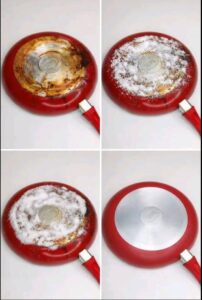
Keeping pots and pans clean is one of those everyday kitchen tasks that seems simple—until stubborn grease, burnt food, or chalky limescale refuses to budge. Over time, these buildups don’t just affect appearance; they also reduce performance, trap odors, and can even impact hygiene.
While many people turn to strong chemical cleaners, there’s a growing shift toward natural, safer, and more cost-effective methods that work just as well—without damaging cookware or exposing your kitchen to harsh fumes.
Understanding what you’re cleaning is the first step toward doing it effectively.
Why Pots and Pans Get So Dirty
Different types of residue form for different reasons:
- Grease buildup comes from oils and fats breaking down under heat
- Burnt residue forms when food carbonizes and sticks to surfaces
- Limescale develops when hard water evaporates, leaving mineral deposits behind
Over time, these layers harden and become more difficult to remove. If ignored, they can trap bacteria, create unpleasant smells, and reduce cooking efficiency.
The Power of Natural Cleaning Methods
Natural cleaning works because it relies on simple chemical reactions rather than harsh synthetic compounds. Mild acids break down minerals, while gentle alkalines dissolve grease and organic matter.
Some of the most effective ingredients are already in your kitchen.
1. Baking Soda and Vinegar: The Classic Deep Clean
A combination of baking soda and vinegar is one of the most widely used natural cleaning methods.
- Baking soda is mildly abrasive and alkaline
- Vinegar is acidic and dissolves mineral buildup
Together, they create a reaction that lifts grime from surfaces.
How to use it:
- Pour vinegar into the pan and gently warm it
- Remove from heat and add 1–2 tablespoons of baking soda
- Let the mixture fizz and sit for a few hours
- Scrub gently with a soft sponge
This method is especially effective for burnt residue and light limescale.
2. Citric Acid: Strong Against Limescale
For tougher mineral deposits, citric acid is highly effective. It’s a naturally occurring acid found in citrus fruits and is stronger than vinegar.
How to use it:
- Dissolve about 150g citric acid in 1 liter of hot water
- Pour into the cookware
- Let it sit for several hours or overnight
The acid gradually dissolves limescale, making it easy to wipe away.
However, avoid using citric acid on sensitive surfaces like marble or stone, as it may cause damage.
3. Lemon: Natural Degreaser with Fresh Scent
Lemon is both effective and pleasant to use. Its natural acidity helps break down grease while leaving a fresh smell behind.
Simple method:
- Slice or juice a lemon into water
- Bring the mixture to a boil in the pan
- Let it cool, then scrub gently
For tougher stains, add coarse salt to act as a mild abrasive.
Even lemon peel can help, thanks to its natural oils that cut through grease.
4. Marseille Soap: Gentle Traditional Cleaning
A traditional option, Marseille soap is mild yet effective for general cleaning.
How to use it:
- Fill the pan with water
- Add a small amount of soap
- Bring to a boil and let it sit
Heat helps the soap loosen grease and residue, making wiping much easier afterward.
Why Natural Cleaning Works So Well
These methods are effective because they use basic, predictable chemical reactions rather than harsh industrial compounds. They:
- Break down grease safely
- Dissolve mineral buildup
- Avoid damaging protective coatings
- Reduce exposure to toxic fumes
This makes them especially useful for modern cookware, including non-stick pans.
Protecting Your Cookware While Cleaning
Harsh scrubbing and strong chemicals can shorten the life of your kitchen tools. Natural methods help preserve:
- Non-stick coatings
- Stainless steel finishes
- Enamel surfaces
Gentle cleaning not only restores shine but also maintains long-term performance.
Prevention Is Just as Important
Cleaning becomes much easier when buildup is prevented in the first place.
Simple habits help:
- Rinse pans soon after cooking
- Avoid leaving food to sit overnight
- Use moderate heat to reduce burning
- Use enough oil to prevent sticking
A few seconds of care after cooking can save hours of scrubbing later.
Different Materials Need Different Care
Not all cookware behaves the same:
- Stainless steel: handles most natural cleaners well
- Cast iron: should never be soaked too long; must be dried immediately
- Non-stick pans: require gentle, non-abrasive cleaning
Adjusting your method helps extend the lifespan of your cookware significantly.
The Value of Patience
Natural cleaning is not about instant results—it’s about allowing time for reactions to work.
Soaking, heating, and resting are all essential steps. In return, you avoid damage and achieve a deeper clean than many chemical alternatives.
A More Sustainable Kitchen Routine
Using natural cleaning methods also supports a more sustainable lifestyle. It reduces:
- Chemical waste in water systems
- Plastic cleaning product consumption
- Household exposure to harsh substances
And because most ingredients are already in your kitchen, it also saves money.