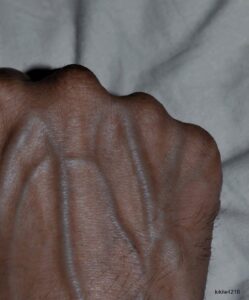
Visible veins are one of the most noticeable physical traits associated with fitness, leanness, and muscular development. For many people, especially those engaged in weight training or athletic performance, the appearance of veins beneath the skin is seen as a visual reward for discipline and hard work. Often referred to as “vascularity,” this phenomenon is widely celebrated in fitness communities as a hallmark of low body fat and well-developed musculature. However, visible veins are far more complex than a simple indicator of being in shape. They reflect a combination of physiological, genetic, environmental, and sometimes medical factors that interact in nuanced ways.
At its core, the visibility of veins depends largely on body fat percentage. Beneath the skin lies a layer of subcutaneous fat that can obscure underlying blood vessels. When this layer is thick, veins are less noticeable. As body fat decreases, especially through consistent exercise and controlled nutrition, this insulating layer becomes thinner, allowing veins to show through more clearly. This is why individuals with lower body fat percentages—typically around 8–12% for men and 15–20% for women—often display more prominent veins, particularly in areas like the arms, shoulders, and legs.
Muscle mass also plays a significant role in vascularity. Resistance training leads to muscle hypertrophy, which increases the size and density of muscles. As muscles grow, they can push veins closer to the surface of the skin, making them more visible. Additionally, regular exercise improves blood circulation and enhances the elasticity of blood vessels, contributing to better vascular function and appearance. During workouts, increased blood flow causes veins to expand temporarily, creating what is commonly known as a “pump,” which further enhances their visibility.
Genetics, however, set the foundation for how visible your veins can become. Some individuals are naturally predisposed to having more superficial veins or thinner skin, which makes vascularity more apparent even at higher body fat levels. Others may find it difficult to achieve noticeable vein visibility despite rigorous training and dieting. Skin tone and thickness also influence this trait; lighter and thinner skin tends to reveal veins more easily than darker or thicker skin.
Hydration is another crucial factor that affects how veins appear. When the body is well-hydrated, blood volume is maintained, and tissues appear fuller, sometimes slightly masking veins. Conversely, dehydration reduces plasma volume, making veins stand out more prominently. While this might enhance vascularity temporarily, it is not a healthy or sustainable method to achieve the desired look. Proper hydration supports overall health, performance, and genuine vascular function.
Environmental conditions can also impact vein visibility. Heat causes blood vessels to dilate, increasing blood flow to the skin’s surface, which makes veins more noticeable. This is why veins often appear more prominent in warm weather or after a sauna session. Cold temperatures, on the other hand, cause vasoconstriction, reducing blood flow to the skin and making veins less visible. These changes are temporary and reflect the body’s natural mechanisms for regulating temperature.
Age is another factor that contributes to visible veins. As people get older, their skin loses collagen and elasticity, becoming thinner and more translucent. This natural aging process allows veins to show through more clearly, even in individuals who are not particularly lean or muscular. While this is generally harmless, it can sometimes be mistaken for a sign of declining health when it is simply a normal part of aging.
Hormonal influences also play a role in vascularity. Testosterone, for example, supports muscle growth and can enhance vascular development, which is why men often exhibit more prominent veins than women. In women, hormonal fluctuations during the menstrual cycle, pregnancy, or the use of contraceptives can affect fluid retention and blood flow, leading to temporary changes in vein visibility.
While visible veins are often associated with fitness and good health, they are not always a definitive indicator of either. In some cases, prominent veins may signal underlying medical conditions. Varicose veins, for instance, are enlarged and twisted veins that result from weakened valves and poor blood circulation. They are commonly found in the legs and can cause discomfort, swelling, and other complications if left untreated. Similarly, conditions like chronic venous insufficiency or deep vein thrombosis can present with noticeable changes in vein appearance, often accompanied by pain, redness, or swelling.
Athletes and bodybuilders sometimes push their bodies to extreme levels of leanness to achieve maximum vascularity, especially during competitions. While this can produce dramatic visual results, it may come at the cost of hormonal imbalance, reduced immune function, and decreased energy levels. Maintaining extremely low body fat over long periods is not sustainable for most individuals and can have negative health consequences.
The cultural significance of visible veins has grown alongside the rise of social media and fitness culture. Images of highly vascular physiques are often shared as symbols of dedication and achievement. For many, this serves as motivation to pursue healthier lifestyles. However, it can also create unrealistic expectations and pressure to conform to certain aesthetic standards. Not everyone will achieve the same level of vascularity, and equating it solely with success can lead to frustration or unhealthy behaviors.
Psychologically, visible veins can provide immediate visual feedback that reinforces training efforts. Seeing physical changes can boost confidence and motivation, encouraging consistency in workouts and nutrition. However, this can also lead to an overemphasis on appearance rather than overall health and performance. It is important to balance aesthetic goals with functional fitness and well-being.
Achieving visible veins in a healthy and sustainable way involves a combination of proper nutrition, consistent exercise, and adequate recovery. A moderate caloric deficit can help reduce body fat while preserving muscle mass. Consuming sufficient protein supports muscle repair and growth, while carbohydrates provide energy for workouts and contribute to muscle fullness. Healthy fats are essential for hormonal balance and overall health.
Strength training should be a central component of any fitness routine aimed at improving vascularity. Compound movements such as squats, deadlifts, bench presses, and pull-ups engage multiple muscle groups and promote overall muscle development. Cardiovascular exercise complements this by improving heart health and circulation, which supports vascular function.
Recovery is equally important. Adequate sleep, stress management, and rest days allow the body to repair and adapt, preventing overtraining and burnout. Hydration should not be neglected, as it plays a vital role in maintaining blood volume and overall physiological balance.
It is also important to monitor changes in vein appearance and be aware of potential warning signs. Sudden increases in vascularity, especially when accompanied by pain, swelling, or discoloration, should not be ignored. Seeking medical advice in such cases ensures that any underlying issues are identified and addressed early.
Lifestyle choices can significantly impact vascular health. Smoking damages blood vessels and impairs circulation, while excessive alcohol consumption can have similar negative effects over time. Maintaining a balanced diet rich in nutrients, staying physically active, and managing stress all contribute to healthier veins and overall well-being.
In some cases, individuals may use supplements to enhance vascularity. Compounds that promote nitric oxide production can temporarily increase blood flow and vein dilation. While these can be effective when used responsibly, they should not replace fundamental habits like proper nutrition and training. Relying solely on supplements without addressing the basics will not produce lasting results.
Ultimately, visible veins are just one aspect of physical appearance and should not be viewed as the ultimate measure of health or fitness. They can indicate a lean and muscular physique, but they do not provide a complete picture of an individual’s well-being. True health encompasses a wide range of factors, including cardiovascular fitness, metabolic function, mental health, and overall lifestyle balance.
Understanding the various factors that influence vascularity allows for a more informed and realistic perspective. Rather than chasing visible veins as an end goal, it is more beneficial to focus on building sustainable habits that support long-term health and performance. When approached in this way, vascularity becomes a natural byproduct of a healthy lifestyle rather than an obsession.
In conclusion, visible veins reflect a combination of low body fat, muscle development, genetics, hydration, and environmental influences. They can serve as a visual indicator of fitness progress but should be interpreted within a broader context of overall health. By prioritizing balanced nutrition, consistent training, proper recovery, and medical awareness, individuals can achieve a physique that not only looks strong but functions optimally. The true value lies not in how prominent veins appear, but in the strength, energy, and resilience that come from maintaining a healthy and sustainable lifestyle.