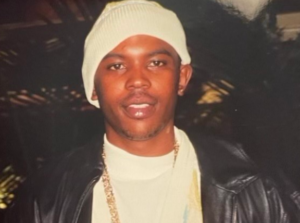
The passing of Oliver Power Grant at the age of 52 has led many within the hip-hop community to reflect on the importance of those who shape movements from behind the scenes. While public attention often focuses on artists and performers, the foundations of lasting cultural impact are frequently built by individuals whose work remains largely unseen. Grant was one of those figures—a strategist, organizer, and visionary whose influence helped guide the early development of the Wu-Tang Clan. His contributions were not expressed through lyrics or stage presence, but through his ability to recognize potential, structure ideas, and support a collective that would go on to redefine hip-hop. In many ways, his legacy represents the power of quiet leadership—work that does not seek attention, yet shapes everything around it.
In the early 1990s, hip-hop was still evolving as both an art form and an industry. The emergence of the Wu-Tang Clan marked a turning point, introducing a model that challenged traditional expectations of how music groups operated. Their collective identity, combined with a distinct creative philosophy, set them apart from their peers. Grant played a key role during this formative period, helping to reinforce the group’s direction beyond the music itself. He understood that what they were building had the potential to extend far beyond albums and performances. This vision aligned with influential members such as Method Man and GZA, whose artistry would become central to the group’s success. Together, they contributed to a framework that blended creativity with independence, laying the groundwork for a new kind of cultural movement.
One of the most groundbreaking aspects of this movement was its emphasis on ownership and entrepreneurial control. At a time when many artists were heavily dependent on traditional record label structures, the Wu-Tang Clan pursued a different path—one that allowed individual members to explore solo opportunities while still maintaining a unified identity. Grant supported this approach, particularly through his involvement in ventures that expanded the group’s reach beyond music. A notable example was the development of Wu Wear, a clothing line that became one of the earliest successful intersections of hip-hop and fashion. This initiative demonstrated that music could serve as a foundation for broader cultural expression, connecting sound, identity, and lifestyle. It also helped establish a blueprint for artist-driven brands, influencing generations of musicians who would later pursue similar paths toward independence and diversification.
As the Wu-Tang Clan grew into a global phenomenon, their influence extended across cultures and continents. Their ability to maintain authenticity while expanding their reach was rooted in the strong foundation built during their early years. Grant’s contributions were instrumental in shaping that foundation, ensuring that the structure supporting the collective was as innovative as the music itself. By handling strategic and organizational elements behind the scenes, he allowed the artists to focus on their creative work. This balance between artistry and business became a defining feature of the Wu-Tang model, setting it apart from many other groups of the time. It demonstrated that success in hip-hop could be both creatively driven and strategically managed, without compromising integrity.
Despite his significant impact, Grant chose to remain largely out of the spotlight. This decision reflected a personality focused more on substance than recognition. He was not motivated by fame, but by a commitment to the work and the people involved in it. Those who collaborated with him often understood the depth of his contributions, recognizing that his perspective and guidance were essential to the collective’s success. His ability to remain grounded while participating in something so culturally influential speaks to a rare kind of discipline—one that values long-term impact over immediate visibility. In an industry often defined by attention and recognition, his approach stands out as both intentional and meaningful.
In the wake of his passing, the full extent of Oliver Power Grant’s legacy becomes even clearer. It is not defined by a single achievement, but by the cumulative influence of his work over time. The continued relevance of the Wu-Tang Clan, along with the enduring impact of their business and creative model, reflects the strength of the foundation he helped build. His story serves as a reminder that some of the most important contributions to culture come from those who operate behind the scenes. As artists, fans, and collaborators reflect on his life, what remains is a powerful example of vision, collaboration, and the ability to think beyond established limits—qualities that continue to inspire and shape the future of hip-hop and creative independence.