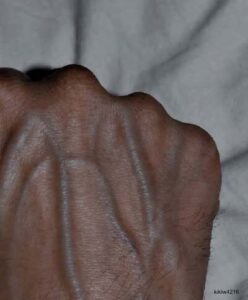
Visible Veins Explained: What Vascularity Really Says About the Body
Visible veins are one of the most widely misunderstood physical traits in fitness and everyday health. For some, they signal peak conditioning, discipline, and low body fat. For others, they are simply a natural genetic feature. In medical contexts, they can sometimes point toward circulatory changes, hydration status, or underlying vascular conditions. The reality is far more complex than appearance alone suggests.
Vascularity—the visibility of veins beneath the skin—is influenced by a wide combination of physiological, environmental, and genetic factors. These include body fat levels, muscle size, blood flow, skin thickness, temperature, hydration, hormones, age, and cardiovascular health. Understanding these variables helps separate fitness myths from actual biology.
How Visible Veins Actually Form
Veins become visible when they sit closer to the skin’s surface and when there is less tissue obscuring them. Two main mechanisms are involved:
First, reduced subcutaneous fat makes veins more visible. Fat acts as a natural layer of insulation and coverage beneath the skin. When this layer is thinner, veins naturally appear closer to the surface.
Second, increased blood flow causes veins to expand. During exercise, muscles demand more oxygen, triggering vasodilation—the widening of blood vessels. This temporarily increases vascular visibility.
These two factors often combine in athletic individuals, especially after training, producing the “pumped” look commonly seen in gyms.
Body Fat and Vascularity
Body fat percentage is one of the strongest predictors of vein visibility, but it is not the only one.
In general:
- Men often begin showing noticeable vascularity around 8–12% body fat.
- Women may show more visible veins around 15–20% body fat.
However, these are broad estimates, not fixed rules. Genetics plays a major role. Some people naturally store less fat in certain areas or have veins positioned closer to the surface. Others may remain lean but show minimal vascularity due to thicker skin or deeper vascular structure.
This is why two individuals with identical body composition can look completely different.
Muscle Mass and Physical Conditioning
Muscle size also strongly influences vascular appearance. As muscles grow through resistance training, they push veins closer to the skin. This mechanical effect increases visibility, especially in the arms, shoulders, chest, and legs.
Additionally, trained muscles demand more oxygen during exercise, increasing local blood flow and enhancing vascular expansion.
This is why bodybuilders and strength athletes often display pronounced vascularity—not only because of low body fat, but also because of increased muscle density and circulatory adaptation.
Cardiovascular Fitness and Circulation
Cardiovascular health plays a major role in how efficiently blood flows through the body. Regular aerobic exercise improves:
- Blood vessel elasticity
- Endothelial function
- Oxygen delivery efficiency
- Overall circulation
Well-conditioned circulatory systems respond more effectively to physical stress, making veins more prominent during activity and sometimes even at rest.
Endurance athletes such as runners, cyclists, and swimmers often display noticeable vascularity due to this combination of low fat, high activity levels, and strong cardiovascular adaptation.
Hydration and Temporary Changes in Vein Visibility
Hydration has a powerful short-term effect on vascular appearance.
When dehydrated:
- Skin appears tighter
- Subcutaneous water decreases
- Veins may appear more prominent
When well-hydrated or water-retentive:
- Skin appears fuller
- Veins may be less visible
This is why physique competitors sometimes manipulate water intake before competitions. However, dehydration is not a healthy or sustainable method of enhancing vascularity. It can impair performance, disrupt electrolyte balance, and strain the cardiovascular system.
Temperature and Blood Vessel Behavior
Temperature directly affects vascular visibility through vasodilation and vasoconstriction.
- Heat causes blood vessels to expand, making veins more visible.
- Cold causes blood vessels to constrict, making veins less visible.
This is a normal regulatory function that helps the body maintain internal temperature.
A hot shower, sauna, or intense workout often increases vein prominence temporarily, while cold environments reduce it.
The Role of Genetics
Genetics may be the single most important factor in vascular appearance.
Inherited traits influence:
- Skin thickness
- Vein placement depth
- Natural body fat distribution
- Baseline circulation patterns
Some individuals naturally display prominent forearm or hand veins regardless of fitness level. Others may never develop significant vascularity even at low body fat percentages.
This explains why vascularity cannot be reliably used as a universal measure of fitness.
Hormones and Biological Differences
Hormones also affect vascular appearance.
Testosterone supports:
- Increased muscle mass
- Lower body fat levels
- Greater vascular visibility in many men
Estrogen influences:
- Fat distribution patterns
- Fluid retention fluctuations
During pregnancy, increased blood volume and hormonal changes often make veins more visible in women. Similarly, menstrual cycles can temporarily affect vascularity due to fluid shifts.
Aging and Changing Vein Visibility
As the body ages, vascular visibility often increases naturally.
This happens due to:
- Thinning skin
- Loss of collagen and elasticity
- Reduced subcutaneous fat
As cushioning beneath the skin decreases, veins become more noticeable, especially in the hands, arms, and legs. In most cases, this is a normal part of aging rather than a medical concern.
Fitness Culture and the Vascularity Obsession
In modern fitness culture, visible veins are often associated with peak conditioning and discipline. Social media amplifies this perception by showcasing highly conditioned athletes under lighting designed to enhance vascular detail.
However, these appearances are often temporary and manipulated through:
- Carb depletion or loading
- Sodium manipulation
- “Pump” workouts
- Strategic lighting and posing
This can create unrealistic expectations for everyday gym-goers, who may equate vascularity with fitness success even though it is only one small aspect of physical condition.
Psychological Impact of Visible Veins
Vascularity can influence body image and motivation in complex ways.
Positive effects:
- Motivation from visible training progress
- Reinforcement of healthy habits
- Tangible signs of physical change
Negative effects:
- Body comparison issues
- Unrealistic aesthetic goals
- Obsession with low body fat extremes
The perception of vascularity often matters more psychologically than its actual health significance.
When Visible Veins May Signal Health Concerns
While often harmless, vascular changes can sometimes indicate medical issues.
Common conditions include:
- Varicose veins (enlarged, twisted surface veins)
- Spider veins (small, web-like veins)
- Chronic venous insufficiency (poor blood return from limbs)
More serious concerns include:
- Deep vein thrombosis (DVT), which may present with swelling, pain, and warmth
Sudden or painful changes in vein appearance should always be evaluated medically.
Other Medical and Lifestyle Influences
Certain conditions can also affect vascular visibility:
- Hyperthyroidism may increase circulation and vascular prominence
- Rapid weight loss can make veins more visible due to reduced fat
- Smoking damages blood vessels and circulation over time
These examples show that vascularity is not always linked to fitness—it can reflect underlying physiological changes.
Healthy Ways to Support Natural Vascularity
Sustainable vascularity is best achieved through overall health improvement rather than extreme manipulation.
Key factors include:
- Resistance training to build muscle
- Moderate fat loss through balanced nutrition
- Consistent cardiovascular exercise
- Adequate hydration
- Quality sleep and recovery
Nutrition also plays a role. Diets rich in whole foods support circulation and muscle function. Foods like beets, leafy greens, and citrus may support nitric oxide production, which helps blood vessels dilate naturally.
The Importance of Recovery and Balance
Overtraining or extreme dieting can negatively affect vascularity and overall health. Chronic stress increases water retention and inflammation, which can reduce vascular definition while harming long-term performance.
Proper recovery—including sleep, rest days, and stress management—is essential for maintaining both health and appearance.
Prevention and Circulatory Health
For general vein health:
- Avoid prolonged sitting or standing
- Stay active throughout the day
- Maintain a healthy body weight
- Elevate legs when needed
- Consider compression garments if prone to swelling
These habits support circulation regardless of aesthetic goals.
Why Vascularity Is Not a Perfect Health Marker
One of the most important takeaways is that visible veins are not a reliable indicator of health.
A highly vascular person may still have:
- Poor cardiovascular health
- Hormonal imbalance
- Nutritional deficiencies
Meanwhile, a less vascular person may have excellent fitness and strong cardiovascular function.
Appearance does not equal internal health.
Conclusion: Understanding the Full Picture
Visible veins represent the interaction of many biological systems—circulation, muscle development, fat distribution, genetics, hydration, and aging. They are neither inherently positive nor negative.
In fitness culture, they are often overemphasized as symbols of success. In reality, they are simply one small visual expression of deeper physiological processes.
True health is better measured through strength, endurance, mobility, energy levels, cardiovascular function, and long-term consistency in healthy habits.