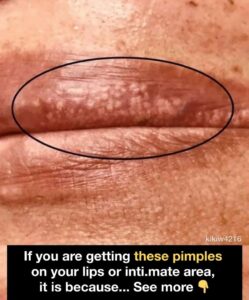
Discovering small pimple-like bumps on your lips or intimate areas can trigger immediate panic for many people. The moment these tiny white, yellow, or flesh-colored spots appear, countless frightening thoughts begin racing through the mind. People often worry they may have contracted an infection, developed a sexually transmitted disease, or caused irreversible damage to their skin through poor hygiene or unhealthy habits. In reality, however, one of the most common explanations for these mysterious bumps is something completely harmless and incredibly widespread known as Fordyce spots. Although millions of adults around the world have them, very few openly discuss the condition, causing unnecessary fear, shame, and confusion among those who suddenly notice them for the first time.
Fordyce spots are small visible sebaceous glands that appear on areas of thin skin such as the lips, inner cheeks, genital region, and sometimes even around the nipples. These glands produce sebum, the natural oil responsible for lubricating and protecting the skin. Normally, sebaceous glands are attached to hair follicles and remain hidden beneath the surface. In the case of Fordyce spots, however, the glands are positioned closer to the outer layer of the skin, making them visible as tiny raised bumps. Despite their somewhat alarming appearance, they are not dangerous, contagious, painful, or linked to poor cleanliness.
The condition was first formally identified by American dermatologist John Addison Fordyce during the late nineteenth century. Since then, dermatologists and medical researchers have consistently classified Fordyce spots as a normal anatomical variation rather than a disease. Studies estimate that between seventy and eighty percent of adults have these spots to some degree, though many individuals never notice them unless they become more prominent during hormonal changes or close skin examination.
One reason Fordyce spots create so much anxiety is because they often resemble more serious conditions at first glance. Their small clustered appearance can easily be mistaken for acne, cold sores, genital warts, allergic reactions, or sexually transmitted infections. Internet searches frequently make this fear worse because alarming images and worst-case medical scenarios dominate online discussions. Many people begin obsessively examining their skin, comparing symptoms, and imagining severe health problems long before receiving accurate medical information.
The emotional impact of this misunderstanding can be surprisingly intense. Some individuals become deeply self-conscious about their appearance, especially when the bumps appear around the lips or genital area. They may avoid close-up photographs, intimate relationships, or social interactions due to embarrassment and fear of judgment. Others spend large amounts of money trying ineffective creams, harsh exfoliants, or home remedies promoted online despite little scientific evidence supporting those treatments. In extreme cases, anxiety surrounding the bumps can affect confidence, dating experiences, and overall mental health.
Understanding the true biological reason behind Fordyce spots can provide enormous relief. During embryonic development, sebaceous glands form throughout the skin as part of the body’s natural protective system. In certain regions such as the lips and genital tissues, some of these glands develop independently from hair follicles. Because the skin in these areas is thinner and more delicate, the glands become visible beneath the surface as small pale bumps. This process is entirely natural and usually determined by genetics rather than lifestyle choices.
Hormones also play a major role in their visibility. During puberty, sebaceous glands become more active due to rising androgen levels. As oil production increases, Fordyce spots often become easier to see. This explains why many people first notice them during adolescence or early adulthood. Pregnancy, menopause, stress, and certain medications may also temporarily increase their prominence because hormonal fluctuations affect oil gland activity throughout the body.
Contrary to common myths, Fordyce spots are not caused by sexual activity, poor hygiene, shaving, dirty skin, or unhealthy eating habits. They are not infectious and cannot spread from person to person through contact, kissing, or intimacy. In fact, most people who have them inherited the tendency genetically and likely developed the glands long before ever noticing them visually. Recognizing this fact helps remove much of the shame associated with the condition.
The lips are among the most common places for Fordyce spots to appear because the vermilion border, the pinkish edge of the lips, contains thin skin with numerous sebaceous structures. Under bright lighting or skin stretching, these glands become particularly noticeable. Some individuals also observe them inside the cheeks or around the corners of the mouth. In intimate areas, Fordyce spots commonly appear on the scrotum, penile shaft, labia, or surrounding skin because these regions naturally contain specialized oil glands that help maintain moisture and skin protection.
Most Fordyce spots measure between one and three millimeters in size. They are usually painless, smooth, and consistent in appearance over time. Unlike pimples or acne lesions, they do not fill with pus or become inflamed unless irritated by excessive picking or aggressive treatments. Attempting to squeeze them often causes unnecessary redness, scarring, or infection while failing to remove the glands themselves.
Distinguishing Fordyce spots from other skin conditions is extremely important. Cold sores caused by the herpes simplex virus typically begin with burning, tingling, or itching sensations before developing painful fluid-filled blisters that eventually crust over. Genital warts linked to human papillomavirus tend to feel rougher and more irregular in texture. Acne lesions usually involve inflammation, clogged pores, redness, and tenderness. Fordyce spots differ because they remain stable, painless, and non-inflammatory in most cases.
Nevertheless, professional evaluation remains important if any unusual symptoms appear. Sudden growth, pain, bleeding, ulceration, itching, discharge, or significant color changes should always be assessed by a healthcare professional. While Fordyce spots themselves are harmless, other unrelated conditions can occasionally develop nearby and should not be ignored. Dermatologists can usually diagnose the spots quickly through visual examination, and biopsies are rarely necessary unless the diagnosis remains uncertain.
The widespread prevalence of Fordyce spots highlights how rarely natural skin variations are discussed openly. Society often promotes unrealistic beauty standards that encourage people to expect perfectly smooth, poreless skin everywhere on the body. As a result, normal anatomical features become sources of insecurity simply because they are absent from advertisements, edited photographs, and filtered social media images. Many individuals spend years believing they are alone in experiencing these bumps when in reality most adults have them to some degree.
Psychological distress related to appearance can become more damaging than the spots themselves. Constantly worrying about perceived imperfections may increase anxiety, reduce self-esteem, and create unnecessary emotional strain. Learning that Fordyce spots are considered medically normal often brings immediate relief because it reframes the issue from a feared disease into a harmless aspect of human anatomy.
Although treatment is not medically required, some people choose cosmetic procedures if the spots significantly affect confidence. Several professional options exist, though results vary depending on skin type, gland density, and treatment method. Laser therapies such as carbon dioxide lasers and pulsed dye lasers can reduce visibility by targeting sebaceous tissue with precision. Electrosurgery and micro-punch techniques may also remove selected glands. However, these procedures should only be performed by qualified dermatologists because sensitive areas like the lips and genitals carry risks of scarring, pigmentation changes, and irritation.
Topical retinoids are sometimes prescribed to reduce the appearance of Fordyce spots gradually by increasing skin cell turnover and regulating sebaceous activity. However, these medications may cause dryness and irritation, especially on delicate skin. Over-the-counter creams marketed as miracle cures are generally ineffective and occasionally dangerous. Home remedies involving lemon juice, toothpaste, vinegar, needles, or abrasive scrubs can damage the skin barrier and should be avoided entirely.
Maintaining gentle skincare habits is often the safest approach. Using mild cleansers, avoiding harsh exfoliation, staying hydrated, and protecting the lips from excessive sun exposure may help minimize irritation and improve overall skin appearance. For intimate areas, breathable clothing and proper hygiene support skin health without attempting to “eliminate” naturally occurring glands.
Stress management may also indirectly influence how noticeable the spots appear. Chronic stress affects hormone balance, oil production, immune responses, and skin sensitivity. Many individuals report that Fordyce spots appear more prominent during periods of anxiety, fatigue, or emotional strain. While stress does not cause the condition itself, improving sleep, relaxation, and emotional well-being may help reduce skin irritation and obsessive focus on minor imperfections.
Smoking and certain medications can also affect sebaceous gland activity. Tobacco use contributes to skin inflammation, reduced healing capacity, and changes in oil production that may make the spots more visible over time. Some medications influencing hormones or skin oils can produce similar effects. Discussing concerns with healthcare providers allows individuals to understand whether treatments or lifestyle adjustments could help.
Education remains one of the most powerful tools for reducing fear surrounding Fordyce spots. Unfortunately, many school health programs and public discussions focus heavily on infectious skin diseases while rarely mentioning harmless anatomical variations. This gap in awareness leaves people vulnerable to misinformation and unnecessary panic when they encounter normal body features unexpectedly. Encouraging open conversations about common skin conditions helps reduce stigma and supports healthier attitudes toward natural body diversity.
Partners and family members can also play an important role in reducing anxiety. Honest communication and reassurance often help individuals overcome embarrassment and avoid harmful self-treatment behaviors. Understanding that these spots are neither contagious nor dangerous promotes healthier relationships and reduces fear during intimacy.
Medical experts consistently emphasize that Fordyce spots are one of the most common benign skin findings observed in dermatology clinics worldwide. Their presence says nothing negative about a person’s health, hygiene, attractiveness, or sexual history. They simply represent visible sebaceous glands functioning normally in areas where the skin allows them to be seen more easily.
The human body contains countless small variations that differ from one individual to another. Freckles, birthmarks, visible veins, skin texture differences, and Fordyce spots are all examples of natural diversity rather than defects. Modern culture often encourages perfectionism that ignores biological reality, making people hyperaware of harmless details that previous generations might never have questioned.
Ultimately, discovering small bumps on the lips or intimate areas does not automatically mean something is wrong. In many cases, the explanation is entirely harmless and medically insignificant. Recognizing the signs of Fordyce spots can spare individuals from unnecessary fear, expensive treatments, and emotional distress. At the same time, staying informed about warning signs that truly require medical attention ensures responsible self-care without falling into panic.
Knowledge transforms fear into understanding. Once people learn the science behind these tiny bumps, they often realize that the condition they once viewed as embarrassing or alarming is actually one of the most common and normal features of adult skin. Instead of hiding in shame or obsessively searching for cures, individuals can focus on maintaining healthy skin, balanced mental well-being, and realistic expectations about the natural diversity of the human body.
The next time someone notices tiny white or yellow bumps on their lips or intimate areas, they should remember that they are far from alone.