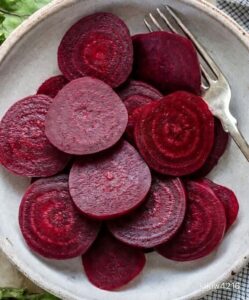
The Beetroot Upgrade: How Eating Beets Transforms Your Body
Beets have moved from being a humble root vegetable to one of the most scientifically studied foods in modern nutrition. Not because of trends or marketing, but because of a unique internal chemistry that directly influences circulation, energy production, and overall metabolic efficiency.
At the center of their benefits is one key mechanism: dietary nitrates.
How Beets Improve Blood Flow Through Nitric Oxide
Beets are especially rich in natural nitrates. Once consumed, these nitrates undergo a fascinating biological transformation:
- Nitrates are absorbed into the bloodstream
- They are concentrated in saliva
- Oral bacteria convert them into nitrites
- In the stomach and blood, nitrites become nitric oxide
This final compound—nitric oxide—is critical.
It acts as a vasodilator, meaning it relaxes and widens blood vessels. When blood vessels expand, circulation improves throughout the body.
The result is:
- Lower vascular resistance
- Improved oxygen delivery
- Reduced strain on the heart
- Better overall blood flow
This is why cardiologists often highlight beetroot as a natural dietary support for cardiovascular health.
Blood Pressure and Heart Health Benefits
Because nitric oxide relaxes blood vessels, beet consumption can lead to modest reductions in blood pressure.
Research has shown that regular intake may help:
- Lower systolic blood pressure
- Improve endothelial function (the lining of blood vessels)
- Support arterial flexibility
This does not replace medication, but it can complement a heart-healthy lifestyle when used consistently as part of a balanced diet.
Beets and Physical Performance
Athletes were among the first to seriously study beetroot juice.
Why? Because improved oxygen delivery means improved endurance.
When nitric oxide enhances circulation, muscles receive:
- More oxygen
- More nutrients
- More efficient energy utilization
This can result in:
- Longer time to exhaustion
- Improved stamina
- Reduced perceived effort during exercise
Cyclists, runners, and endurance athletes often consume beets before training sessions for this reason.
Energy Production at the Cellular Level
Beyond circulation, beets influence how cells generate energy.
Nitric oxide improves mitochondrial efficiency—the “power plants” inside cells.
This leads to:
- More efficient ATP production
- Reduced oxygen waste during energy creation
- Improved endurance during physical activity
In simpler terms: the body produces energy more effectively with less effort.
Digestive Health and Fiber Benefits
Beets are also rich in dietary fiber, both soluble and insoluble.
Soluble fiber:
- Slows digestion
- Stabilizes blood sugar
- Helps regulate cholesterol absorption
Insoluble fiber:
- Supports bowel regularity
- Promotes healthy digestion
- Reduces constipation
Together, they contribute to a more stable digestive system and smoother metabolic function.
Blood Sugar and Metabolic Stability
Despite their natural sweetness, beets have a moderating effect on blood sugar due to fiber content.
Benefits include:
- Slower glucose absorption
- Reduced sugar spikes after meals
- Improved insulin response over time
This makes beets a supportive food for metabolic balance when eaten as part of whole meals rather than as concentrated juice alone.
Gut Microbiome Support
Fiber in beets also feeds beneficial gut bacteria.
A healthy microbiome is linked to:
- Better digestion
- Stronger immune function
- Improved mood regulation via the gut-brain axis
As gut bacteria ferment beet fiber, they produce compounds that further support intestinal health.
Anti-Inflammatory and Antioxidant Power
The deep red color of beets comes from compounds called betalains.
These act as:
- Antioxidants (neutralizing free radicals)
- Anti-inflammatory agents (reducing internal inflammation)
Potential benefits include:
- Reduced oxidative stress
- Support for liver detoxification pathways
- Protection of blood vessels and brain tissue
While not a cure for disease, these compounds contribute to long-term cellular protection.
Nutrient Density: Vitamins and Minerals
Beets are not just about nitrates—they are nutrient-rich.
They contain:
- Folate (important for DNA and cell growth)
- Potassium (supports blood pressure regulation)
- Manganese (supports metabolism and bone health)
- Iron (supports oxygen transport)
These nutrients work together to support:
- Energy metabolism
- Red blood cell formation
- Nervous system function
Cognitive and Brain Health Support
Improved blood flow also benefits the brain.
Enhanced circulation may support:
- Mental clarity
- Focus and attention
- Reduced cognitive fatigue
This is particularly relevant for older adults, where vascular health plays a major role in cognitive function.
Important Limitations and Safety Considerations
Despite their benefits, beets are not a miracle food.
Doctors emphasize moderation.
Possible considerations:
- Beeturia: harmless red discoloration of urine or stool
- Oxalates: may contribute to kidney stones in sensitive individuals
- Blood pressure interaction: may enhance effects of BP medication
- Digestive sensitivity: fiber may cause temporary bloating
Beets are best viewed as part of a balanced diet—not a standalone treatment.
Whole Beets vs Beet Juice
There is an important difference:
Whole beets:
- High fiber
- Slower sugar absorption
- More balanced metabolic effect
Beet juice:
- Concentrated nitrates
- Faster absorption
- Higher sugar impact
- Lower fiber content
For everyday health, whole beets are generally more balanced.
How to Eat Beets for Maximum Benefit
Beets are highly versatile and can be prepared in many ways:
- Roasted for sweetness and flavor
- Steamed for nutrient retention
- Raw in salads for fiber and crunch
- Blended into smoothies for convenience
- Pickled for digestion support
Pairing with healthy fats or proteins enhances nutrient absorption and balance.
Long-Term Effects of Regular Consumption
When included consistently in the diet, beets may contribute to:
- More stable energy levels
- Improved exercise performance
- Better blood pressure regulation
- Enhanced digestive function
- Reduced low-grade inflammation
These effects build gradually over time rather than appearing immediately.
Final Takeaway
Beets are not a fad superfood—they are a scientifically supported vegetable with measurable effects on circulation, metabolism, and cellular energy.
Their power comes from a simple but elegant biological pathway: nitrates converting into nitric oxide, improving how the body moves blood and oxygen.
When consumed regularly as part of a varied, whole-food diet, beets offer a quiet but meaningful upgrade to cardiovascular health, energy, and overall wellness.
Not a miracle. Not a shortcut. Just consistent nutritional support from a deeply functional food that works with the body’s natural systems rather than against them.