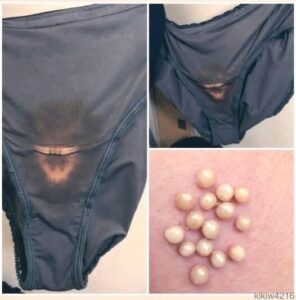
For many women, noticing lightened or “bleached” patches in underwear can be confusing at first. The marks often appear on darker fabrics in the crotch area and may resemble chemical discoloration. Because the phenomenon is rarely discussed openly, it can easily be misinterpreted as a hygiene issue or even a sign of a medical problem.
In reality, medical experts explain that in most cases, this is a completely normal and harmless result of the body’s natural chemistry. It is not a sign of poor hygiene, infection, or imbalance. Instead, it often reflects a healthy and functioning reproductive system.
At the center of this explanation is the natural environment of the vagina and its carefully regulated pH balance.
The Science Behind the Phenomenon
A healthy vagina maintains a slightly acidic pH, typically ranging between 3.8 and 4.5. This acidity is not accidental—it plays a vital protective role. It helps prevent harmful bacteria from growing while supporting beneficial microorganisms, especially lactobacilli.
These beneficial bacteria help maintain balance by producing lactic acid and small amounts of hydrogen peroxide. Together, these substances create a protective environment that reduces the risk of infections and keeps the vaginal microbiome stable.
However, this same mild acidity can interact with fabric dyes over time.
When natural vaginal discharge—an entirely normal bodily function—comes into contact with underwear, particularly darker or lower-quality dyed fabrics, the acidity can gradually break down the dye. This process leads to lighter patches or “bleached” areas in the fabric.
In simple terms, what protects the body internally can also gently affect clothing externally.
A Normal Sign of a Healthy System
Contrary to common concern, these marks are not a warning sign. In many cases, they are simply a visible trace of a healthy internal environment functioning as intended.
A balanced vaginal microbiome is essential for reproductive and overall health. It helps reduce the risk of common conditions such as bacterial vaginosis and yeast infections. When the system is stable and acidic enough to suppress harmful bacteria, it is generally considered a sign of good intimate health.
However, healthcare professionals also emphasize that this observation alone should never be used as a diagnostic tool. The presence of fabric discoloration by itself does not confirm health status. It must always be understood in context.
If there are no symptoms such as odor, itching, irritation, pain, or unusual discharge, then the bleaching effect is typically considered normal and harmless.
Why It Happens to Some Women More Than Others
Not every woman notices this phenomenon, and the intensity can vary significantly. Several natural factors influence it:
Hormonal fluctuations are one of the most important. Estrogen levels affect vaginal secretions, and changes during ovulation, menstruation cycles, pregnancy, or menopause can alter both the amount and composition of discharge.
Fabric choice also plays a role. Cotton and other breathable materials interact differently with moisture and acidity compared to synthetic fabrics. Dark dyes, especially lower-quality ones, are more likely to show visible changes.
Lifestyle factors such as hydration, stress, diet, and overall health can also influence the body’s natural secretions, although these effects are usually subtle.
Even age can contribute. Younger individuals with active hormonal cycles may notice the effect more frequently, while postmenopausal individuals may experience it differently depending on hormonal changes or treatments.
The Role of Beneficial Bacteria
A key part of this explanation lies in the vaginal microbiome—the community of microorganisms that naturally live in the vaginal environment.
Among these, lactobacilli are especially important. They help maintain acidity and produce protective compounds that defend against harmful microbes. This biological system is highly efficient and self-regulating.
The same substances that support this protective balance are also responsible for the mild chemical interaction that can lead to fabric discoloration.
This is why many healthcare professionals view the phenomenon not as a flaw or irregularity, but as a side effect of a healthy system doing its job.
Breaking Long-Standing Misconceptions
Despite its normality, this topic has often been surrounded by silence and misunderstanding. Many women first notice these marks without any prior knowledge of why they occur, which can lead to unnecessary worry or embarrassment.
Because reproductive health is still stigmatized in many cultures, natural processes are not always openly discussed. This lack of information creates space for misconceptions to grow.
Some may mistakenly associate the staining with poor hygiene, infection, or improper care. In reality, these assumptions are not supported by medical evidence.
Increased education and open discussion are gradually helping to change this. As awareness spreads, more people are learning that these changes are normal biological outcomes rather than signs of a problem.
When to Pay Attention to Symptoms
While the bleaching effect itself is typically harmless, healthcare professionals emphasize the importance of recognizing when other symptoms may indicate a medical issue.
Attention should be given if there is:
Persistent itching or irritation
Strong or unusual odor
Pain or discomfort
Discharge that is green, gray, or unusually thick
These symptoms may suggest infections or other conditions that require medical evaluation.
The key distinction is that healthy discharge associated with normal vaginal function is usually mild, clear or white, and does not cause discomfort.
Supporting Comfort and Practical Management
Although there is no need to “treat” or eliminate this natural occurrence, some women choose practical ways to manage its visibility.
Choosing darker or patterned underwear can help reduce visible staining. Opting for higher-quality, colorfast fabrics may also make a difference. Breathable materials like cotton are often recommended for overall intimate health, even if they show discoloration more easily.
It is important, however, not to prioritize appearance over comfort or health. Strong chemical detergents or harsh cleaning methods should be avoided, as they can irritate the skin and disrupt the natural balance of the area.
A Broader Shift Toward Understanding
This topic reflects a larger movement toward openness in discussions about reproductive and intimate health. For many years, such subjects were considered private or uncomfortable to talk about. As a result, many women grew up without clear explanations for normal bodily functions.
Today, increased access to medical information is helping to change that. Education plays a key role in reducing anxiety, improving self-awareness, and encouraging healthy communication between patients and healthcare providers.
When people understand what is happening in their bodies, they are less likely to experience unnecessary fear or shame.
The Body’s Natural Balance
The vaginal ecosystem is a remarkable example of the body’s self-regulating systems. It continuously works to maintain balance, protect against infection, and adapt to internal and external changes.
The mild interaction between vaginal acidity and fabric dye is simply a visible side effect of this ongoing process. It is not a malfunction, but a byproduct of protection.
Rather than something to correct, it is something to understand.
Final Perspective
What was once a confusing and private concern is now increasingly recognized as a normal biological occurrence. The appearance of bleach-like stains in underwear does not indicate poor hygiene or illness. Instead, it often reflects a healthy and active protective system within the body.
As awareness continues to grow, so too does confidence and comfort. More women are learning that their bodies are not failing them—they are functioning exactly as intended.
And in that understanding lies something important: reassurance.
A reminder that many of the things once considered strange or worrying are simply part of the body’s quiet, constant effort to maintain health and balance every day.