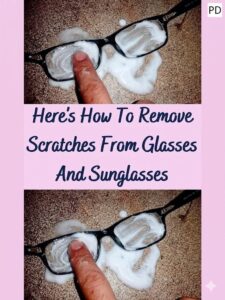
Scratched eyeglasses are one of those small but deeply frustrating problems that can affect daily life far more than expected. Even a faint scratch can scatter light, increase glare at night, and constantly pull your attention away from what you are trying to see. Because glasses are essential for reading, driving, working, and interacting with the world, many people immediately search for quick DIY fixes online.
However, there is an important reality that often gets overlooked:
Most scratches on eyeglass lenses cannot truly be repaired at home.
At best, some methods may slightly reduce visibility or temporarily mask imperfections. At worst, they can permanently damage protective coatings and worsen optical clarity.
Understanding what is realistically possible helps prevent costly mistakes and supports better long-term eye care decisions.
The Reality of Scratched Lenses
Modern eyeglass lenses are not simple pieces of plastic or glass. They are engineered systems made of multiple layers, including:
- Scratch-resistant coatings
- Anti-reflective coatings
- UV protection layers
- Blue-light filters
- Hydrophobic or smudge-resistant coatings
When a scratch appears, it is often damage to one or more of these surface layers—not just the lens itself.
This is why most DIY methods cannot fully “remove” scratches. Instead, they either:
- Lightly polish surrounding areas
- Fill tiny grooves temporarily
- Or remove coatings entirely (which creates more damage)
With that in mind, here are the most commonly discussed home approaches, along with their limitations.
1. Baking Soda Paste (Very Limited Use Only)
Baking soda is mildly abrasive and sometimes used for polishing extremely fine surface marks on uncoated lenses.
How It Works
It smooths microscopic unevenness around a scratch, which may make it slightly less visible.
Important Reality Check
This method does not repair the scratch. It simply alters how light reflects off the surface.
Risks
- Can damage anti-reflective coatings
- May create hazy patches
- Can permanently reduce optical clarity
Best Case Use
Only for very old, uncoated backup glasses—not daily prescription lenses.
2. Non-Gel Toothpaste (High Risk of Damage)
Toothpaste is often suggested because it contains mild polishing agents. However, many formulas today are too abrasive for optical lenses.
If Attempted, It Must Be:
- Plain white paste
- Non-whitening
- Non-gel
- Free of abrasive crystals
Method Overview
A tiny amount is gently rubbed on the lens with a microfiber cloth and then rinsed thoroughly.
Risks
- Can strip protective coatings
- May create uneven blur or haze
- Often worsens optical quality over time
Practical Advice
This should be considered a last-resort experiment on inexpensive or disposable lenses only.
3. Car Wax or Scratch Fillers (Temporary Optical Masking)
Some people use car wax or commercial scratch-filling products designed to reduce visible imperfections.
How It Works
These products fill microscopic grooves, helping light reflect more evenly across the lens.
Potential Benefits
- May reduce glare temporarily
- Can improve appearance of very fine scratches
Limitations
- Temporary effect only
- May leave residue or streaks
- Can interfere with lens coatings
Best Use Case
Occasional use on sunglasses or backup eyewear—not primary prescription lenses.
4. Metal Polishes Like Brasso (Strongly Discouraged)
Metal polishes are sometimes mentioned online as “quick fixes,” but they are not designed for optical materials.
Why This Is Unsafe
These products are highly abrasive and can:
- Strip coatings completely
- Permanently cloud lenses
- Create uneven optical distortion
- Damage plastic lenses beyond repair
Bottom Line
This method is considered unsafe for all eyeglasses.
Understanding Why DIY Repair Is So Limited
The main challenge is that scratches are not just surface marks—they often involve multiple protective layers.
When you attempt to “remove” a scratch, you are not restoring material. You are:
- Polishing surrounding areas
- Removing parts of coatings
- Altering how light travels through the lens
This is why many opticians emphasize a simple truth:
If a scratch affects your vision, replacement is usually the safest solution.
When You Should Replace Your Lenses
Professional replacement is strongly recommended if:
- The scratch is in your direct line of sight
- You experience glare while driving at night
- You notice eye strain or headaches
- Lens coatings are peeling or damaged
- Scratches are deep or widespread
Many vision plans cover lens replacement periodically, and replacing lenses alone (without changing frames) is often more affordable than expected.
Clear vision directly impacts:
- Driving safety
- Work performance
- Reading comfort
- Eye fatigue levels
- Long-term visual health
Prevention Is the Most Effective Strategy
Since true scratch repair is limited, prevention is far more important than correction.
Good Habits Include:
- Always storing glasses in a hard case
- Cleaning only with microfiber cloths
- Using proper lens cleaner or mild soap with water
- Placing glasses lens-side up when resting
Avoid These Common Mistakes:
- Paper towels or tissues
- Clothing fabric
- Window cleaners or ammonia sprays
- Dirty or dry wiping of lenses
These materials often cause micro-scratches over time that build up gradually.
Additional Protection Tips:
- Choose scratch-resistant coatings when purchasing lenses
- Keep a backup pair for rough environments
- Avoid leaving glasses in hot cars
Small habits significantly extend lens life.
A Realistic Way to Think About Scratches
It is natural to want a quick fix for scratched glasses, especially when replacement feels inconvenient or costly. However, it helps to separate cosmetic concerns from functional vision quality.
- Minor scratches outside your vision zone may be tolerable
- Deep or central scratches often reduce visual comfort significantly
- DIY solutions rarely restore original optical clarity
Sometimes the most practical decision is early replacement rather than prolonged frustration with reduced vision quality.
Final Perspective
Your glasses are not just accessories—they are precision tools that directly affect how you experience the world.
A faint scratch on an old backup pair may be something you can live with. But scratches that interfere with clarity, increase glare, or strain your eyes deserve more serious attention.
DIY methods may offer temporary cosmetic improvement, but they cannot restore full optical performance.
Protecting your eyesight is ultimately more important than preserving a damaged lens.
Clear vision is not a luxury—it is daily comfort, safety, and quality of life.
And sometimes, the most responsible choice is simple:
Replace the lens, restore clarity, and see the world as it is meant to be seen.