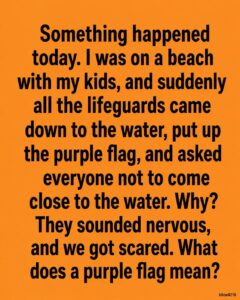
Purple flag alerts are an important part of beach safety systems used around the world to inform visitors about the presence of potentially hazardous marine life in nearby waters. While many beachgoers are familiar with warning flags that indicate dangerous surf conditions, strong currents, or restricted swimming areas, the purple flag serves a unique purpose. It alerts swimmers, surfers, and other ocean users to marine creatures that could pose a risk if encountered. These creatures may include jellyfish, stingrays, sea lice, venomous fish, or other wildlife capable of causing injury or discomfort.
The ocean is a dynamic environment that constantly changes due to tides, weather patterns, water temperatures, and seasonal migrations. As a result, marine animals often move closer to shore for feeding, breeding, or shelter. Beach visitors may not be able to see these creatures from the shoreline, making warning systems especially valuable. The purple flag provides a simple and effective method of communicating important information quickly to large numbers of people.
Understanding the meaning of the purple flag can help visitors make informed decisions while enjoying coastal environments. Rather than creating fear, the flag promotes awareness and encourages responsible behavior. By learning how these alerts work and what precautions to take, beachgoers can reduce risks while continuing to enjoy recreational activities safely.
What Is a Purple Flag Alert?
A purple flag alert is a beach warning that indicates the presence of dangerous or potentially harmful marine life in the water. Unlike flags that warn of environmental conditions such as rough waves or rip currents, the purple flag specifically focuses on living organisms that may pose hazards to swimmers and waders.
The alert does not necessarily mean the water is closed or that swimming is prohibited. Instead, it serves as a cautionary notice. Visitors are encouraged to exercise additional care, pay attention to their surroundings, and follow guidance provided by lifeguards or beach management authorities.
Purple flags are commonly used in coastal areas where marine life encounters occur regularly. The exact species responsible for the alert may vary depending on geographic location and seasonal conditions. In some cases, beach authorities may provide additional information through signs, announcements, or direct communication with visitors.
The primary purpose of the purple flag is prevention. By informing people about conditions that may not be immediately visible, the warning system helps reduce injuries and promotes safer interactions between humans and marine ecosystems.
Marine Life Commonly Associated With Purple Flag Warnings
Many different marine organisms can trigger a purple flag alert. The species involved often depend on regional ocean conditions and local wildlife populations.
Jellyfish
Jellyfish are among the most common reasons for purple flag warnings. Certain species possess stinging tentacles that can cause pain, skin irritation, redness, and allergic reactions. During periods of increased jellyfish activity, large numbers may drift close to shore due to currents and wind patterns.
While most jellyfish stings are relatively mild, some species can cause significant discomfort or medical complications. Beach visitors are advised to avoid touching jellyfish, even if they appear dead on the sand, because their stinging cells may remain active.
Stingrays
Stingrays frequently inhabit shallow coastal waters where they rest partially buried beneath the sand. Accidental encounters often occur when swimmers step on them unexpectedly. In response, a stingray may use its tail spine as a defensive mechanism.
To reduce the risk of injury, experts commonly recommend the “stingray shuffle,” a technique involving dragging or shuffling feet along the seabed rather than taking normal steps. This movement alerts stingrays and encourages them to swim away before contact occurs.
Sea Lice
Sea lice are tiny marine organisms that can cause skin irritation and rashes when trapped beneath swimwear. Although generally not dangerous, their presence can lead to discomfort and unpleasant symptoms for beach visitors.
Purple flag alerts may be issued when concentrations of sea lice become significant enough to affect recreational water users.
Venomous Fish
Certain coastal regions are home to venomous fish species capable of causing painful stings. Examples include lionfish, stonefish, and catfish species found in various parts of the world. These fish often rely on camouflage, making accidental contact more likely.
Warning flags help inform visitors about their presence and encourage caution in areas where encounters may occur.
Other Marine Creatures
Purple flag warnings may also be issued for other marine organisms, including Portuguese man o’ war, sea urchins, harmful algae-related marine hazards, or unusually large concentrations of wildlife that could increase the likelihood of injury.
The specific reason for the alert often depends on local observations and environmental conditions.
How Lifeguards Determine When to Raise a Purple Flag
Lifeguards and beach management teams use multiple methods to monitor marine conditions and determine when warnings should be issued. Their decisions are based on observations, environmental data, and reports from visitors or marine experts.
Routine beach patrols allow lifeguards to identify wildlife activity near swimming areas. They may observe jellyfish drifting near shore, stingrays gathering in shallow water, or other organisms known to pose risks.
In addition, environmental factors such as tides, currents, water temperature, and wind direction are closely monitored. These conditions can influence the movement and concentration of marine life. Sudden changes in weather may bring certain species closer to beaches, increasing the need for public warnings.
Communication among neighboring beaches also plays an important role. If one location reports unusual marine activity, nearby areas may prepare for similar conditions. This coordinated approach helps ensure public safety across larger stretches of coastline.
Once sufficient evidence suggests an elevated risk, the purple flag is raised to inform visitors and encourage appropriate precautions.
Why Purple Flag Alerts Matter
The importance of purple flag alerts extends beyond simple warnings. These alerts contribute significantly to public safety, education, and environmental awareness.
First, they help reduce preventable injuries. Many marine life encounters occur because individuals are unaware of potential hazards. Providing advance notice allows people to take simple protective measures before entering the water.
Second, the alerts support effective communication. Beaches often attract large crowds, and warning flags offer a clear visual system that can be understood quickly regardless of language barriers. Visitors can recognize the alert immediately and seek additional information if needed.
Third, purple flags encourage respect for marine ecosystems. The presence of wildlife is a natural part of healthy ocean environments. Rather than promoting fear, these warnings help people coexist responsibly with marine creatures.
Finally, the system reinforces the role of lifeguards as public safety professionals. Their monitoring efforts provide valuable information that helps visitors make informed decisions throughout the day.
Common Misconceptions About Purple Flags
Many people misunderstand the purpose of purple flag alerts. Clarifying these misconceptions can improve public understanding and reduce unnecessary concern.
One common misconception is that a purple flag means the beach is closed. In reality, swimming is often still permitted unless additional hazards exist. The flag simply indicates the need for increased awareness.
Another misconception is that the warning signals the presence of highly dangerous predators. In most cases, the alert relates to smaller marine creatures such as jellyfish or stingrays rather than large predatory animals.
Some visitors also assume that a purple flag guarantees they will encounter marine life. The alert only indicates that potentially hazardous organisms have been observed nearby or conditions favor their presence. Actual encounters may remain relatively uncommon.
Additionally, some people believe marine life warnings are exaggerated. However, even minor injuries can disrupt beach activities and occasionally require medical attention. The warning system exists to prevent avoidable incidents and improve overall safety.
Safety Tips During a Purple Flag Alert
When a purple flag is flying, beach visitors can take several practical steps to minimize risk while continuing to enjoy the water.
Always observe posted signs and review any available information regarding the specific marine hazard. Understanding the nature of the warning helps individuals make appropriate decisions.
Speak with lifeguards if additional clarification is needed. They can explain current conditions, identify affected areas, and provide recommendations based on recent observations.
Wear protective swimwear when appropriate. Rash guards, water shoes, and other protective clothing may reduce exposure to stinging organisms or sharp marine hazards.
Avoid touching unfamiliar marine animals, whether they are in the water or washed ashore. Even apparently harmless creatures may possess defensive mechanisms capable of causing injury.
Practice the stingray shuffle when walking through shallow coastal waters. This simple technique can significantly reduce accidental stingray encounters.
Pay close attention to children. Young swimmers may not recognize marine hazards or understand warning systems. Active supervision is essential.
After leaving the water, check for signs of irritation, stings, or injuries. Early treatment often reduces discomfort and prevents complications.
The Role of Education in Beach Safety
Education plays a crucial role in maximizing the effectiveness of purple flag alerts. A warning system can only succeed if visitors understand its meaning and know how to respond appropriately.
Many coastal communities conduct public education campaigns that explain beach flag systems through signs, brochures, websites, and community outreach programs. These efforts help visitors become familiar with warning symbols before emergencies occur.
Schools and environmental organizations also contribute by teaching ocean safety and marine ecology. Understanding the behavior of marine animals promotes both safety and appreciation for coastal ecosystems.
Educational programs often emphasize that marine creatures are not intentionally aggressive toward humans. Most incidents occur when animals feel threatened or are accidentally disturbed. Learning this distinction encourages responsible behavior rather than fear.
Tourists benefit particularly from educational initiatives because they may be unfamiliar with local conditions and wildlife. Clear explanations help ensure all visitors can enjoy beaches safely regardless of their prior experience.
Balancing Recreation and Conservation
Purple flag alerts illustrate the balance between recreational enjoyment and environmental stewardship. Beaches serve as popular destinations for swimming, surfing, fishing, and relaxation, yet they are also important habitats for diverse marine species.
Responsible coastal management seeks to protect both human visitors and marine ecosystems. Warning systems allow people to enjoy natural environments while minimizing risks to themselves and wildlife.
Rather than removing or disturbing marine animals, authorities generally focus on informing the public and encouraging safe practices. This approach supports conservation goals while preserving recreational opportunities.
Respecting wildlife contributes to healthier ecosystems and more sustainable tourism. Visitors who understand marine hazards are less likely to engage in behaviors that harm animals or disrupt natural habitats.
The purple flag therefore represents more than a safety measure; it reflects a broader commitment to coexistence between humans and the natural world.
Responding to Marine Life Injuries
Despite preventive measures, marine life encounters can still occur. Knowing how to respond appropriately is an important aspect of beach safety.
If a jellyfish sting occurs, individuals should seek assistance from lifeguards or medical personnel. Recommended treatments vary depending on the species involved and local guidelines.
For stingray injuries, prompt medical evaluation is often advisable. While many injuries are manageable, professional assessment helps reduce the risk of infection and other complications.
Any severe allergic reaction, difficulty breathing, chest pain, or significant swelling requires immediate emergency medical attention. Quick action can be critical in serious cases.
Beach visitors should avoid relying on myths or unverified remedies. Lifeguards and healthcare professionals are the most reliable sources of treatment guidance.
Preparedness and awareness significantly improve outcomes when incidents occur.
The Future of Marine Hazard Monitoring
Advances in technology continue to improve the monitoring and management of marine hazards. Modern coastal authorities increasingly use drones, environmental sensors, satellite data, and digital reporting systems to track changing ocean conditions.
These tools provide valuable information about wildlife movements and environmental factors that influence marine activity. Enhanced monitoring allows lifeguards to issue warnings more accurately and respond more effectively to emerging risks.
Mobile applications and online beach condition reports are also becoming more common. Visitors can access real-time updates before traveling to the beach, helping them plan activities more safely.
As technology evolves, warning systems may become even more precise and informative. However, public awareness and personal responsibility will remain essential components of beach safety.
Conclusion
Purple flag alerts are a valuable tool for protecting beach visitors from potentially hazardous marine life while promoting responsible enjoyment of coastal environments. By warning swimmers about the presence of jellyfish, stingrays, sea lice, venomous fish, and other marine organisms, these alerts help reduce injuries and encourage informed decision-making.
The flag does not necessarily indicate danger severe enough to close the beach. Instead, it serves as a reminder that nature is active, dynamic, and deserving of respect. Lifeguards, environmental professionals, and coastal authorities work together to monitor conditions and provide timely information that helps keep visitors safe.
Understanding the meaning of the purple flag empowers beachgoers to take practical precautions, supervise children effectively, follow expert guidance, and appreciate marine ecosystems responsibly. Through education, awareness, and cooperation, people can continue to enjoy the beauty of the ocean while minimizing unnecessary risks. Ultimately, the purple flag represents a simple yet powerful commitment to safety, environmental stewardship, and positive experiences along the world’s shorelines.